CSIR launches Africa’s first microencapsulation facility to boost local health, cosmetic innovation
Local manufacturers now less reliant on similar but costly overseas facilities
The Council for Scientific and Industrial Research (CSIR) has launched a new facility in Pretoria that will, for the first time, help local manufacturers develop their own microencapsulation technologies on home soil. Microencapsulation is a way of protecting sensitive components in health and cosmetic products, such as probiotics and essential oils, thereby improving shelf-life and efficacy.
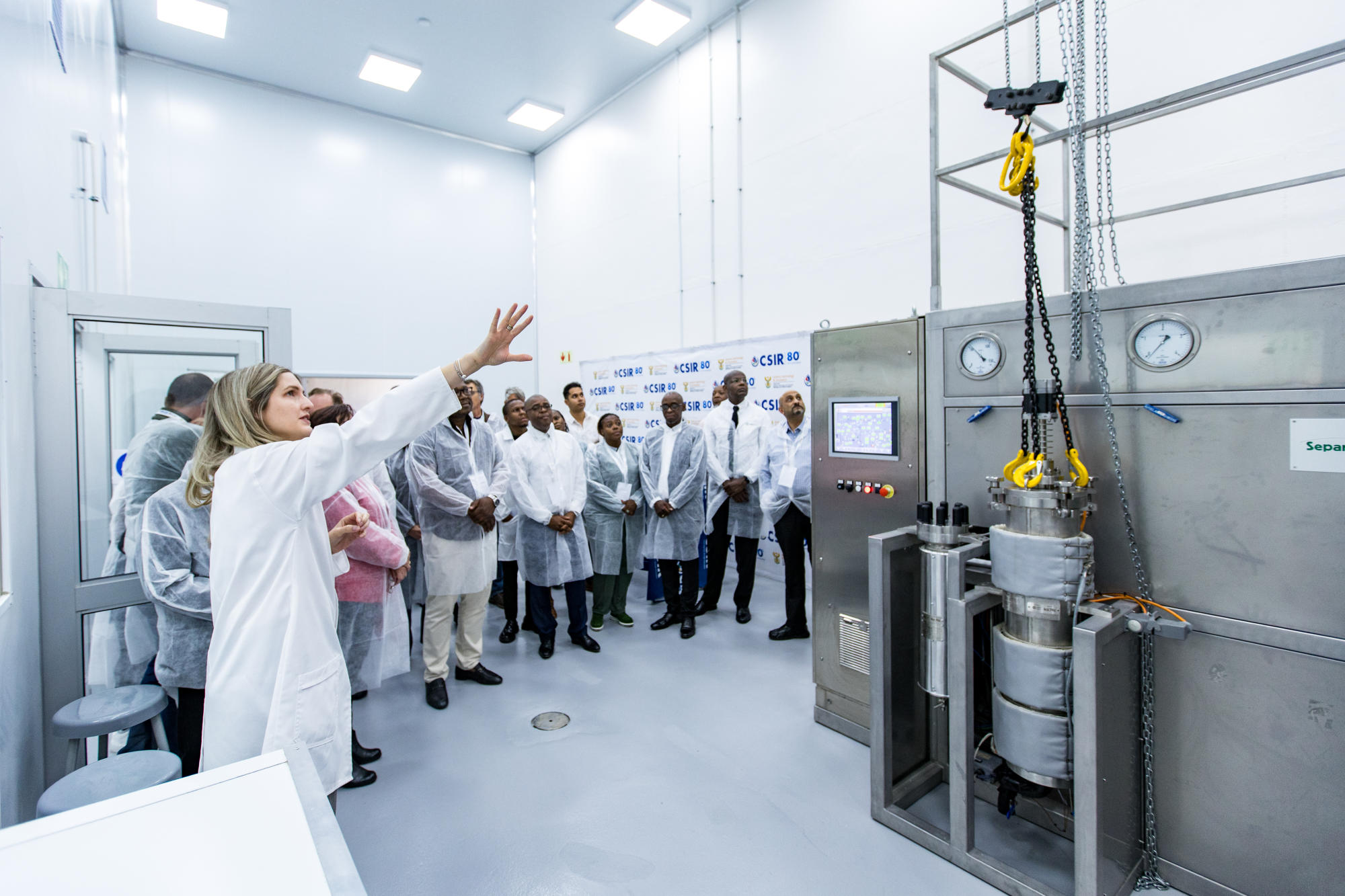
The new Supercritical Carbon Dioxide Encapsulation Facility formally welcomed industry partners and government officials on 17 October 2025, following an investment of R25.9 million by the Department of Science, Technology and Innovation (DSTI).
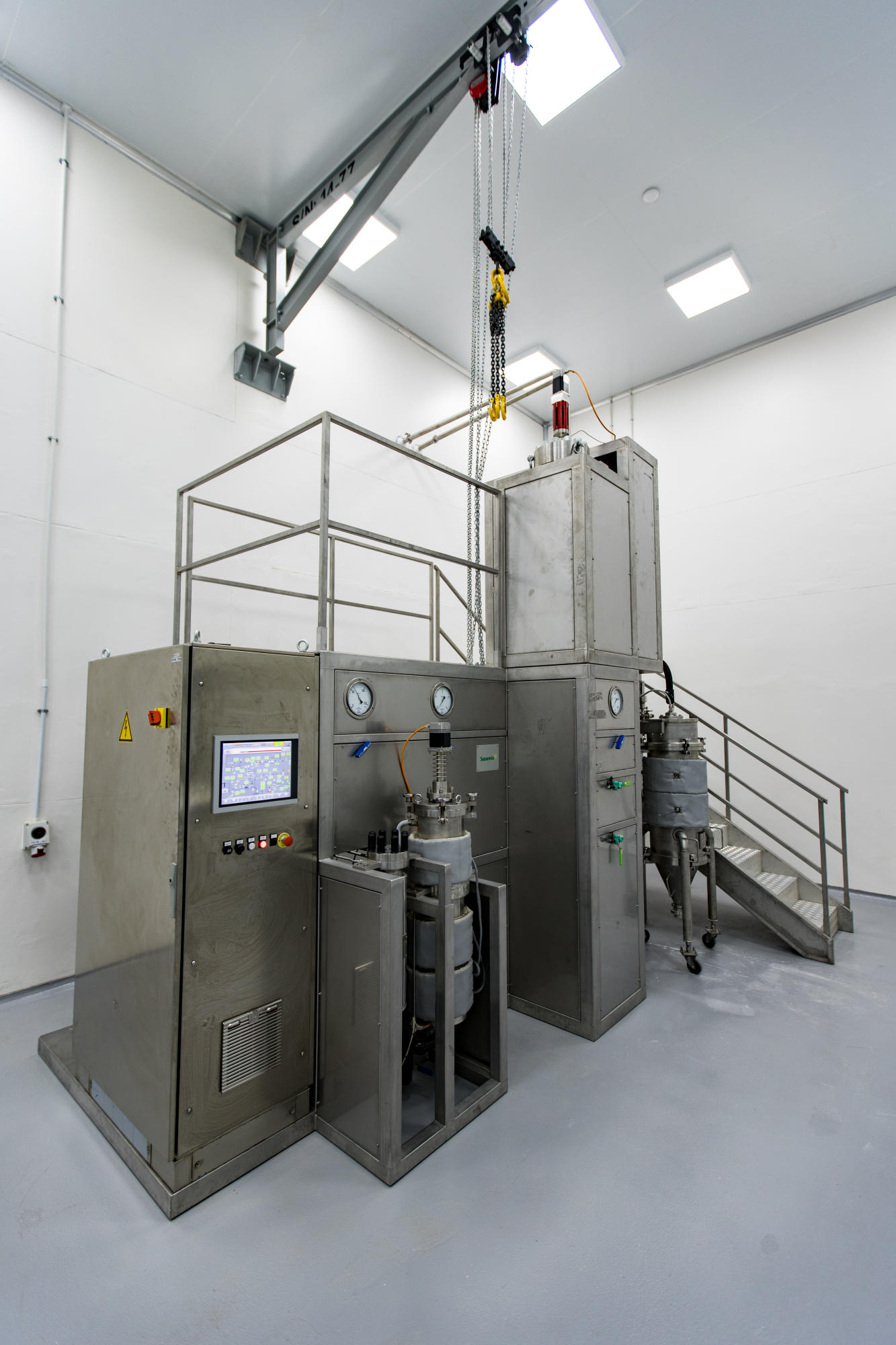
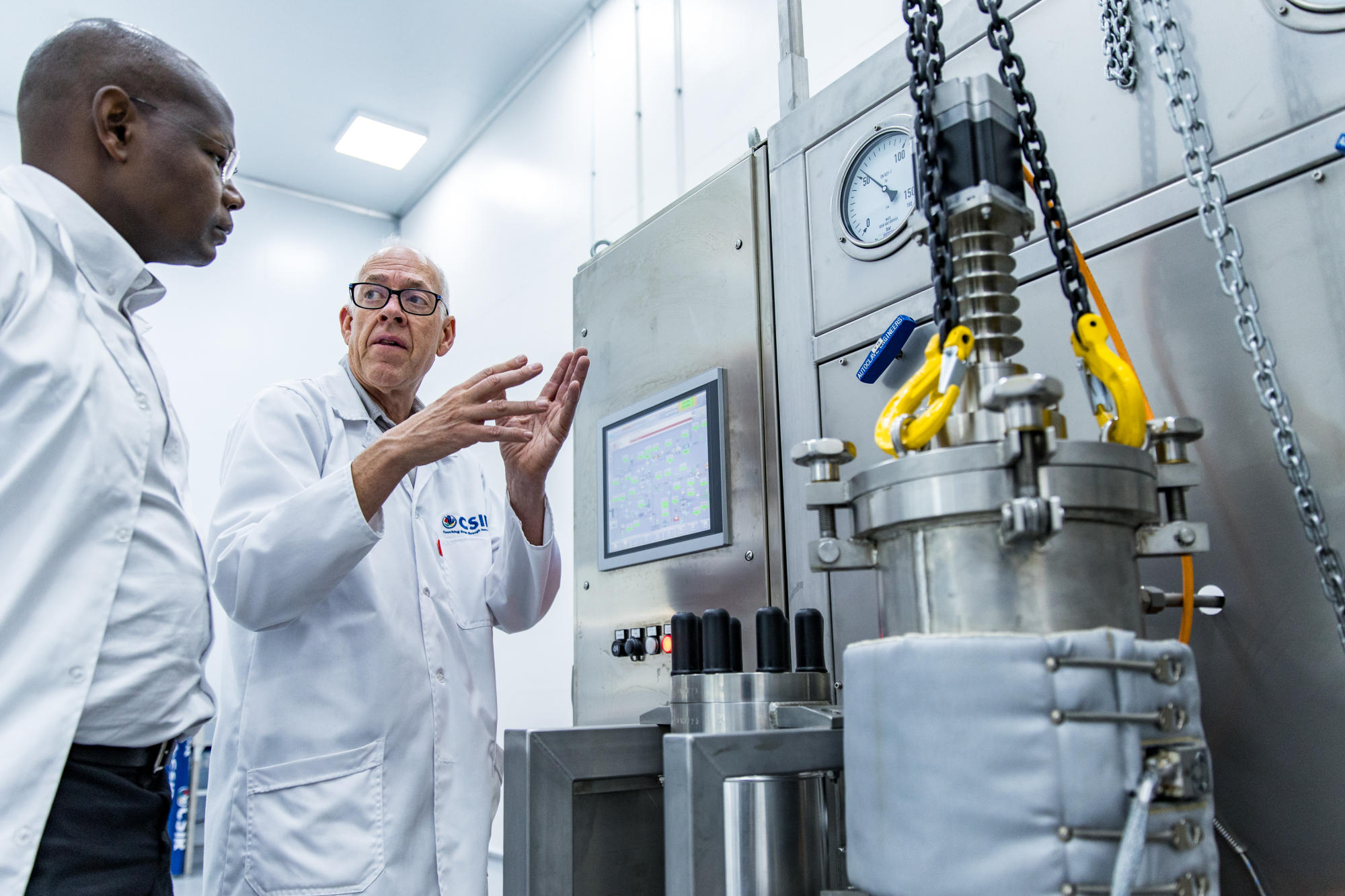
The CSIR’s new Supercritical Carbon Dioxide Encapsulation Facility formally welcomed industry partners and government officials on 17 October 2025, following an investment of R25.9 million by the Department of Science, Technology and Innovation. The facility brings key microencapsulation technology, which protects sensitive ingredients in probiotics, essential oils and other health and cosmetic products, to Africa for the first time.
The new facility will boost South Africa’s innovation and manufacturing sectors, enabling high-value, sustainable production, while supporting localisation, job creation and Africa’s growing bio-based economy.
Speaking at the launch event, CSIR Chief Executive Officer Dr Thulani Dlamini, said the facility “opens the door for local researchers, entrepreneurs and manufacturers to test, refine and scale their innovations right here at home, reducing reliance on international facilities and accelerating the path from laboratory to market.”
He was referring to innovations in product formulations that use supercritical carbon dioxide (CO2)to create microcapsules that protect delicate ingredients. CO2 used in this microencapsulation process is not in gas or liquid form, but rather somewhere in between, in the so-called supercritical fluid state of matter.
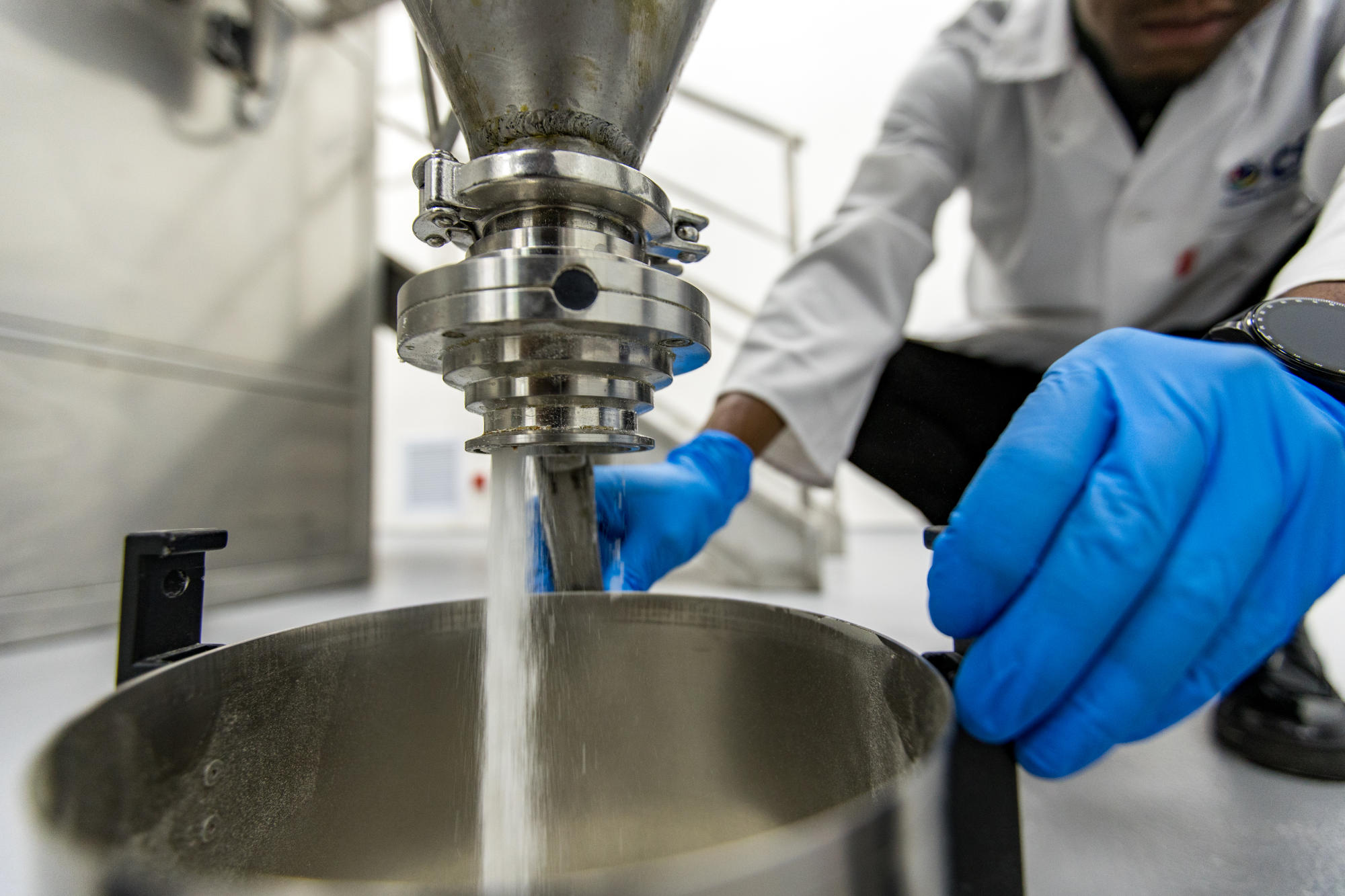
The CSIR’s Dr Philip Labuschagne said the process works by first dissolving supercritical carbon dioxide into a mixture of active ingredients and coating materials. The solution is then rapidly sprayed through a nozzle, releasing CO2 for later reuse, producing a fine powder of microcapsules (the active ingredient, encapsulated within the coating material).
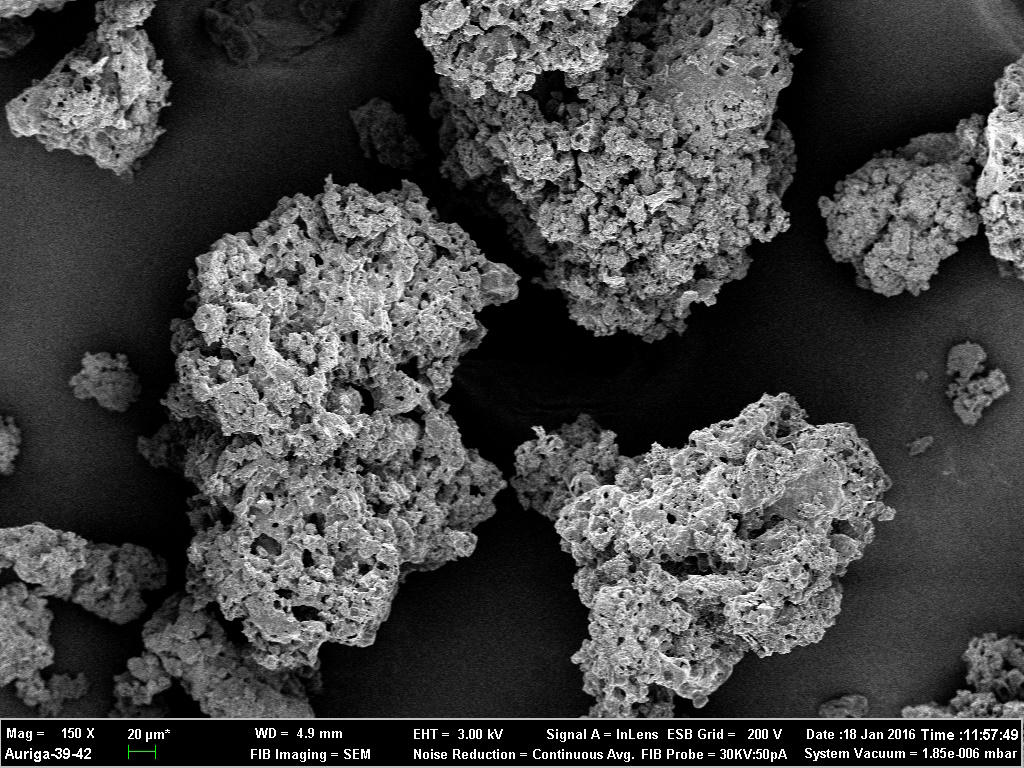
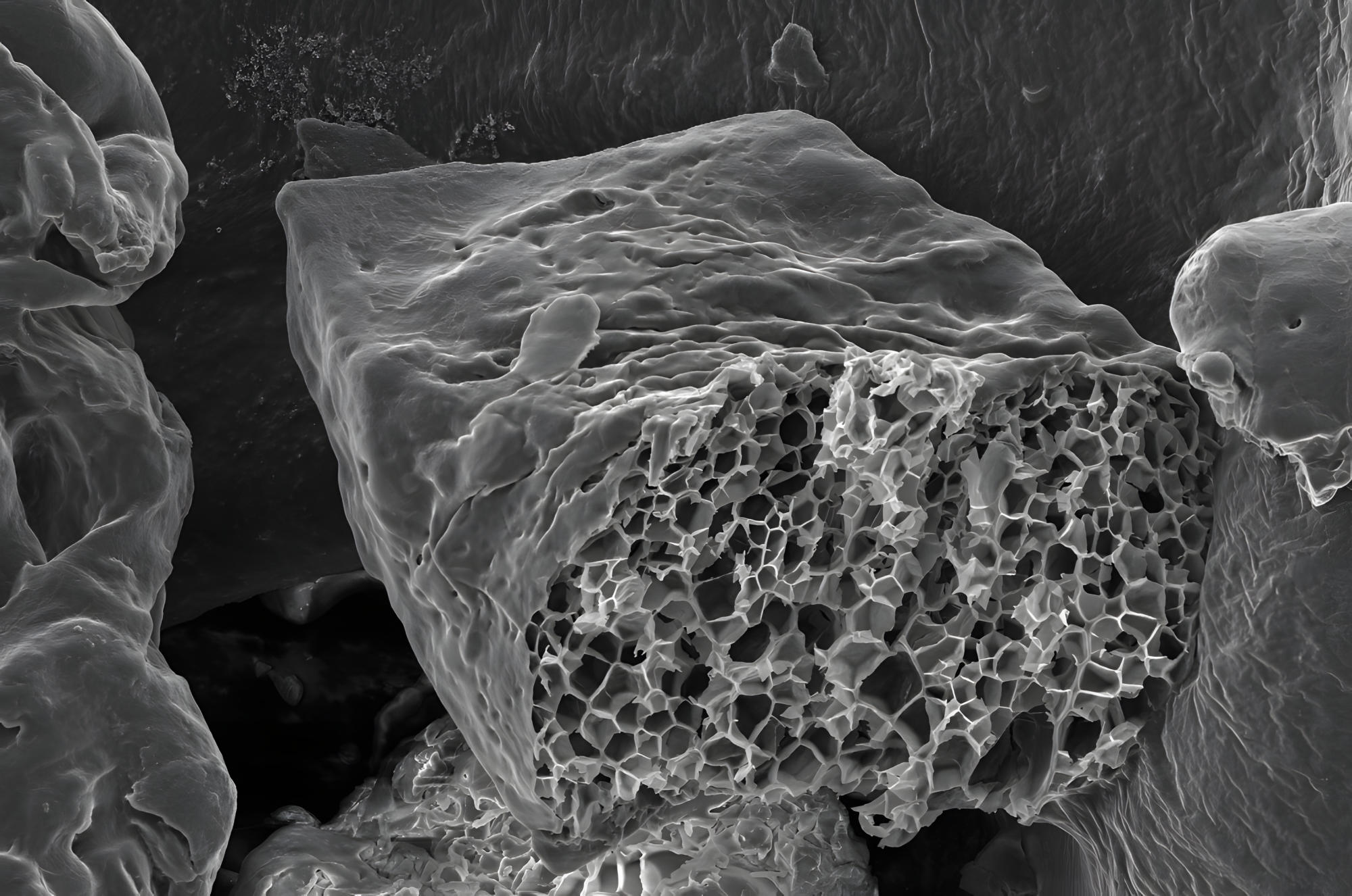
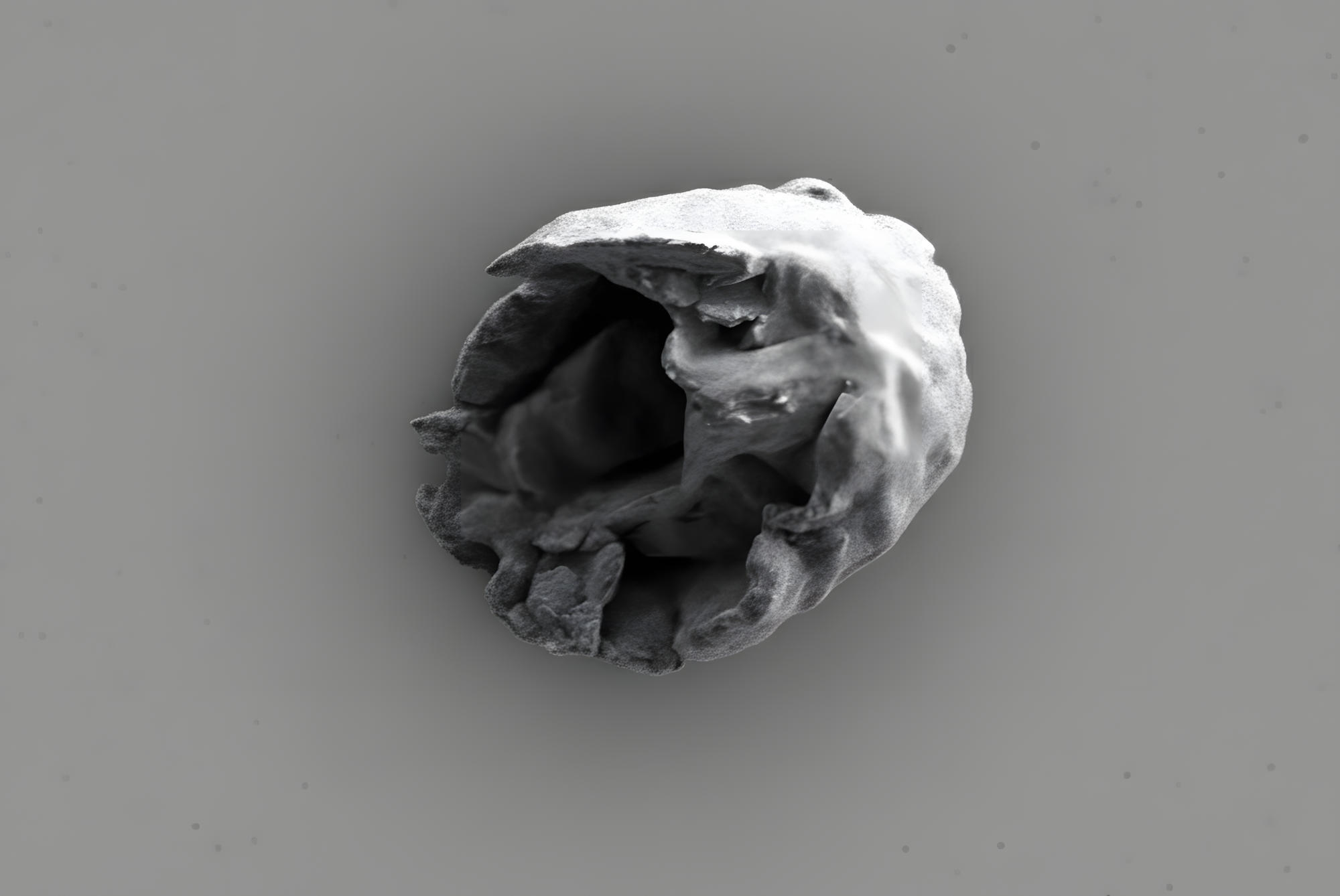
“In your final powder product, you get tiny particle sizes of between 10 and 100 microns, and your active ingredient, whether it is a vitamin or even an oily liquid, is then dispersed within the particles,” he said.
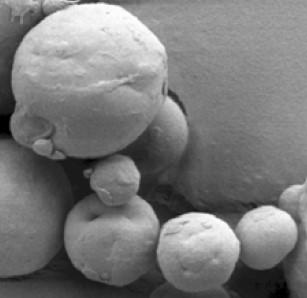
Scanning electron microscope images of microparticles produced using supercritical carbon dioxide. At the CSIR’s new facility, local cosmetic and health companies can now develop their own new product formulations to protect sensitive ingredients, thereby improving shelf-life, efficacy and stability.
Labuschagne said products that could benefit from a supercritical CO2-based encapsulation technology include nutritional health supplements that are sensitive to oxygen, moisture, heat or stomach acid, such as probiotics, certain phytochemicals and volatile essential oils or plant extracts that evaporate easily.
Adelia Pimentel, executive director of the Cosmetic, Toiletry and Fragrance Association of South Africa, said during the launch that her industry body foresees several benefits of microencapsulation for local businesses and consumers, including better product stability, efficacy and shelf-life.
“The specific types of companies that will benefit from this particular facility would be anti-ageing and skincare brands,” said Pimentel, adding that the technology will boost innovation in fragrance, personal care, sensitive skin, make-up and other premium products.
“And then, of course, the sustainability and safety factor is always something that is important,” she said.
Labuschagne explained that the microencapsulation process requires no toxic organic solvents and takes place at relatively low temperatures, like 30 degrees Celsius. “It's really a green and safe process, and most of the carbon dioxide, which is sourced and recovered from waste processes, is recycled back into the system,” he said.
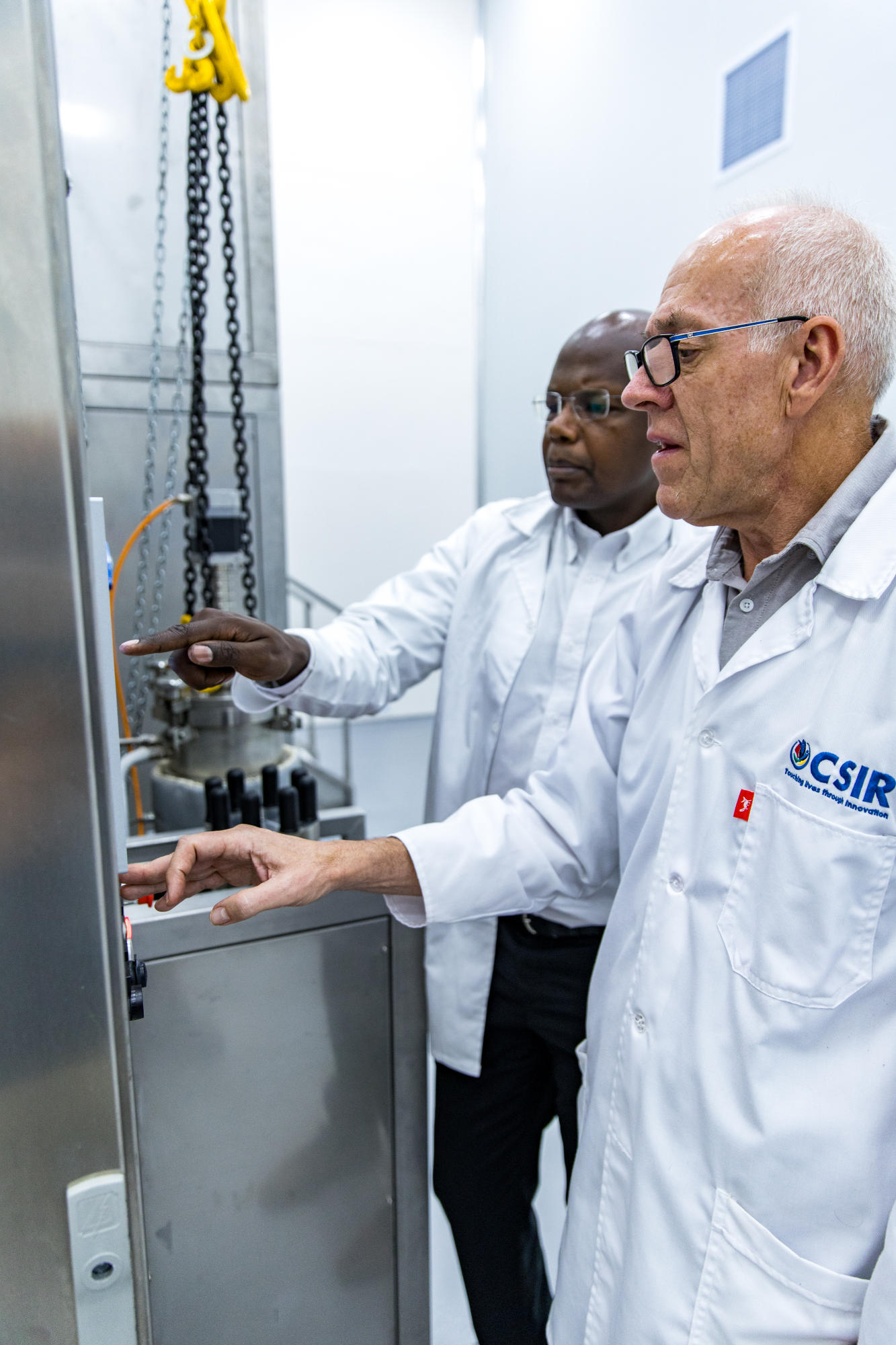
The CSIR’s Dr Philip Labuschagne (right) and the CEO of local gut health supplement business Velobiotics, Dr Chomba Chuma, discuss the microencapsulation of probiotics at the CSIR’s new Supercritical Carbon Dioxide Encapsulation Facility.
Local gut health supplement business Velobiotics already uses CSIR’s facilities to produce microencapsulated formulations of probiotics. The process ensures that their products can survive the highly acidic stomach environment on their way to the intestines, where they are active.
CSIR researchers used a scanning electron microscope to verify the success of the microencapsulation process and checked that the final powder product can withstand the level of acidity (a pH of about two) encountered in the stomach.
“The CSIR is one of the biggest stakeholders we have, because this facility is the only one available in Africa,” said Velobiotics CEO, Dr Chomba Chuma, who now sees several of his company’s gut health products on major retailers’ shelves.
In his view, the new facility is a “beacon of African excellence” and a “launchpad for African biotech.”
“I want to thank the CSIR for believing in innovation, and the DSTI for supporting it,” said Chuma. He also said that without the CSIR’s scientific support, scaling his business would have been unaffordable.
Supercritical carbon dioxide encapsulation technology yields a fine powder of microencapsulated product. First, supercritical carbon dioxide is dissolved in a mixture of active ingredients and coating materials. The solution is then rapidly sprayed through a nozzle, releasing the carbon dioxide for later reuse. Products that could benefit from this microencapsulation technology include probiotics or nutritional supplements that could be vulnerable to stomach acid, and volatile essential oils or plant extracts that evaporate easily.
DSTI Director-General Dr Mlungisi Cele also addressed the media and industry representatives. “We see the launch of this facility as an important step in South Africa's development of new high-tech industries to support manufacturing, which remains a key priority for our economy,” he said.
Nontombi Maseko, Director of Innovation and Technology at the Department of Trade and Industry, added that this facility will help anchor small to medium enterprises, enabling them to build from the ground up. She said her department offers incentives to further support such businesses in developing and commercialising new technologies.
The CSIR, an entity of the Ministry of Science, Technology and Innovation, is one of Africa’s leading organisations in scientific and technology research, development and implementation. Constituted by an Act of Parliament in 1945 as a science council, the CSIR undertakes directed and multidisciplinary research and technological innovation, as well as industrial and scientific development, to improve the quality of life of all South Africans.
This year, the CSIR celebrates 80 years of touching lives through innovation. For more information, visit www.csir.co.za
Follow us on social media:
X: @CSIR. Facebook: CSIRSouthAfrica. Instagram: CSIRSouthAfrica. LinkedIn: Council for Scientific and Industrial Research (CSIR). YouTube: CSIRNewMedia