What we do

Aquaculture and animal health
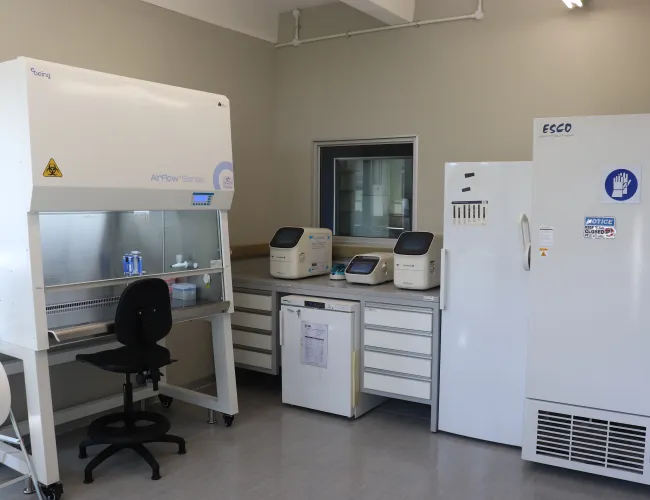
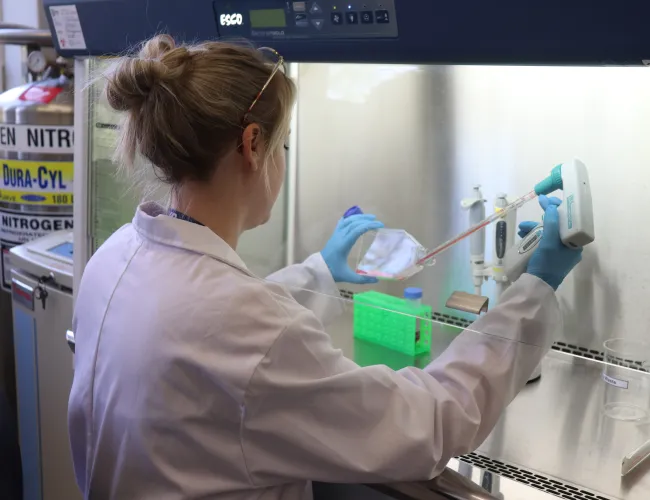
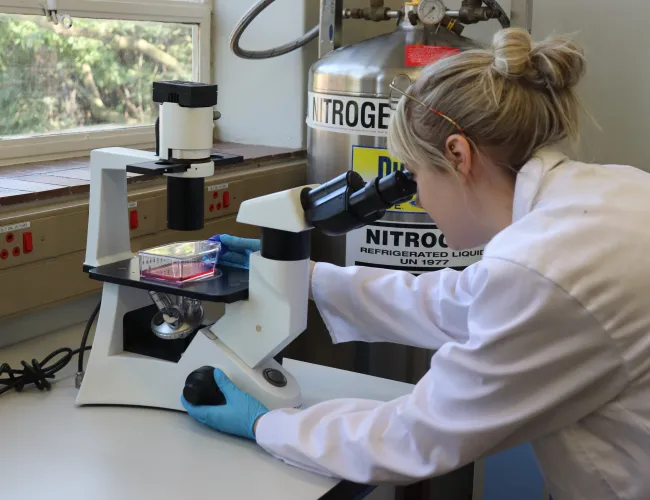
We specialise in developing advanced technologies to enhance aquaculture and animal health. This includes the development of next-generation technologies for disease diagnostics, including lab-on-chip and point-of-care solutions, as well as mRNA and plant-expressed vaccines targeting diseases of socioeconomic importance.
Aquaculture and animal health
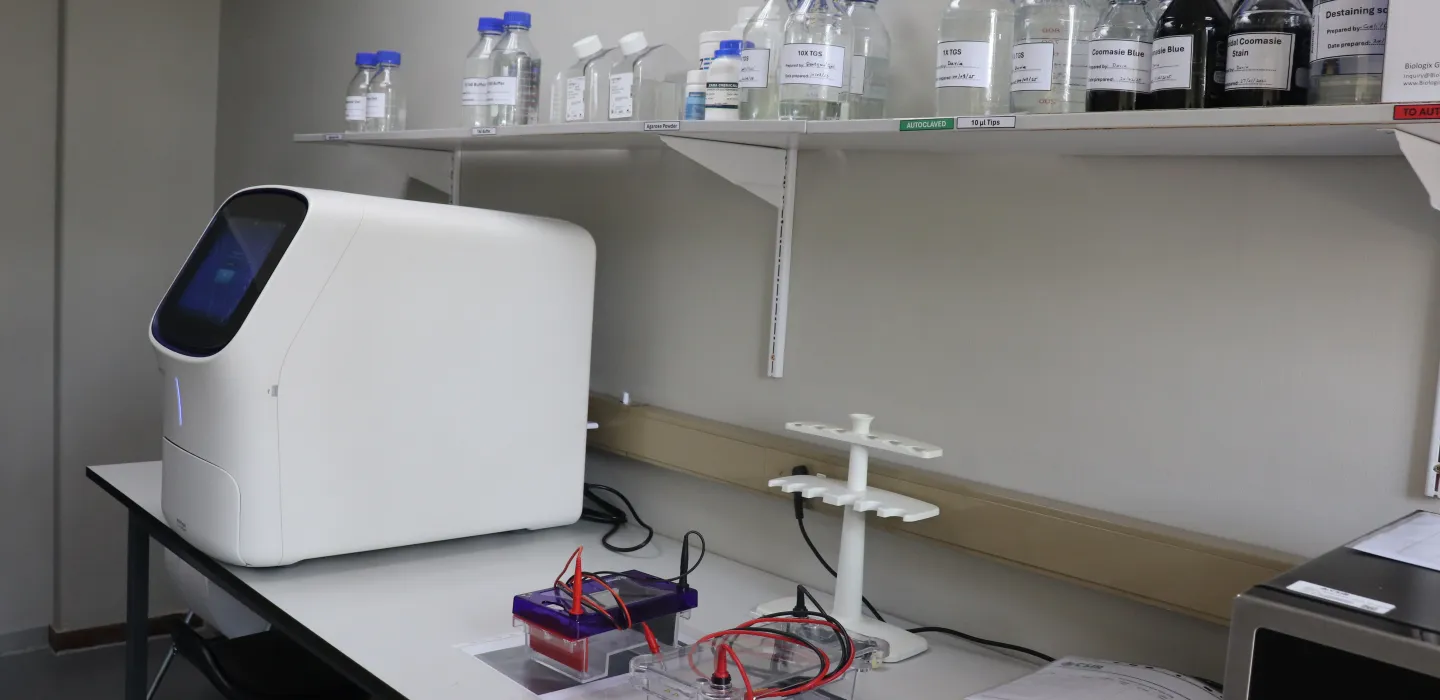
We specialise in developing advanced technologies to enhance aquaculture and animal health. This includes the development of next-generation technologies for disease diagnostics, including lab-on-chip and point-of-care solutions, as well as mRNA and plant-expressed vaccines targeting diseases of socioeconomic importance.
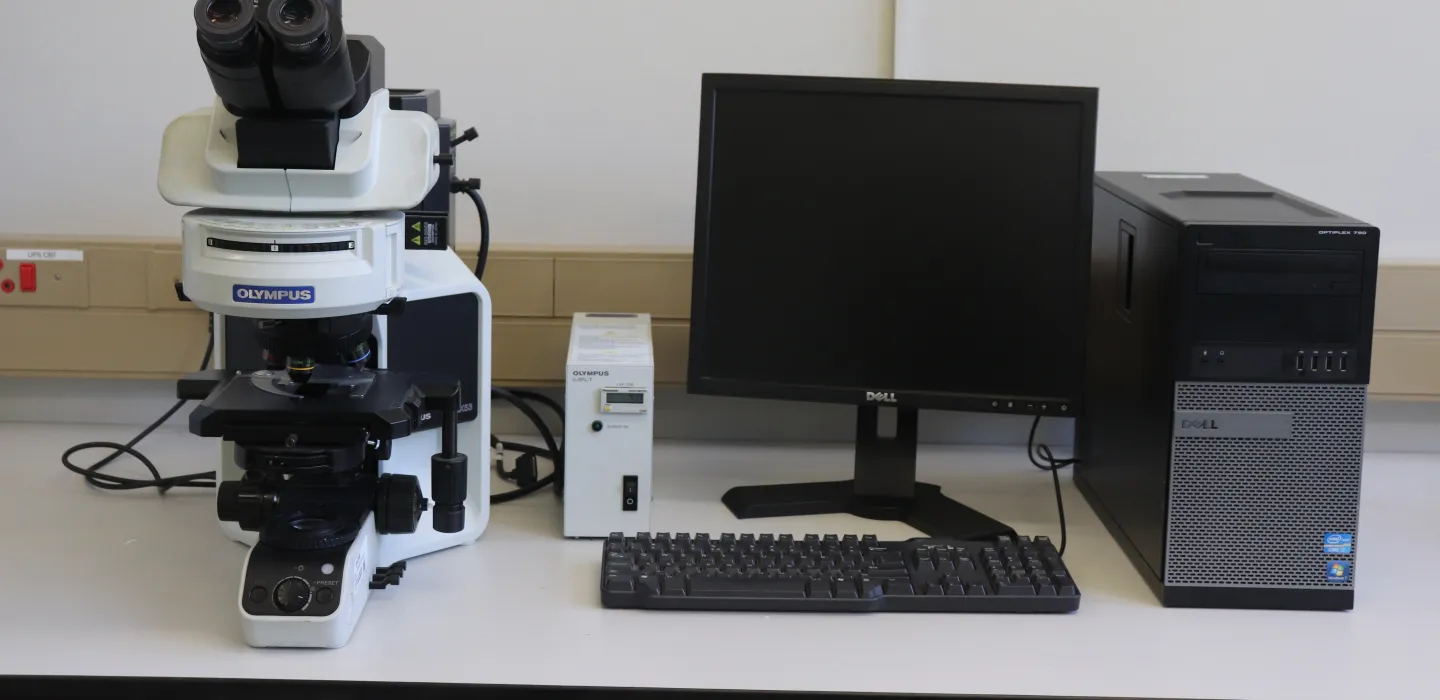
Aquaculture and animal health
We specialise in developing advanced technologies to enhance aquaculture and animal health. This includes the development of next-generation technologies for disease diagnostics, including lab-on-chip and point-of-care solutions, as well as mRNA and plant-expressed vaccines targeting diseases of socioeconomic importance.
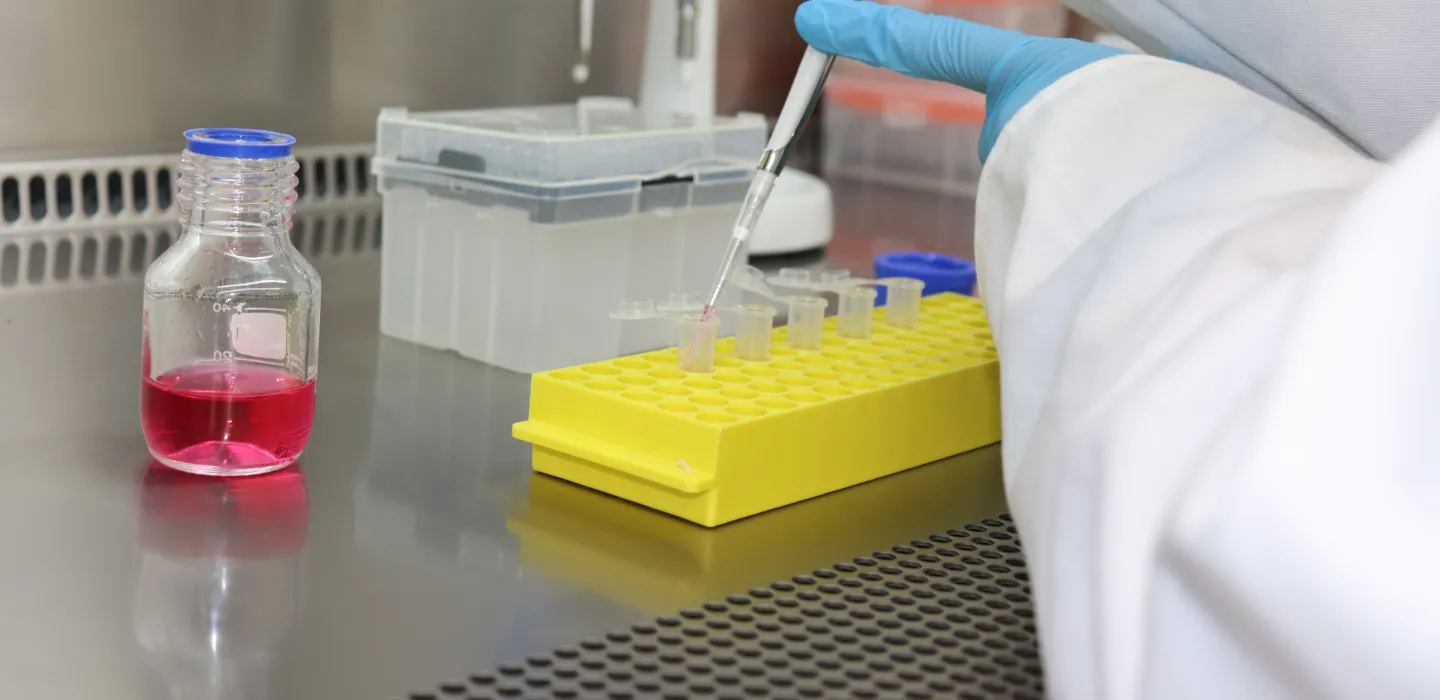
Aquaculture and animal health
We specialise in developing advanced technologies to enhance aquaculture and animal health. This includes the development of next-generation technologies for disease diagnostics, including lab-on-chip and point-of-care solutions, as well as mRNA and plant-expressed vaccines targeting diseases of socioeconomic importance.
Contact information:
Highlights
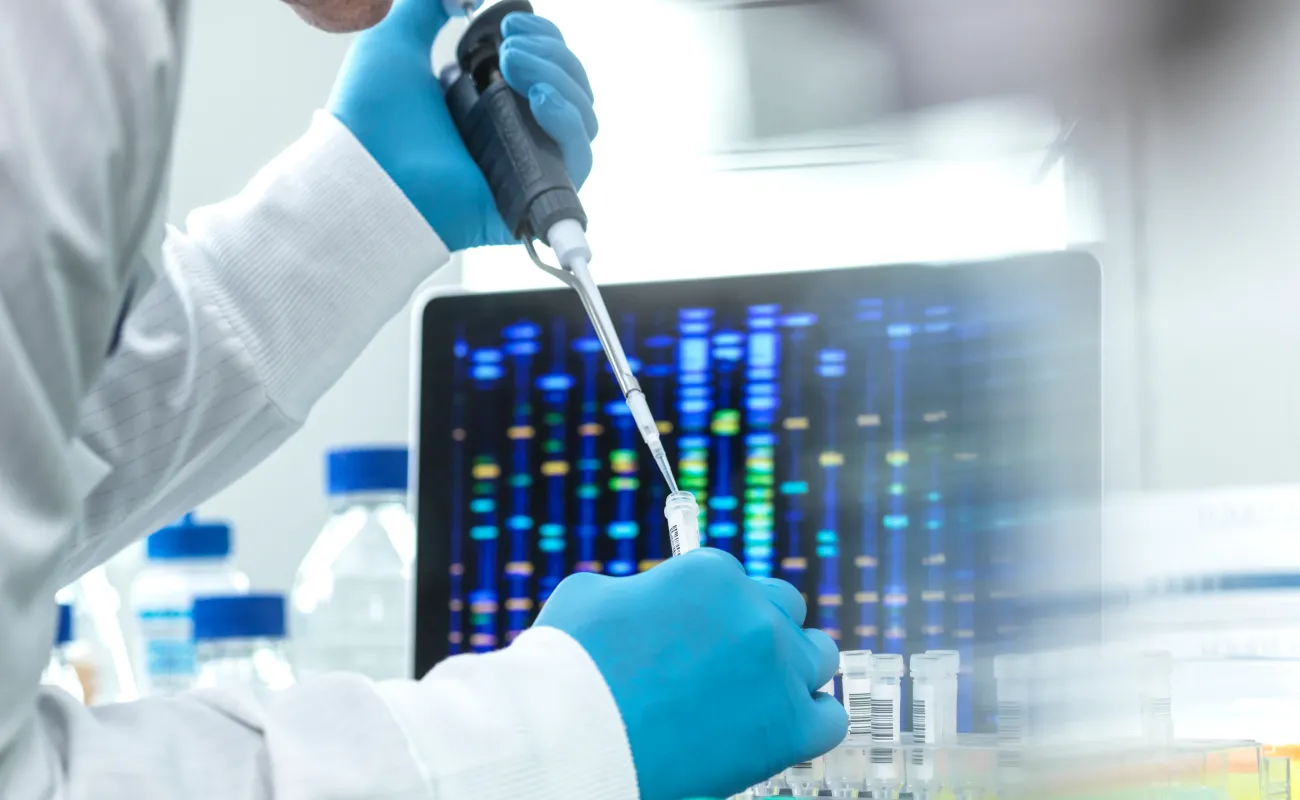
Researchers pool their skills to build climate-resilient, safe and sustainable food systems
The CSIR is contributing its expertise in advanced agriculture, artificial intelligence, climate change, biodiversity and software development to develop a tool with advanced capabilities to predict potential disease outbreaks. It does so by analysing economic trends, climate conditions, disease surveillance reports and other relevant factors. The tool will also prescribe strategies to prevent losses and constraints on the food supply. Read more. The tool is part of the broader international One Food programme, which addresses the three interrelated pillars of health – human, environmental and animal health – from a food perspective.
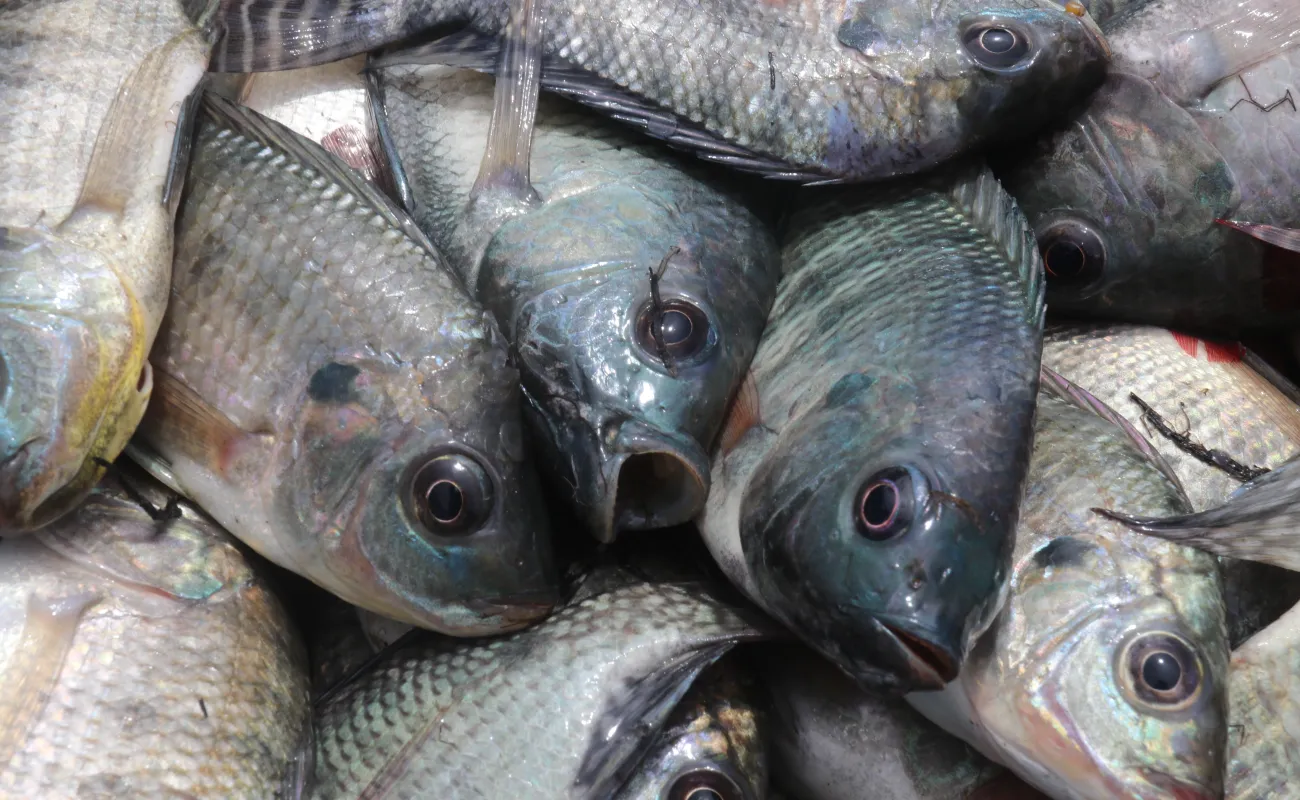
Diagnostic technology to detect viral diseases affecting aquaculture in Africa
The CSIR works closely with research partners across Africa to validate innovative diagnostic assays developed at the CSIR for detecting viral diseases that threaten African aquaculture. Freshwater fish farming plays a vital role in Africa’s food security, offering an affordable, nutritious and sustainable source of animal protein for millions of people. However, viral diseases can severely impact production, livelihoods and economic growth in the sector. By combining local expertise with cutting-edge science, this initiative aims to safeguard aquaculture health, protect farmer incomes, and contribute to the long-term sustainability of this growing industry. Watch.
Our facilities