Nanostructures and advanced materials

What we do

Contact information:

Prof. Suprakash Roy 
Centre Manager: Centre for Nanostructure and Advanced Materials 
@email 

Dr Duduetsang Saku
Business Development and Commercialisation Manager  
dsaku@csir.co.za  

Highlights

A biodegradable rapid test to detect E. Coli in water

A biodegradable rapid test to detect E. Coli in water

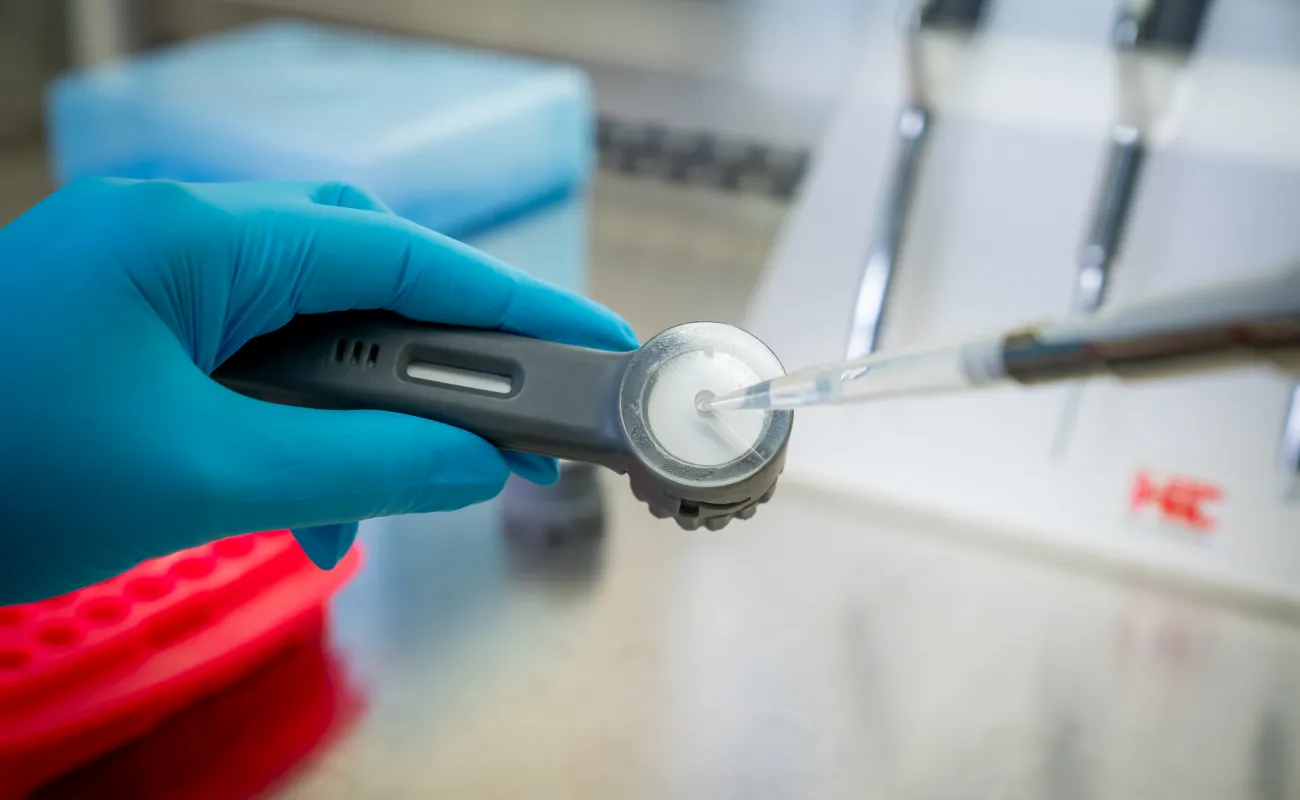
The CSIR has developed a biodegradable single-use kit that can detect E. coli in water within six hours. This innovative solution is faster than existing lateral flow detection devices, easy for non-experts to use and circumvents the need for lengthy laboratory testing. The CSIR-developed device incorporates systems that filter water, incubates the bacteria and multiplies it to a detectable level. All these elements are integrated into a single, biodegradable unit.
CSIR develops compostable food packaging solution

CSIR develops compostable food packaging solution

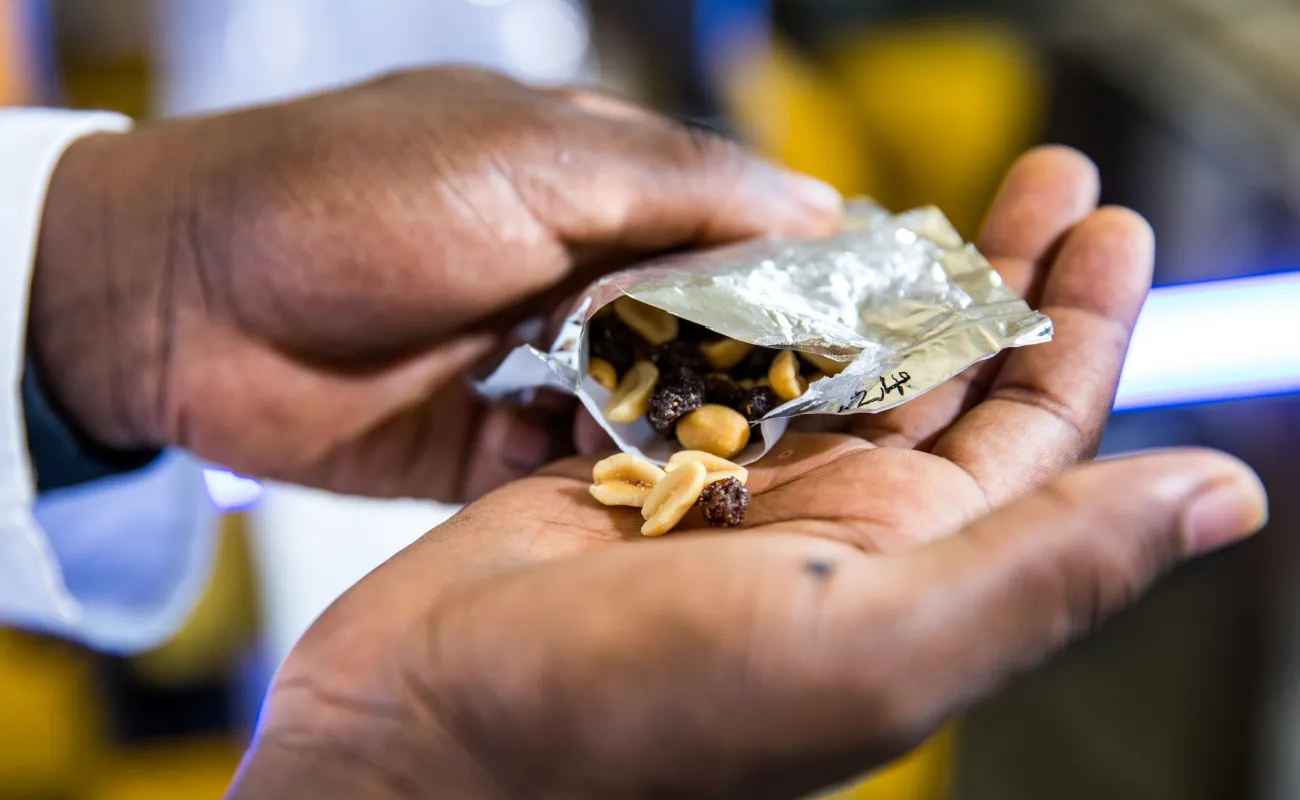
CSIR researchers have developed biodegradable food packaging that effectively blocks oxygen, helping to prevent spoilage and extend shelf life. This packaging presents a sustainable alternative to conventional plastics, which contribute to environmental pollution. Designed to retain its shape and integrity even at high temperatures, it is particularly suitable for ready-to-eat products – items often not recycled due to food contamination. Read more.
Scientists close to 86% reduction in hydrogen cylinder storage pressure

Scientists close to 86% reduction in hydrogen cylinder storage pressure

CSIR researchers are at an advanced stage of developing a technology that compacts one kilogram of hydrogen into a 20-litre cylinder at just 100 bars – 86% lower pressure than current compression technology allows for. This technology will enable hydrogen-powered vehicles to store fuel at reduced pressures, enhancing safety and affordability. Read more.

Can we turn prawn shells into firefighter gear?

Can we turn prawn shells into firefighter gear?

Within the next three years, CSIR researchers aim to close the recycling loop on chitinous waste by transforming scraps from lobster, prawns and other shellfish into eco-friendly products. They are developing chemical processes to extract chitin from shellfish waste and exploring ways to incorporate chitosan into useful products. Chitin can be converted into chitosan, a polymer that can be woven into other common synthetic polymers used in products such as fabrics or polyvinyl chloride pipes. Read more.

Our facilities
 

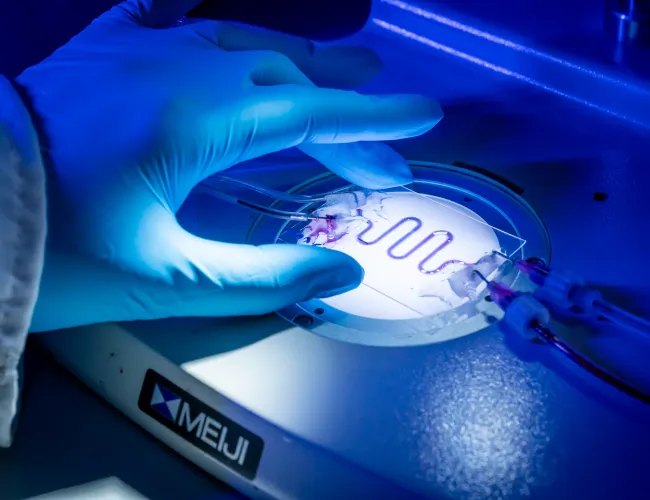
Nano-micro manufacturing facility lab-on-chip node

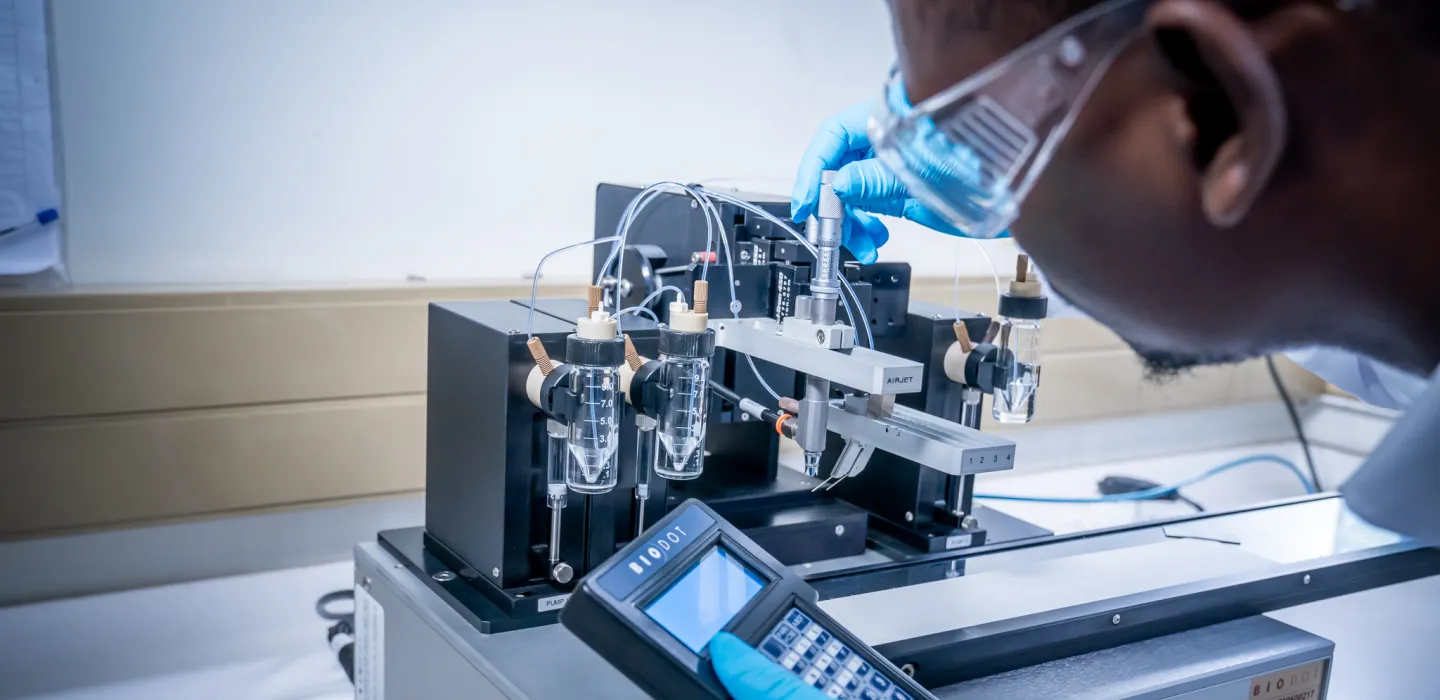
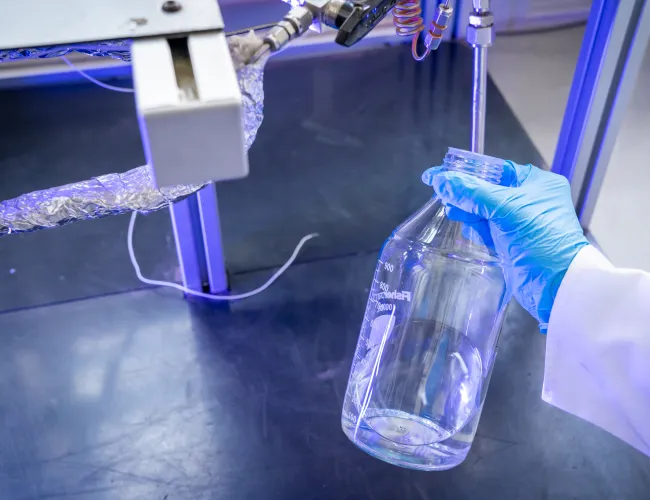
The CSIR houses a nano-micro manufacturing facility dedicated to developing and fabricating devices and systems at the micrometre scales. This facility integrates principles from nanotechnology, biotechnology, microelectronics and manufacturing to achieve precise, functional miniaturisation.

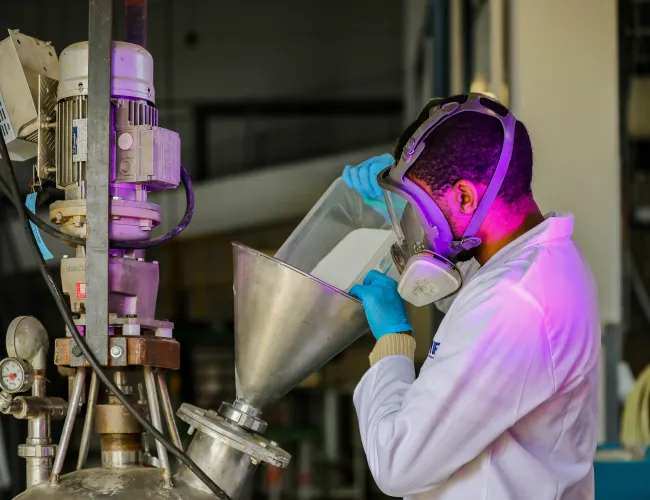
Nanomaterials Industrial Development Facility

The Nanomaterials Industrial Development Facility (NIDF) is specifically designed to enable the transition from laboratory research to industrial-scale production. The NIDF manufactures and supplies advanced nano- and micro-materials, including graphene oxide (GO), reduced GO, hydrotalcites, modified bentonite clays, nano zinc oxide and metal-organic frameworks.

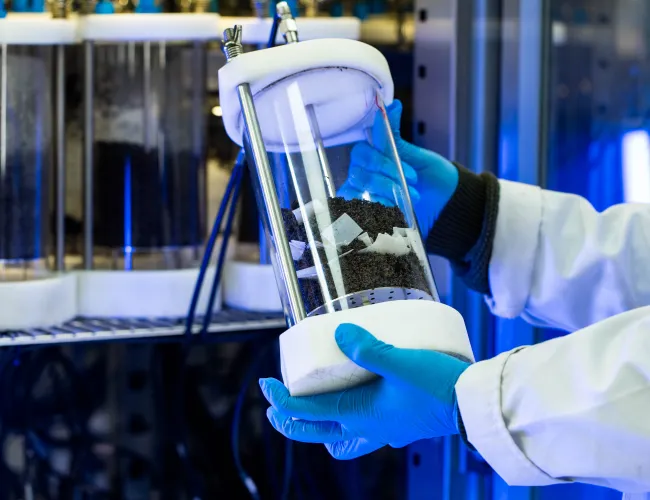
Biodegradation testing laboratory

Our laboratory is equipped to test and verify the biodegradability of materials, including imported and locally produced products marketed as biodegradable and compostable. We assess biodegradability under various environmental conditions relevant to intended use, such as agricultural soil, landfill, home and industrial compost, fresh water, marine water and aerobic and anaerobic conditions.

Polymer characterisation facility

Our bioplastics and biocomposites platforms are central in the development of environmentally friendly materials using biomass-derived fillers and additives. Our polymer nanocomposites and blends platform focuses on creating advanced nano-structured composites from novel nanomaterials such as nanoclays, two-dimensional carbon materials and metal oxides, while playing a key role in innovatingpolymer waste beneficiation.

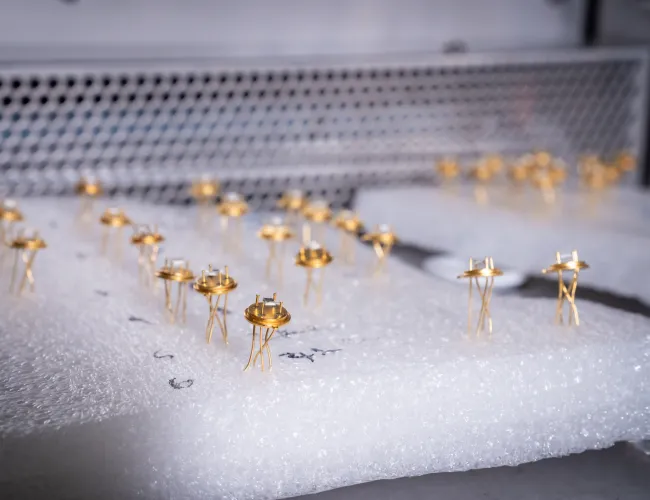
Nanomaterials for sensing applications platform

We lead in designing, engineering and testing novel nano-enabled materials for next-generation sensor technologies. With strong capabilities in material fabrication and electronic device prototyping, our group enhances sensor performance to address pressing needs in medical diagnostics, air quality monitoring and food safety.

Advanced functional materials platform

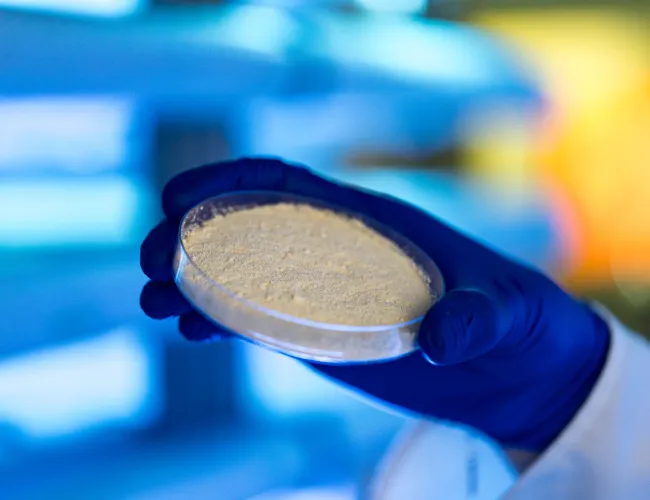
Our laboratories specialise in designing and developing high-value functional materials such as active particles, nanostructures, biomaterials and functional biopolymers, sourced from sustainable raw materials. Leveraging specialised infrastructure, we demonstrate capabilities across diverse applications, including pharmaceuticals, nutraceuticals, cosmeceuticals, encapsulated bio-pesticides and controlled-release fertilisers, supporting greener and more effective solutions for health, agriculture and industry.

Supercritical CO₂ Encapsulation Facility

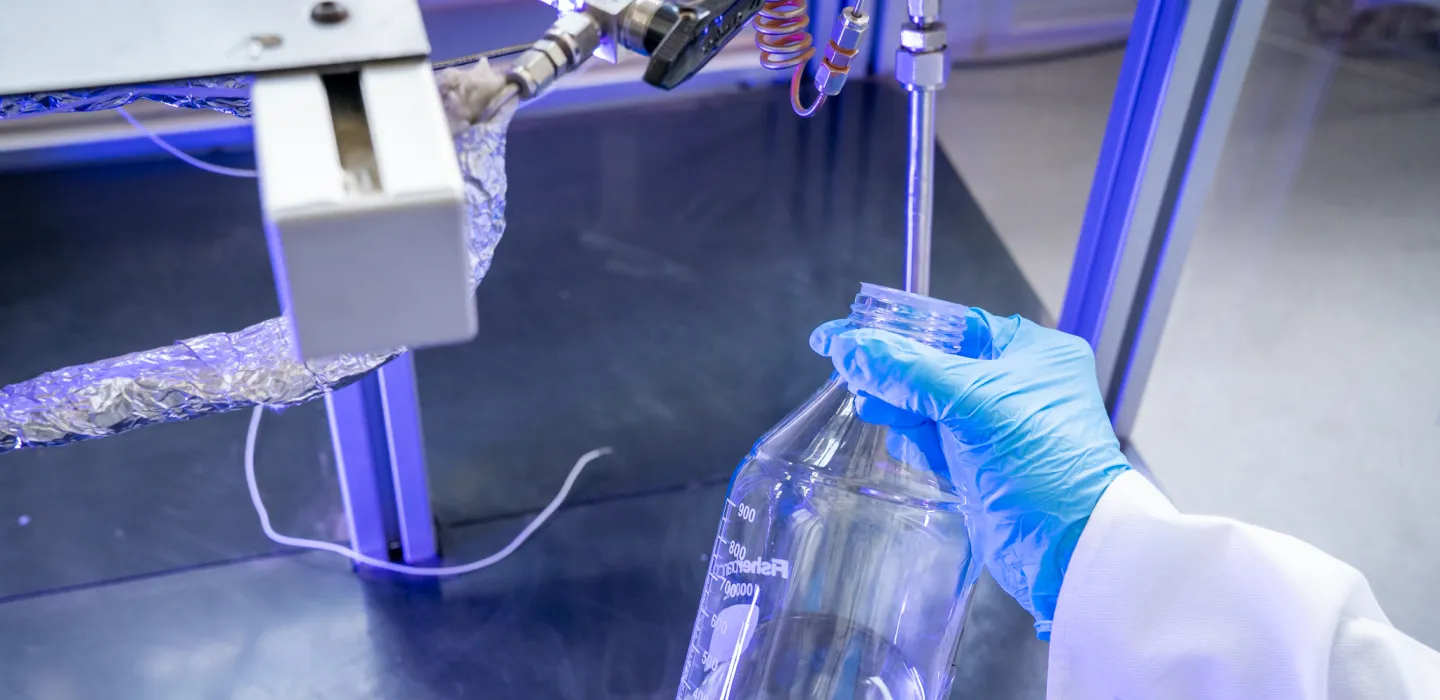
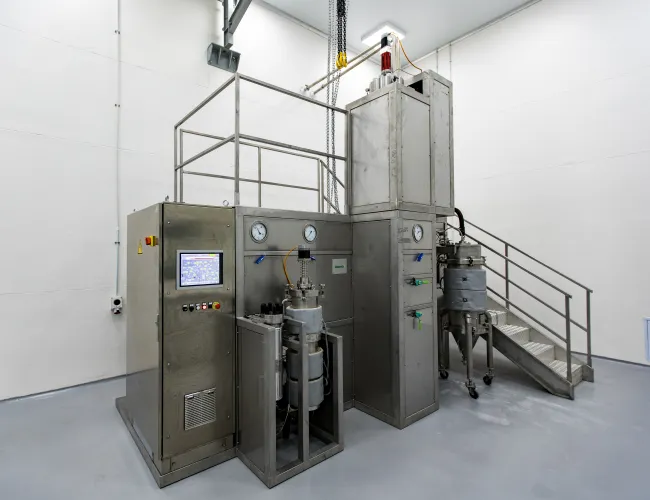
With expertise in encapsulation and micronisation, we leverage the unique properties of supercritical CO₂ to help industry partners create superior formulations. Our facility produces solvent-free formulations and microparticles that enhance stability, bioavailability and performance of active ingredients. From concept development at laboratory scale to pilot-scale production optimisation, we provide end-to-end support for the nutraceutical, cosmeceutical and animal nutrition industries.

HySA Infrastructure Facility

This facility develops cost-competitive solutions for local hydrogen generation, with a strong focus on harnessing renewable energy sources. Aligned with national goals for a just energy transition, it supports the advancement of green technologies for sustainable industrial development.

Textile testing laboratory

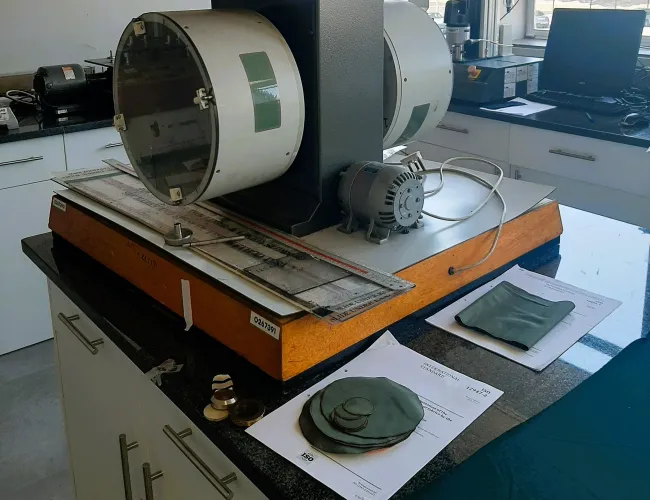
Our textile testing laboratory supports South Africa’s textile, clothing and automotive industries through advanced quality control and research services. Equipped to test fibres, yarns, fabrics and composites, the facility helps identify material and machinery faults early in the production process. This ensures products meet local and international certification requirements, enabling manufacturers to compete effectively in export markets.