The CSIR has started its work as part of an internationally funded project to transform the food and beverage sector's approach to plastic packaging and ultimately reduce the volume of plastic waste generated and prevent it from leaking into the environment.
The project, launched in South Africa in September 2025, is called “Circular solutions to plastic pollution in South Africa” and forms part of the Plastic Reboot programme. South Africa is one of 15 countries that is part this global programme, which is funded by the Global Environment Facility. The United Nations Industrial Development Organisation (UNIDO) acts as the international implementation agency, with the Department of Forestry, Fisheries and the Environment serving as the national focal point. The South African project is being executed by WWF South Africa, in collaboration with partners the Council for Scientific and Industrial Research (CSIR) and GreenCape. The CSIR is responsible for the knowledge management and capacity building component of the project.
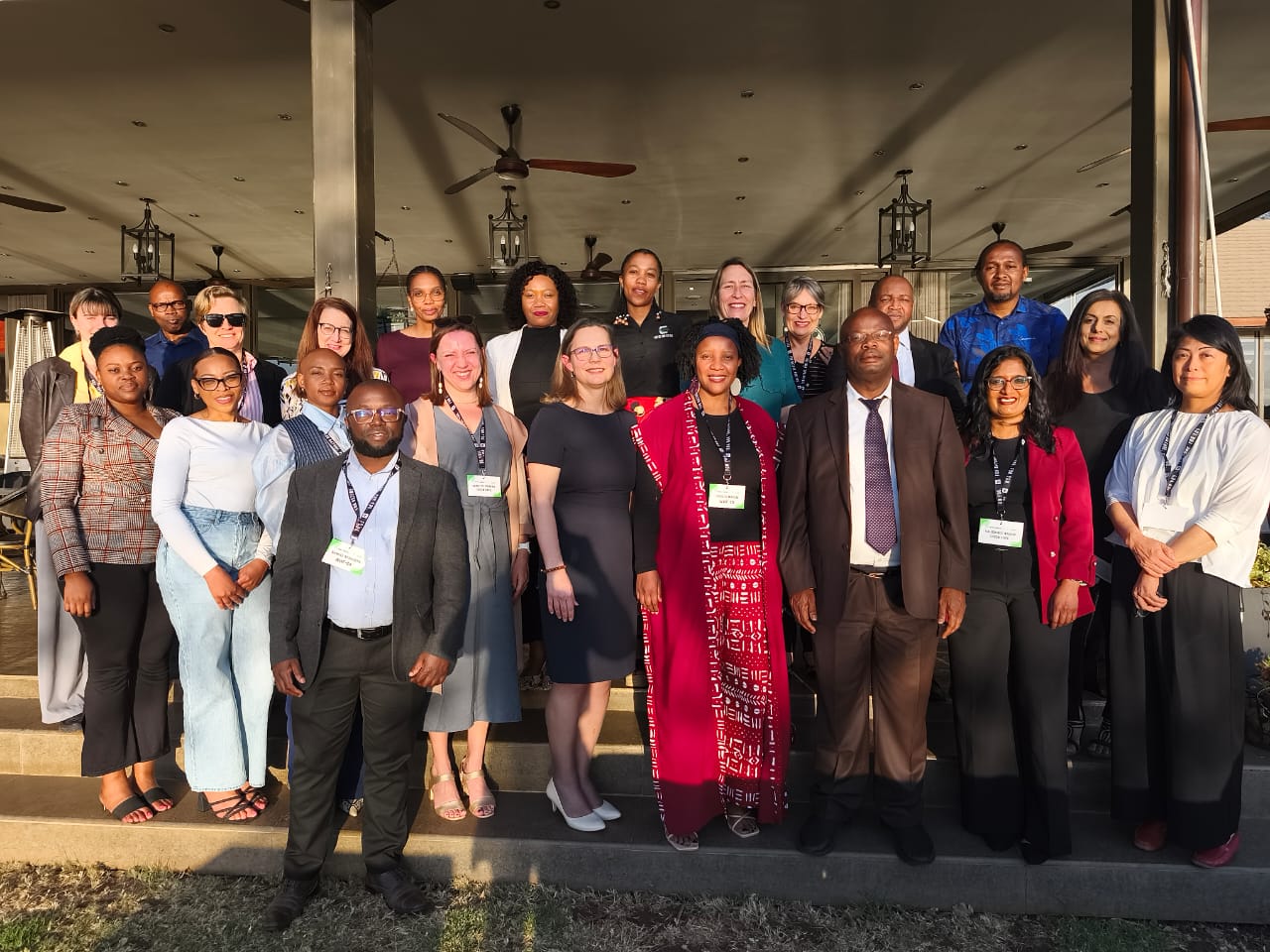
Delegates in attendance at the launch of the Plastic Reboot Project in Pretoria, South Africa on 15 September 2025.
“Scientific evidence is critical for identifying solutions to the plastic pollution crisis that are effective, relevant to the South African context, and that avoid unforeseen negative consequences. Downstream solutions, such as improved waste management and recycling, while important, will, on their own, not be enough to address the challenge of plastic pollution. A system-wide approach is needed, with all role-players working towards a common vision,” says environmental economist and CSIR principal researcher Anton Nahman.
The food and beverage industry generates a significant quantity of plastic waste and is a significant contributor to plastic pollution and environmental problems, posing risks to ecosystems.
The project will revamp the plastic value chain from linear to circular, with a focus on the upstream and midstream stages of the plastics lifecycle. Specifically, it will look at upstream interventions, including eliminating unnecessary, avoidable and problematic plastic products and hazardous additives, shifting to sustainable alternatives, as well as reuse and refill models and using recycled plastics as feedstock. In terms of midstream interventions, including supporting innovation to extend the life of products where plastics are necessary, by creating reusable or recyclable products as well as circular systems (reuse, refill, repair, resell, repurpose) and reducing unnecessary consumption of plastics by consumers and commercial users, especially for short-lived plastic products.
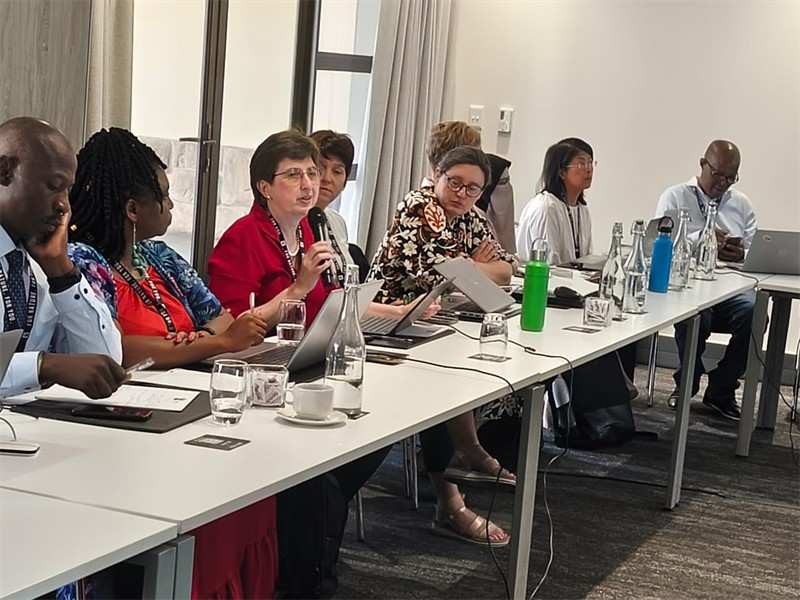
CSIR principal researcher Prof. Suzan Oelofse sharing insights with industry and experts on the Plastic Reboot Project.
Nahman says that by implementing these strategic circular interventions, the plastic packaging value chain in the food and beverage sector in South Africa can be sustainably transformed.
Ultimately, the vision of the project is to contribute toward a thriving, equitable and inclusive circular economy for plastic packaging and short-lived plastic products in the food and beverage sector, for the wellbeing of society and the environment.
“The CSIR is excited to be part of this project and its planned suite of interventions aimed at reducing plastic pollution and the resulting environmental impacts,” says Nahman.
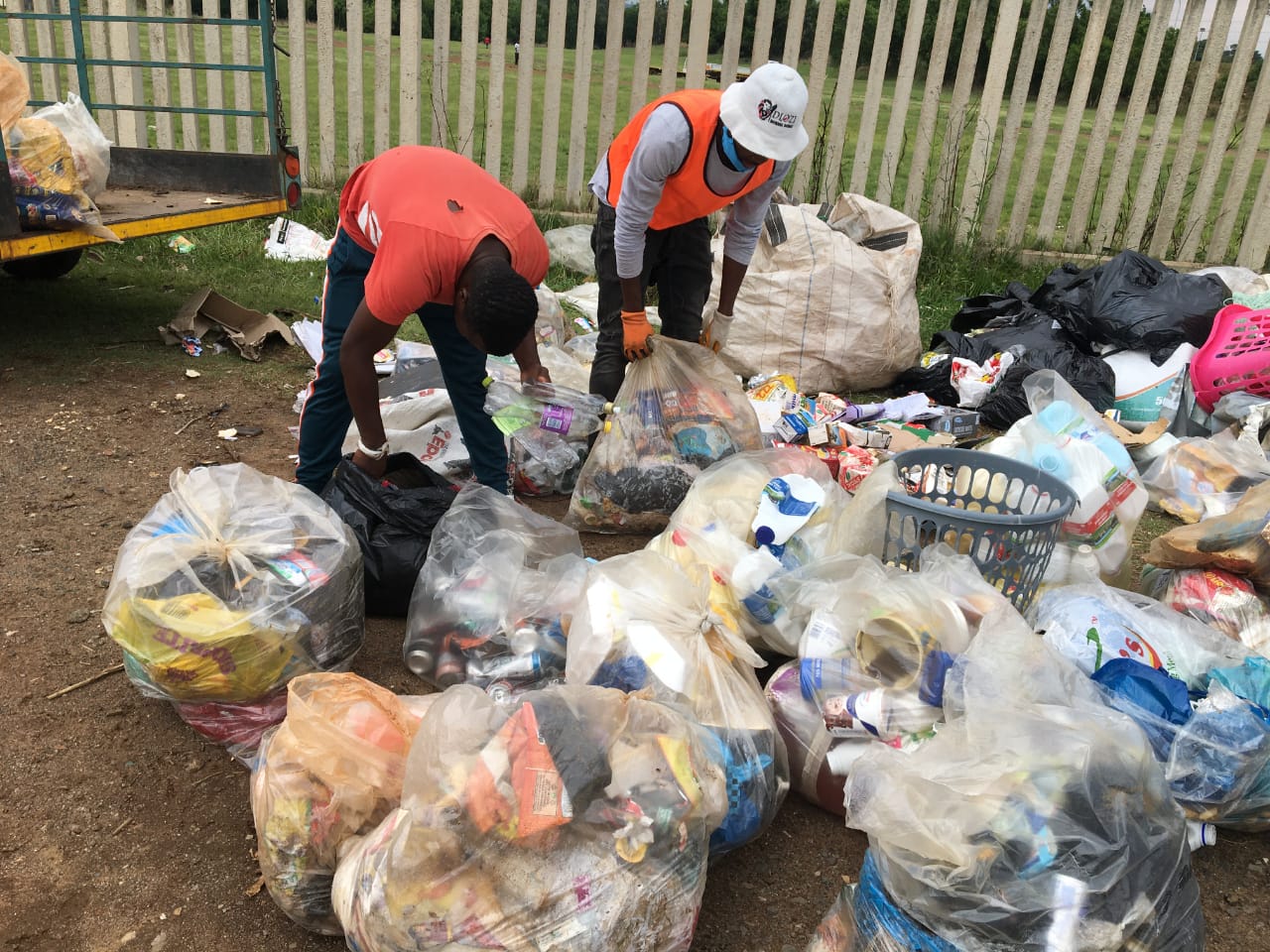
South Africa is fighting plastic pollution through various strategies and is advocating for a strong plastics treaty and promoting public awareness and education to encourage more sustainable practices.