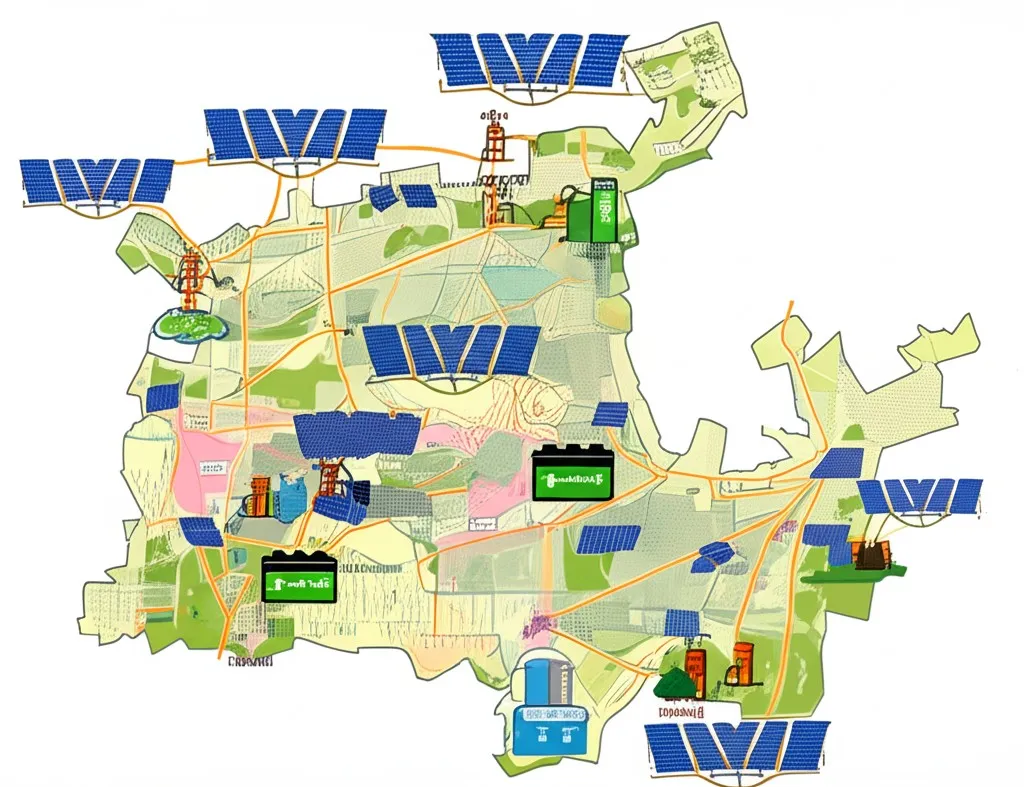
The City of Tshwane and the CSIR determined an ideal mix of solar, wind, battery storage, hydro, landfill gas and biomass energies as part of a recent study. These renewables could supplement the existing power supply from Eskom to help the city lower electricity prices, while meeting growing demand and emissions targets.
Sipho Mdhluli, an energy modelling expert at the CSIR’s Energy Research Centre, says the study also looked at how embedded generation can boost power security and create export revenues from excess power to the grid. Embedded generation refers to electricity produced close to where it is used and fed into the distribution network.
"The City of Tshwane is charting a new energy future, one that is cleaner, more affordable and resilient,” says Dr Nasiphi Moya, Executive Mayor of the City of Tshwane. “Our partnership with the CSIR brings science to the center of our energy planning, ensuring that every citizen and business benefits from smarter, sustainable power solutions."
CSIR researchers are now urging other municipalities to adopt science-based energy planning and modelling to help reduce emissions, prevent electricity theft and align with national electricity planning.
“The price of electricity has increased by more than 190% since 2014,” says Mdhluli, referring to data published by national power utility Eskom.
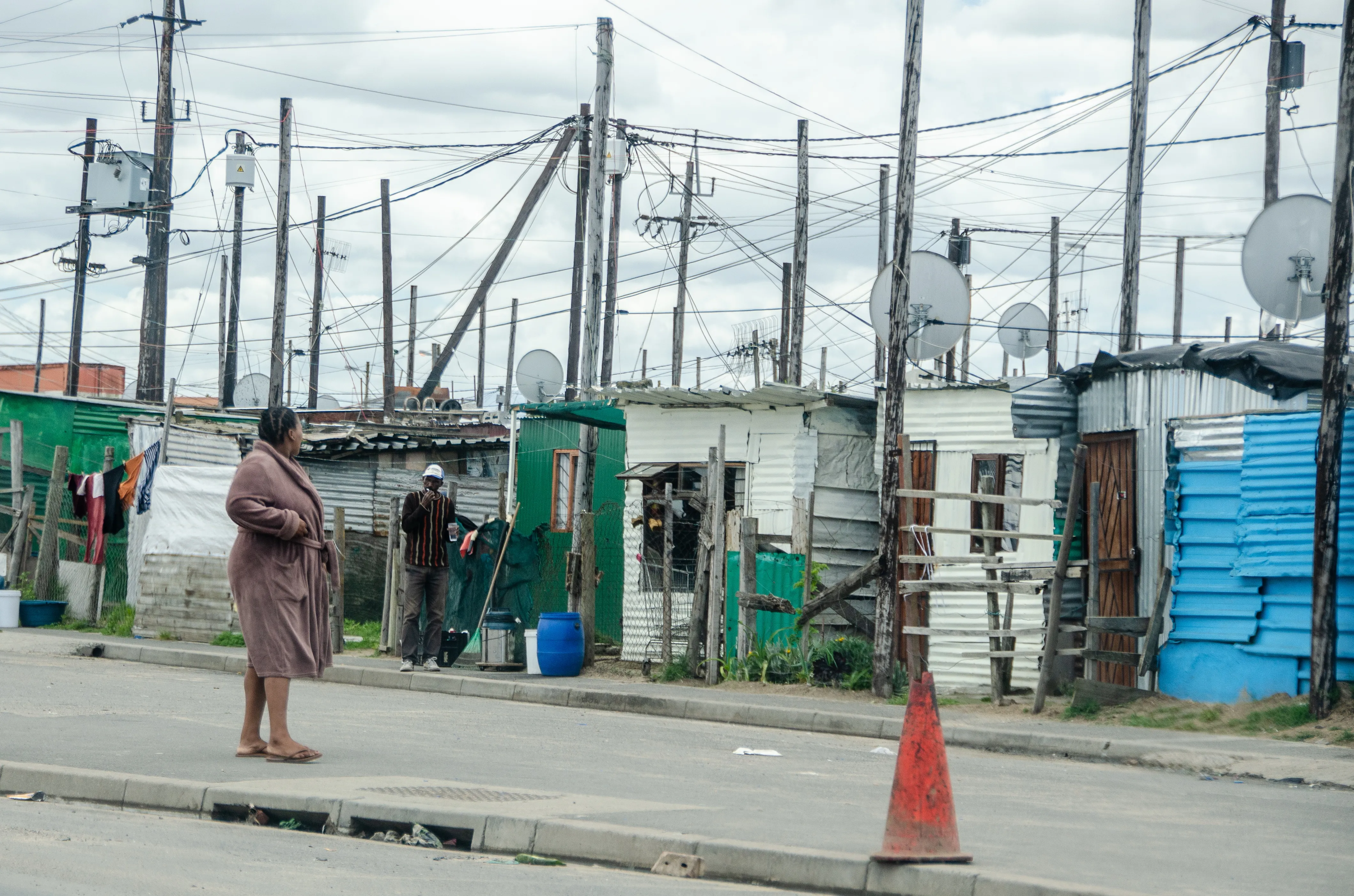
If the price of electricity continues to increase at a double-digit rate, it may reach a point where investing in a manufacturing plant in a city becomes less competitive compared to other regions worldwide. Furthermore, steep tariff increases pose a significant risk of escalating electricity theft as it becomes unaffordable.
“This will cripple municipalities and big utilities like Eskom in terms of revenue collection, which negatively impacts the sustainability of the utility/municipalities as there won’t be money for infrastructure maintenance,” he says.
Besides the high cost of electricity, emissions from coal-fired power plants are already causing devastation.
“Carbon emissions are harmful to the environment, and in places like Mpumalanga, several deaths have been reported that could be linked to toxic air pollutants from these plants, according to Human Rights Watch,” says Mdhluli.
The solution lies in harnessing cleaner energy resources without compromising the security and reliability of the electric power system, he says.
“Cities must explore competitive, clean sources such as solar photovoltaics, wind, biomass, landfill gas, as well as lithium battery storage,” says Mdhluli. “Time and time again, solar PV and wind generation resources are proving to be cheaper and can supplement conventional power plants in the studies we’ve done, and according to South Africa’s Integrated Resource Plan.”
In a positive step towards this goal, South Africa recently amended its Electricity Regulation Act to allow municipalities in good financial standing to procure power from independent producers. This means that all cities could take steps to incorporate cheaper, renewable power to mitigate steep tariff increases.
It is this new regulatory amendment that brought City of Tshwane officials to the CSIR in 2024 – the city wanted to introduce renewables to address regular power cuts, growing electricity demand and high electricity prices. In addition, the city aspires to become a low-carbon hub for manufacturing companies.
"As electricity costs soar and the need for climate action grows, Tshwane is embracing renewables not just as an alternative but as a foundation for energy security, economic competitiveness and a low-carbon future," says Moya.
Mdhluli explains that scientists can model power generation supply and demand balances chronologically, on an hourly basis, for the next 20 to 30 years. “The modelling tool we use can consider many variables, including costs and performance characteristics, emissions constraints, peak demand scenarios and the availability of solar and wind resources at different times.”
He says his team can even map potential locations for solar farms, battery storage and landfill facilities within a city.
“We consider the intermittent nature of renewables and provide the lowest cost optimisation to complement power from the grid in the least cost plan scenario. And even in cases where coal is cheaper, we can constrain the model to ensure that greenhouse gas emissions remain within a city’s climate action plan targets.”
The City of Tshwane is currently reviewing the energy mix and interventions recommended by Mdhluli’s team. The next step for the city will be to procure energy from independent power producers and to upgrade the city’s grid infrastructure to accommodate the additional supply in line with the plan.
Leveraging their skills in linear programming, data analysis and electrical engineering, his team is now assisting other municipalities with similar energy planning initiatives.
They have also recently secured a parliamentary grant to study competitive electricity markets and published a joint study with Eskom on the value of demand response in South Africa. This study examined stabilising the grid by encouraging consumers to use less electricity during periods of high demand.
“All of our work ultimately contributes to pathways for reducing carbon emissions, policy formation, lessening the impact of loadshedding and lowering electricity costs for citizens and businesses, and that’s the impact I would like to see,” says Mdhluli.
This work was commissioned by the City of Tshwane. It addresses SDG 7, SDG 10, SDG 11 and SDG 13.