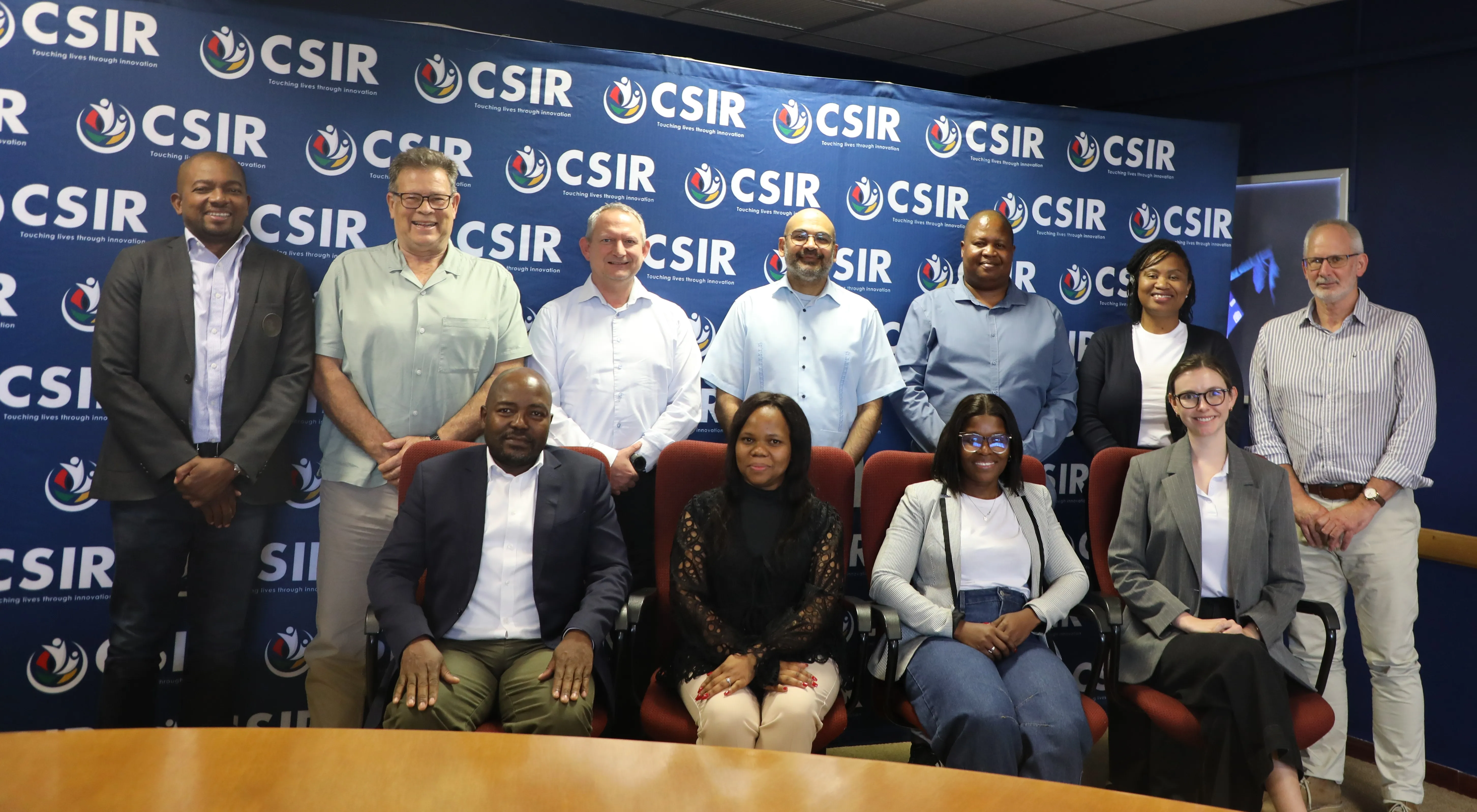
The CSIR Future Production: Manufacturing cluster recently convened a CSIR Manufacturing Industry Advisory Panel session, bringing together leading experts from the manufacturing sector to chart a strategic path forward. The session focused on defining the cluster’s role in revitalising the industry, enhancing competitiveness and driving sustainable growth. The discussions and strategic recommendations generated during the session are set to significantly influence the cluster's research and development priorities to ensure its continued relevance and impact in a rapidly evolving global landscape.
The cluster's leadership presented updates on key initiatives, including the recent advancements in advanced materials for delivering the first batch of stainless steel for additive manufacturing applications early this year.
The session, held at the CSIR Pretoria campus, was designed to facilitate collaborative dialogue and garner expert perspectives on critical challenges and opportunities within the manufacturing sector. Attendees engaged in discussions that focused on repositioning the cluster’s offerings in advanced materials and manufacturing to revitalise the steel and foundry sectors, among other topics.
Zamambo Afrika, Operations Manager for the CSIR Future Production: Manufacturing, highlighted the session's role in shaping the cluster's strategic direction. "Our advisory panel sessions are important for ensuring that our research and innovation efforts are directly aligned with the needs of industry and the broader South African economy," said Afrika. "The insights shared by our panellists provide us with a roadmap for developing impactful solutions that drive competitiveness and create sustainable growth."
The session was chaired by Prof. Robert Knutsen, the recently appointed Chairperson of the CSIR Manufacturing Industry Advisory Panel Committee. Knutsen, formerly the director of the Centre for Materials Engineering at the University of Cape Town, is a distinguished figure in the field of advanced materials and manufacturing. In his opening remarks, he underscored the importance of cross-sector collaboration and knowledge exchange in addressing current challenges in the manufacturing industry and unlocking new opportunities for innovation. "The future of manufacturing in South Africa hinges on our collective ability to innovate, adapt, and collaborate," he stated. "These Advisory Panel sessions serve as a platform for all stakeholders to work together to unlock the immense potential within our manufacturing landscape."
The discussions focused on how the cluster can best contribute to revitalising South Africa’s manufacturing landscape, boosting competitiveness and driving sustainable industrial growth. The insights and strategic recommendations shared during the engagement will guide its future research and development priorities, ensuring its work remains relevant, impactful and responsive to the evolving needs of industry in a rapidly changing global environment. The panel discussed strategies to strengthen local supply chains, foster domestic industrialisation and position South African manufacturers as competitive players in international markets.
The recommendations put forth by the advisory panel will now be reviewed to integrate them into the cluster's operational strategy. The cluster remains committed to translating these insights into practical programmes that deliver tangible benefits to industry and society, starting with an impact area-focused strategic session that resumed a week later.