Building on over 90 years of zero-harm mining innovation, this machine is the latest addition to the CSIR’s Cottesloe labs in Johannesburg.
All underground miners in South Africa carry self-contained self-rescuers to provide oxygen in emergencies. By law, these devices must be tested at the CSIR to ensure every batch conforms to the highest safety standards so that lives may be saved.
"These are rescue devices that miners carry underground,” says Peter Rowlands, the business manager of local firm Afrox’s self-rescue division. “They carry them 100% of the time that they're on shifts. They are carried on their belts, and they are intended to provide them with oxygen in the event of an emergency when they can't breathe.”
To test whether the device will provide enough oxygen, stay cool, be easy to breathe from and last long enough for the wearer to get to a place of safety, Afrox submits samples from every new batch to the CSIR.
“The CSIR’s self-contained self-rescuer lab in Cottesloe is the only one in the country, and likely in the SADC region,” says the CSIR’s Micheal Sehlabana, who manages the Johannesburg-based laboratory.
Upon arrival at the lab, the devices are fitted to a humanoid breathing simulator for testing. While the latest machine to be added to the lab has a human head form, these machines are humanoid in the sense that they mimic a human’s breathing almost precisely.
“If you put your hand in front of its mouth or outlet pipe, you can feel the breath,” says Riaan Bergh, a mechanical engineer and testing expert at the CSIR. “What makes it special is that it exhales at the same temperature, humidity and rate as a human, and when it inhales, it measures how difficult or easy breathing is.”
The machine’s artificial lungs also dose the out-breath with carbon dioxide (CO2) from a cylinder. This is to test whether the self-rescuer device binds CO2, to maintain easy breathing of oxygen for its human wearer – an important aspect considering that the device creates a closed or isolated system, meaning that no oxygen can enter and no CO2 can escape into the surrounding air.
“We simulate the breathing of a human being and then we monitor the oxygen and carbon dioxide levels,” explains Sehlabana. “We also monitor the temperature that is generated throughout the test, and we look at the breathing resistance, which is the difficulty of breathing from such a device.”
The team also checks the duration of oxygen supply from the device and compiles all the data into a report sent directly to the mine where the device will be used.
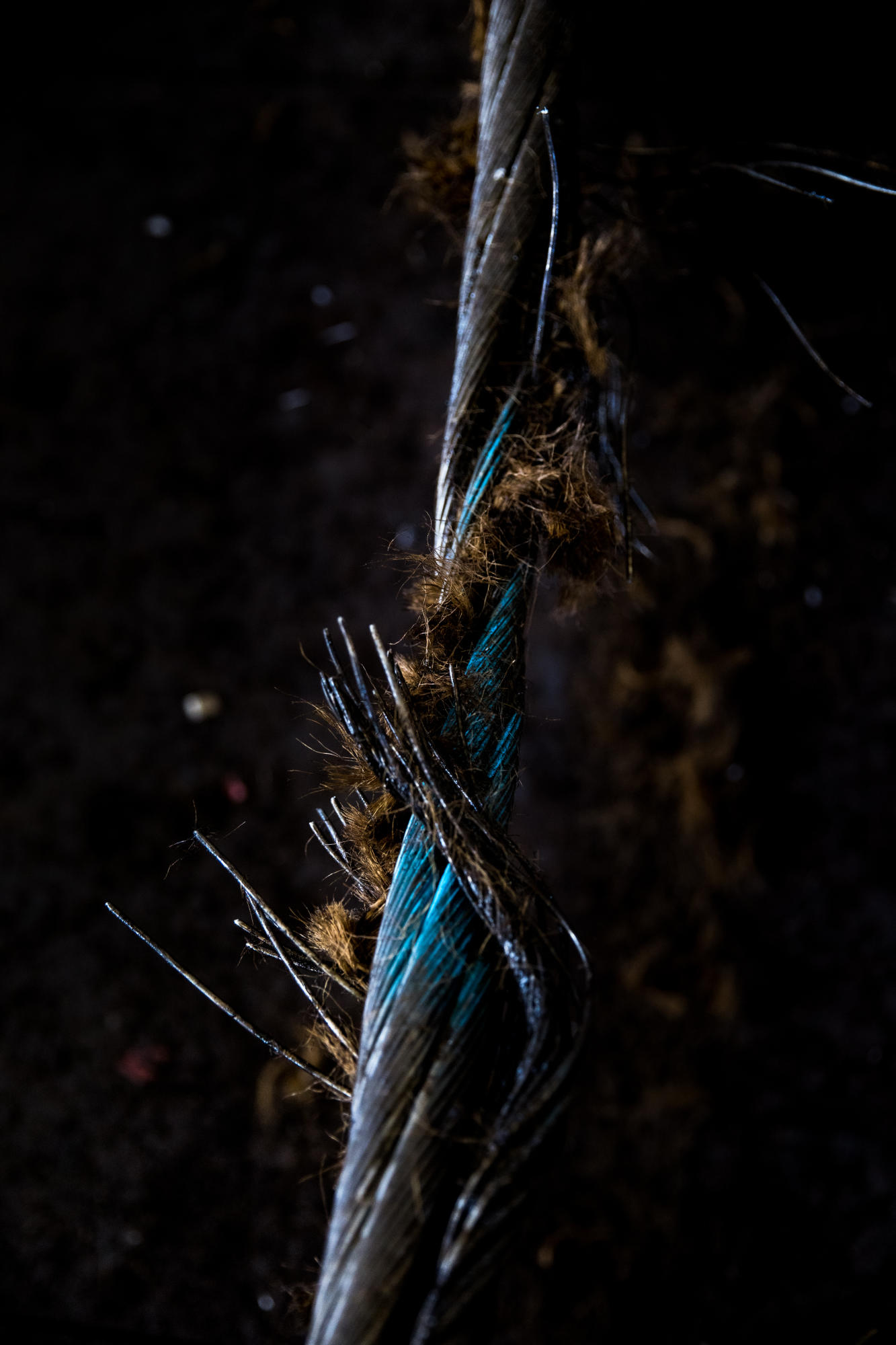
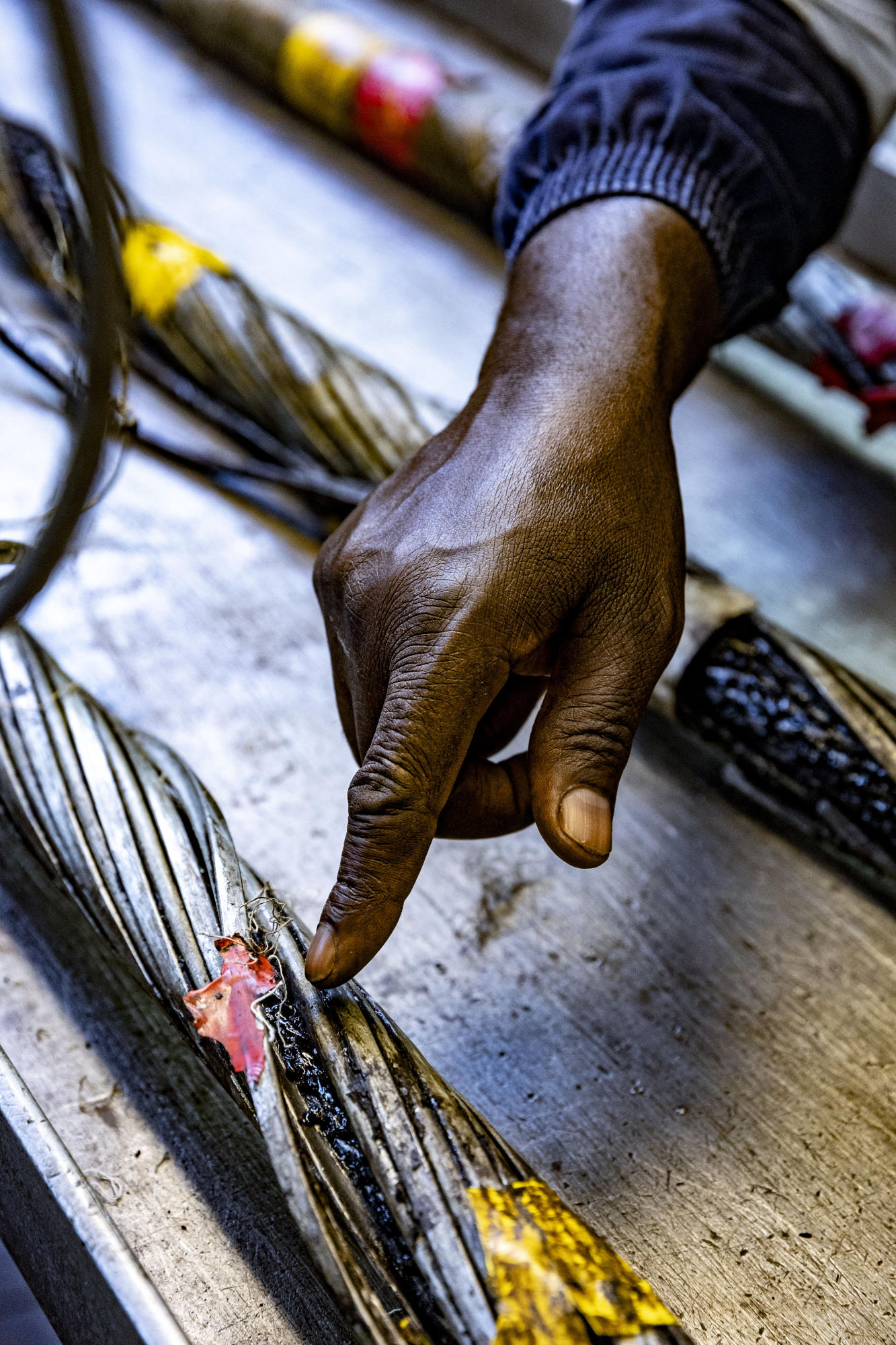
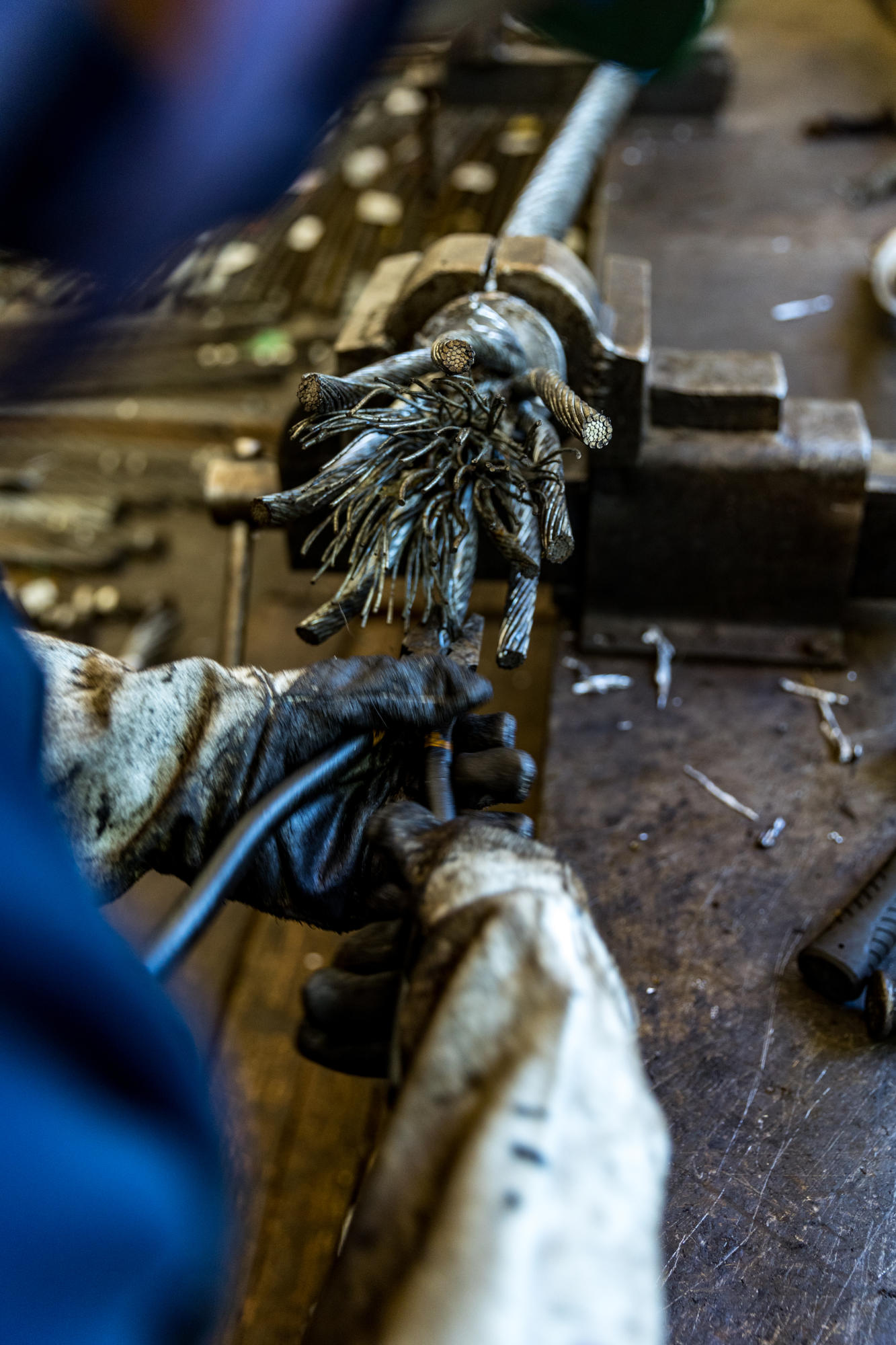
The CSIR Cottesloe rope testing lab provides a critical service for the mining industry: testing of steel winder ropes used to lift or lower people and goods underground, ensuring they can safely withstand massive forces.
Sehlabana says that the testing is therefore an independent safety confirmation that miners, mine officials and authorities rely on.
“These CSIR laboratories are one of their kind - they are unique because regulators, in this case the Department of Mineral and Petroleum Resources, rely on our results,” he says.
“We are pretty much joined at the hip,” adds Peter, referring to the extent and quality of testing Afrox requires from the CSIR. “We've got facilities to do the testing ourselves, but we really need to have that independent testing that the industry seeks from us.”
Sehlabana says the Cottesloe labs also provide two other critical services for the mining industry, namely testing of steel winder ropes used to lift or lower people and goods underground, and mechanical testing of mining supports, safety hooks and many other mechanical products that need structural testing.
“The mechanical lab opened its doors in 1935, so we have really been driving mining innovation for over 90 years,” he says, adding that there is no other facility in South Africa that can test self-rescuers; none that can test the steel winder ropes to the forces of 15 mega Newtons; and none that can test lifting tackle or electrical conductors that are 25 m long.
“The CSIR also continues to invest in the Cottesloe facilities, including a new visitors reception for clients who deliver test items or who want to witness the tests, and we invite power distribution line contractors, civil construction companies and heavy lifting and machine moving contractors in particular to come and explore our mechanical testing lab’s offerings,” says Bergh.
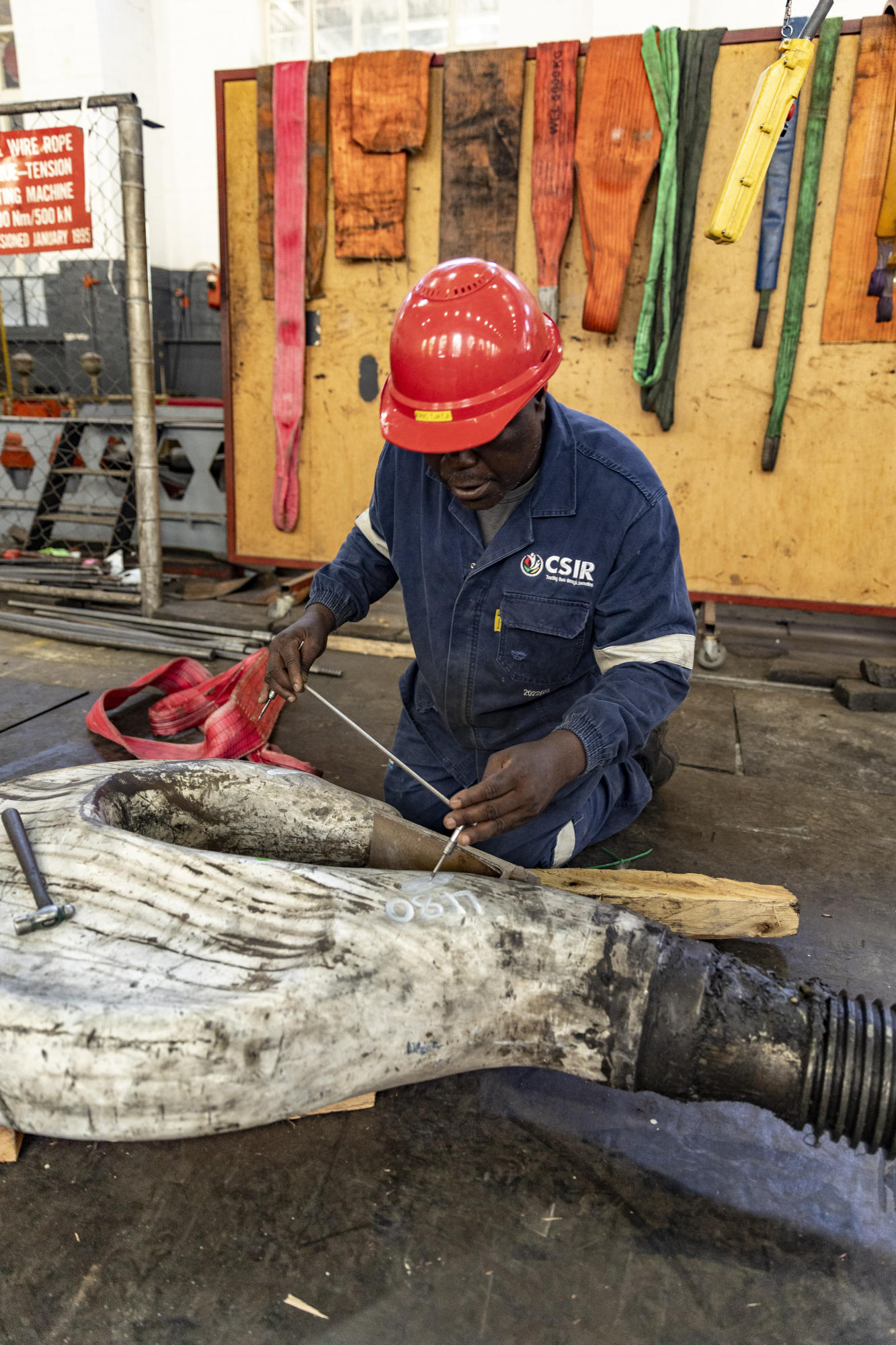
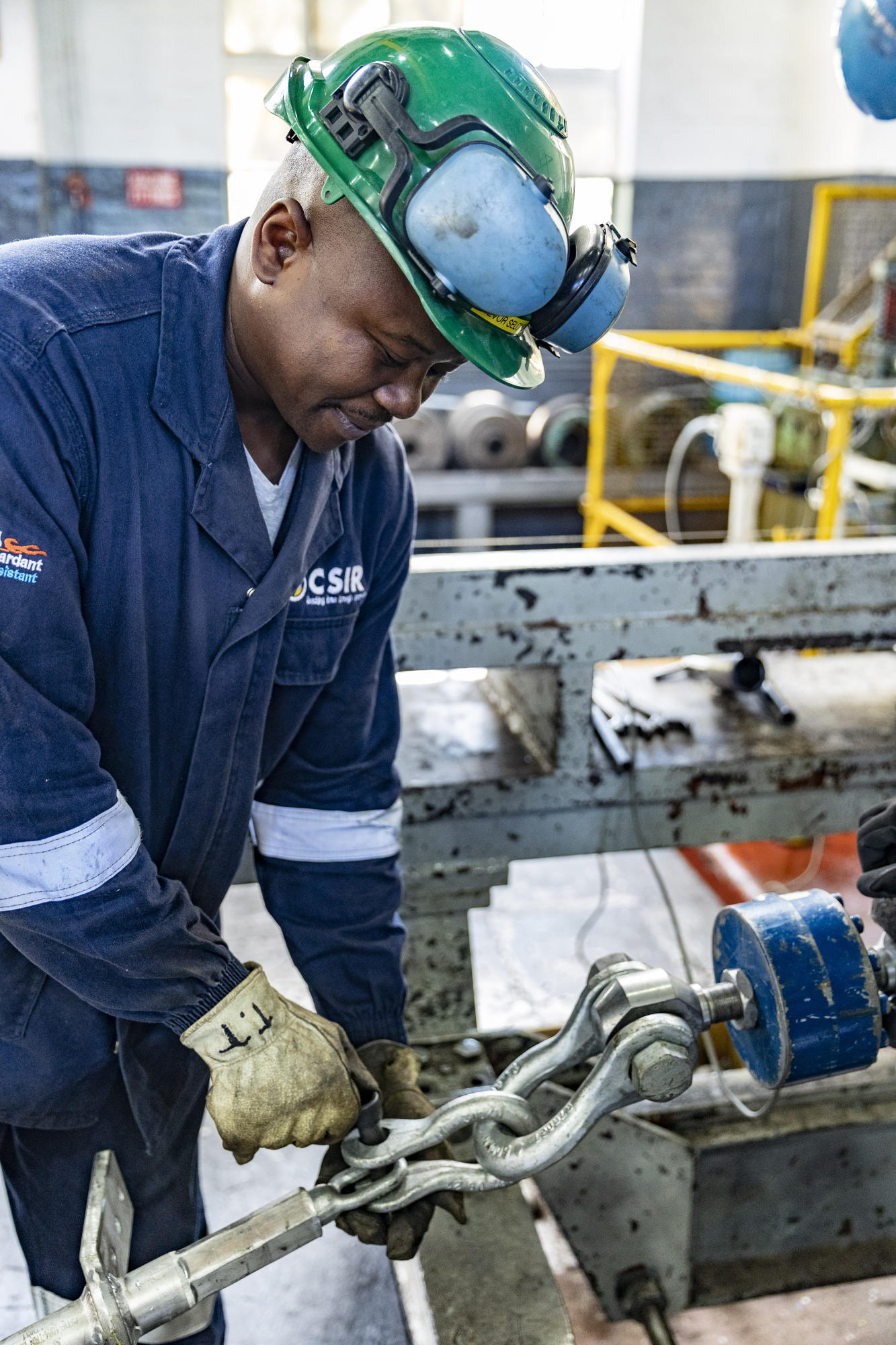
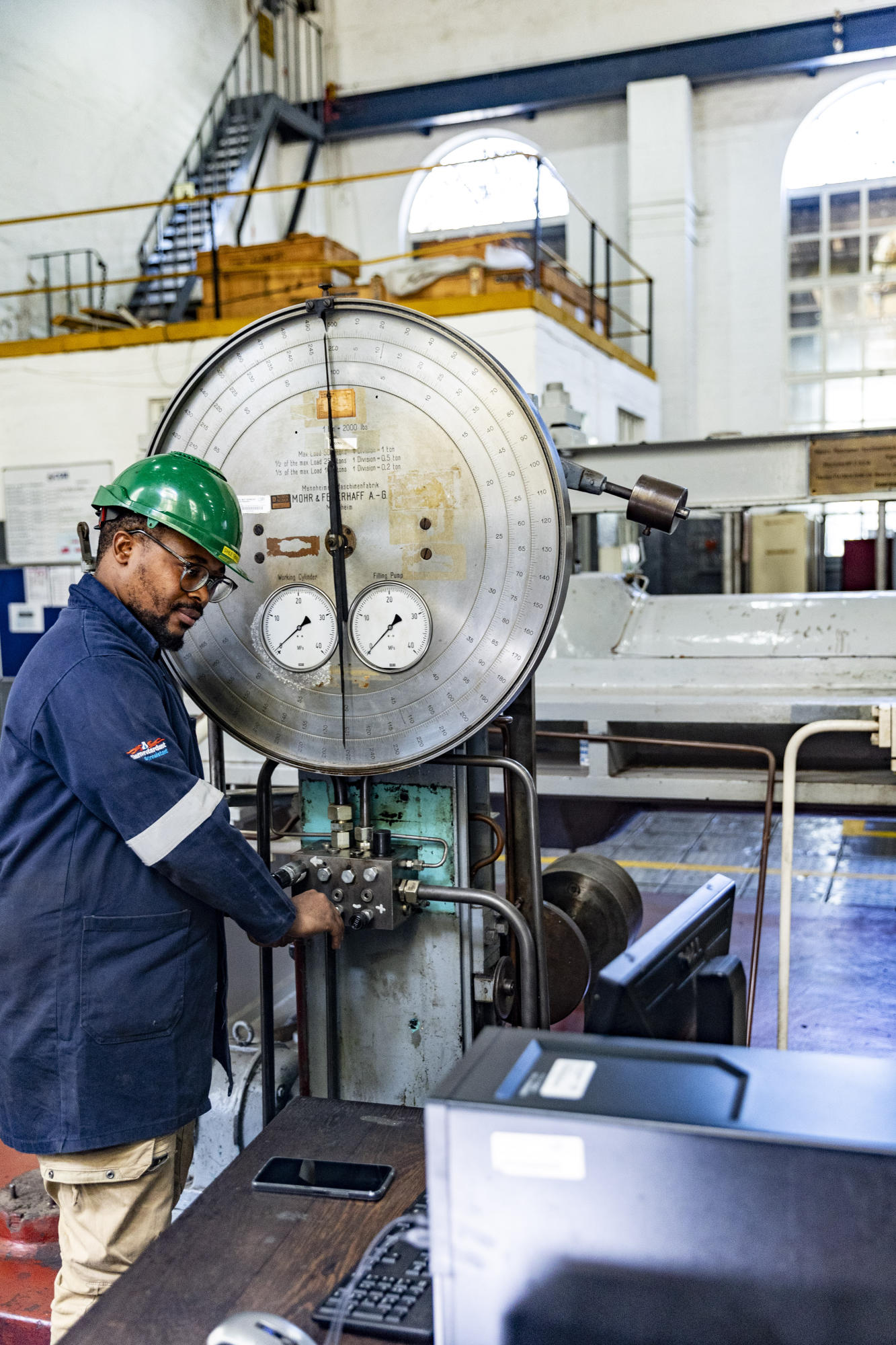
The CSIR Cottesloe mechanical testing labs have been driving mining innovation for over 90 years. It provides mechanical testing of mining supports, safety hooks and many other mechanical products that need tensile and compressive testing.
He adds that besides Afrox, other major self-rescuer manufacturers like DEZEGA and Dräger rely on the CSIR’s self-contained self-rescuer testing lab, while rope suppliers of brands like Haggie, Bridon, Kiswire, Verope, Teufelberger-Redaelli and WireCo are long-term partners of the rope testing lab.
“This facility is very important to the South African economy because the work that is done here has an influence on how policies are developed, how zero harm is achieved in the mining industry and how manufacturers do their research and development,” says Sehlabana.
Another CSIR facility that promotes safety in the mining industry is the Kloppersbos fire and explosion testing and training facility located north of Pretoria. It offers competency-based training in mine emergency response, explosibility characterisation of coal dust and various industrial dusts, large-scale explosion suppression testing, fire testing of conveyor belt and batteries and coal dust explosion safety awareness training.
More information about our research, facilities and services: https://www.csir.co.za/what-we-do/mining/mine-testing-and-training-services
Contact Person:
Riaan Bergh, @email
Michael Sehlabana, @email