The inefficiency of food systems in sub-Saharan Africa was a topic of deliberation at the 9th Regional Food Loss and Waste Workshop held in Pretoria in October 2025. The gathering forms part of a wider G20 initiative to strengthen food systems and reduce hunger across the African continent, and assembled representatives from Germany, New Zealand and South Africa to share strategies for improving food security and reducing waste across sub-Saharan Africa.
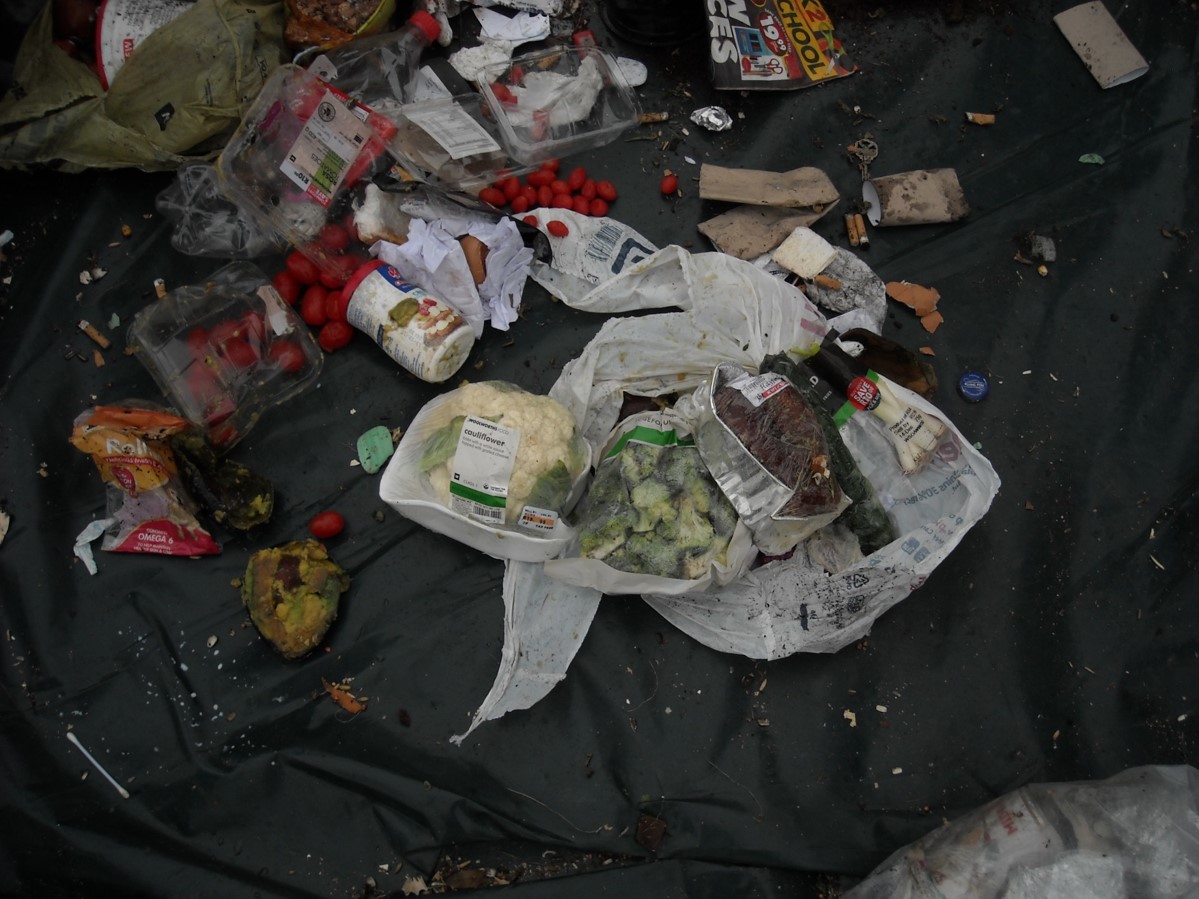
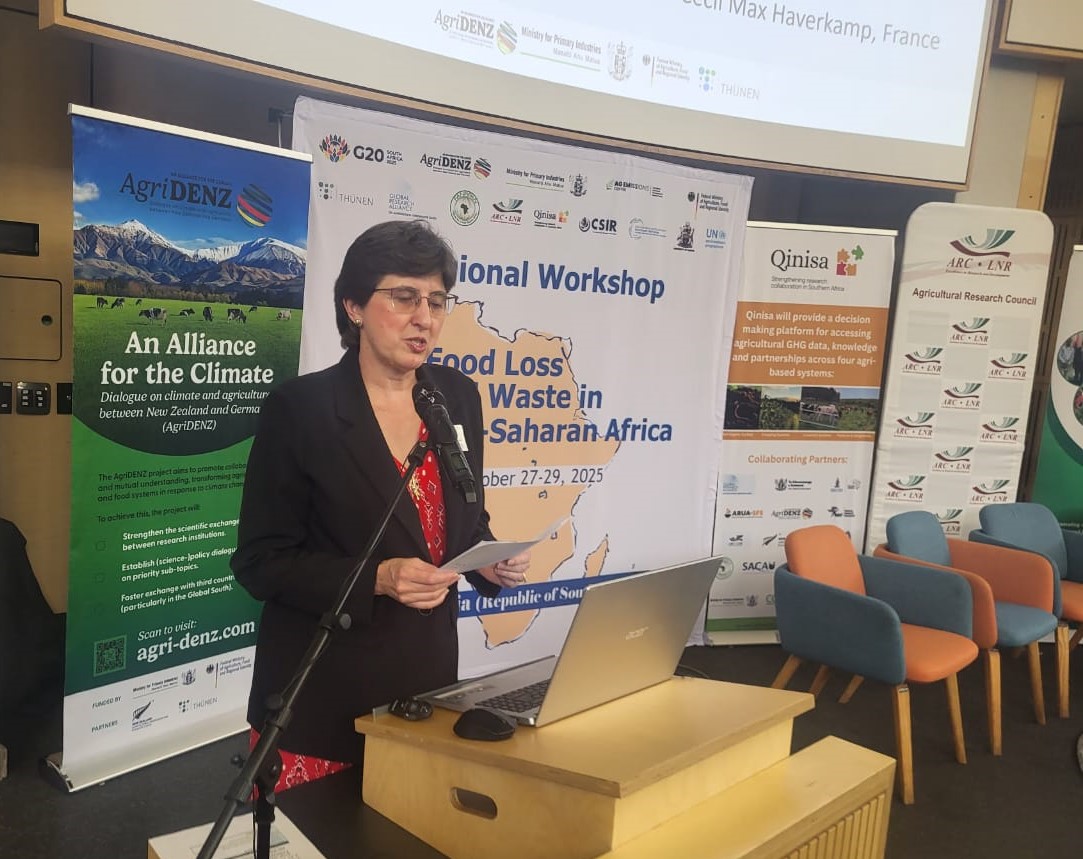
“CSIR research published in 2021 revealed that approximately 10.3 million tonnes of edible food in South Africa does not reach the human stomach. That is an astounding 34% of all food produced in South Africa,” says CSIR principal researcher Prof. Suzan Oelofse. Oelofse delivered the opening remarks to highlight the scale of food loss and wastage in the country, where about 30% of its citizens are food insecure. This raises concerns about excessive price volatility and persistent food inflation, which affects the poor the most.
While setting the scene to unpack matters of food loss and waste prevention in sub-Saharan Africa, Oelofse says, “And if you consider that South Africa exports quite a substantial amount of the food it produces, the food losses and waste equate to 45% of the food that is available for consumption in the country. This should make us realise how inefficient our food systems are.” The combined inefficiencies throughout the supply chain, which also includes issues of food storage, contribute to major losses, which the G20 countries are challenged to improve upon.
Sub-Saharan Africa faces significant food losses and waste, highlighted CSIR principal researcher Prof. Suzan Oelofse at a G20 regional workshop held in Pretoria from 27 to 29 October 2025 (Credit: Suzan Oelofse)
Led by the governments of Germany, New Zealand and South Africa, the workshop was a collaborative initiative on food loss and waste prevention in sub-Saharan Africa, and a stepping stone for the agricultural sector, which has held various strategic meetings in preparation for the G20 Johannesburg Summit planned for 22 to 23 November 2025.
Oelofse also chaired a session that focused on the policy dimensions of food loss and waste, with presentations highlighting progress in South Africa, Kenya, Tanzania and Zimbabwe.
Oelofse and CSIR researcher Sihle Matinise joined various breakaway sessions where they contributed insights and strategies to promote food security and combat waste, in line with the country’s commitment to support the Sustainable Development Goal 12.3 target of halving per capita food waste and reducing food losses along supply chains by 2030.
The workshop provided an invaluable platform to share knowledge, formulate solutions and establish best practices to collectively advance prevention strategies across the sub-Saharan region. It also encouraged participants to urge governments to invest in stronger storage infrastructure, promote sustainable farming methods and support initiatives aimed at cutting household and retail waste.
Prof. Suzan Oelofse drew attention to some staggering statistics on food loss and waste in South Africa (Credit: Suzan Oelofse)