The fourth iteration of an assessment of South Africa’s biodiversity drew on the expertise of more than 490 experts. It points out that the protection and sustainability of the country’s biodiversity can benefit from multifaceted approaches.
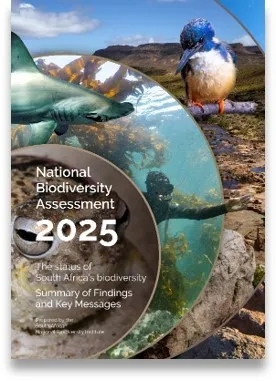
The National Biodiversity Assessment (NBA) 2025 was launched by Deputy Minister of Forestry, Fisheries and the Environment, Bernice Swarts, in December 2025. The assessment will support decision-making processes covering land and seascapes across multiple sectors that contribute to national development priorities. To guide the next decade of action, the scientific product provides a status assessment of South Africa’s diversity of species, genes and ecosystems.
In a series of high-level overview presentations on emerging, prominent biodiversity discoveries and breakthroughs across the country’s biogeographical realms, the South African National Biodiversity Institute (SANBI) hosted the launch, attracting the attendance of several scientific partners.
“The CSIR is proud to have partnered with SANBI and Nelson Mandela University for the NBA 2025. It represents a critical resource that continues to guide our efforts to monitor and report on cross-realm pressures impacting people and the country’s biodiversity,” says CSIR principal researcher Dr Lara van Niekerk, the scientific lead for the NBA 2025’s estuaries realm. In collaboration with key research organisations across South Africa, Van Niekerk and CSIR coastal systems researchers focused on estuaries and also provided technical input in the coastal and freshwater realms.
In its digital and new website format, the NBA 2025 allows users to access in-depth analyses and statistics for terrestrial, freshwater, estuarine and marine realms, as well as the coastal zone and South Africa’s subantarctic territory, in real-time.
Over the past few years, innovative conservation efforts, such as entering biodiversity stewardship agreements with landowners, have advanced land-based protection area expansion efforts, highlighting the role private landowners can play.
South Africa may have high levels of species endemism, but many of the country’s natural endemic endowments are facing decline. Previous assessments published in 2018, 2011 and 2004 unveiled an upward trajectory of pressures and patterns impacting South Africa’s biodiversity.
The country’s network of 42 marine protected areas along its territorial waters makes a positive contribution to increasing coastal protection. However, little progress has been made on estuary protection, as Van Niekerk points out that further action is possible to improve the overall condition and protection levels of the most threatened ecosystem types in the aquatic environment - estuaries and freshwater ecosystems.
“Estuaries in particular face a wide range of pressures that impact them directly, as well as pressures from their upstream catchments and adjacent marine environment, she says. “Flow reduction and pollution not only affect estuaries’ ability to provide ecosystem services but also impact aquatic biodiversity. In addition, the escalating use of cheap online illegal gillnets has severely impacted estuarine food webs over the past five years, reducing nursery function and food security. Poorly planned coastal development also contributes to a decline in ecosystem services to local communities.”
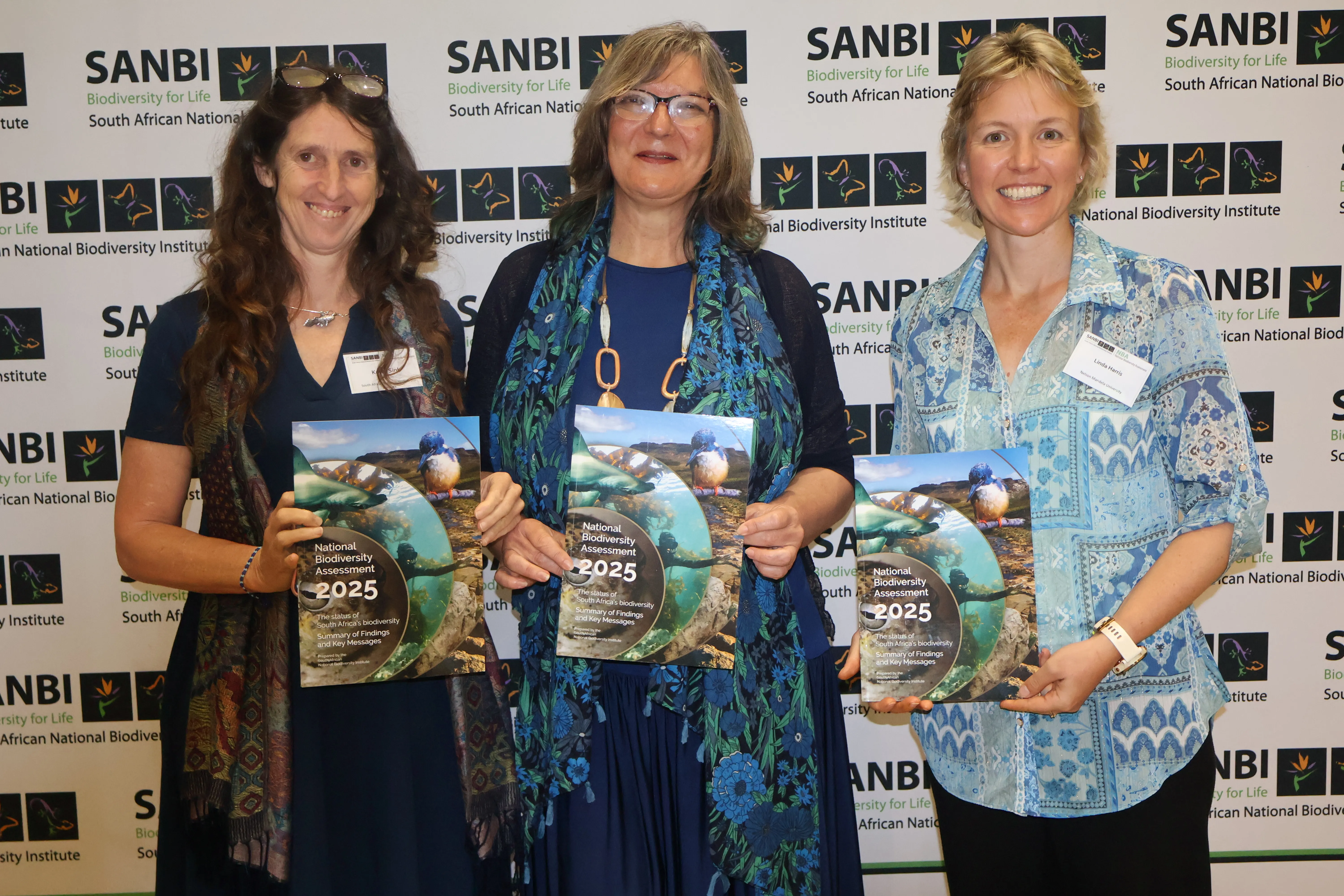
The NBA 2025 stresses that water flowing into the sea is not wasted and that there is an urgent need to recognise and regulate this requirement, an aspect addressed in CSIR work funded by the Parliamentary Grant.
South Africa’s NBA journey boasts a 20-year legacy that continues to be refined and expanded over the years. It is the first country to assess its biodiversity ‘wall-to-wall’, in other words, from land to sea. Its world-class approach is being recognised and is now the subject of a guide available in an e-learning course and in French. “The NBA reflects South Africa’s global leadership in this type of scientific assessment and our vast network of collaborators and partnerships across the country,” she says.
“Let us take a moment to appreciate what the NBA 2025 represents and the story it is telling us about our valuable biodiversity resources,” Van Niekerk says. To leverage future opportunities, the NBA digital platform will enable CSIR researchers’ plans to expand assessments of coastal and estuarine species and habitats. Currently, they are exploring options to formalise the International Union for Conservation of Nature Red Listing for Ecosystems as a policy tool in estuarine environments, along with plans to support future renditions of the NBA.