Tactical mobility
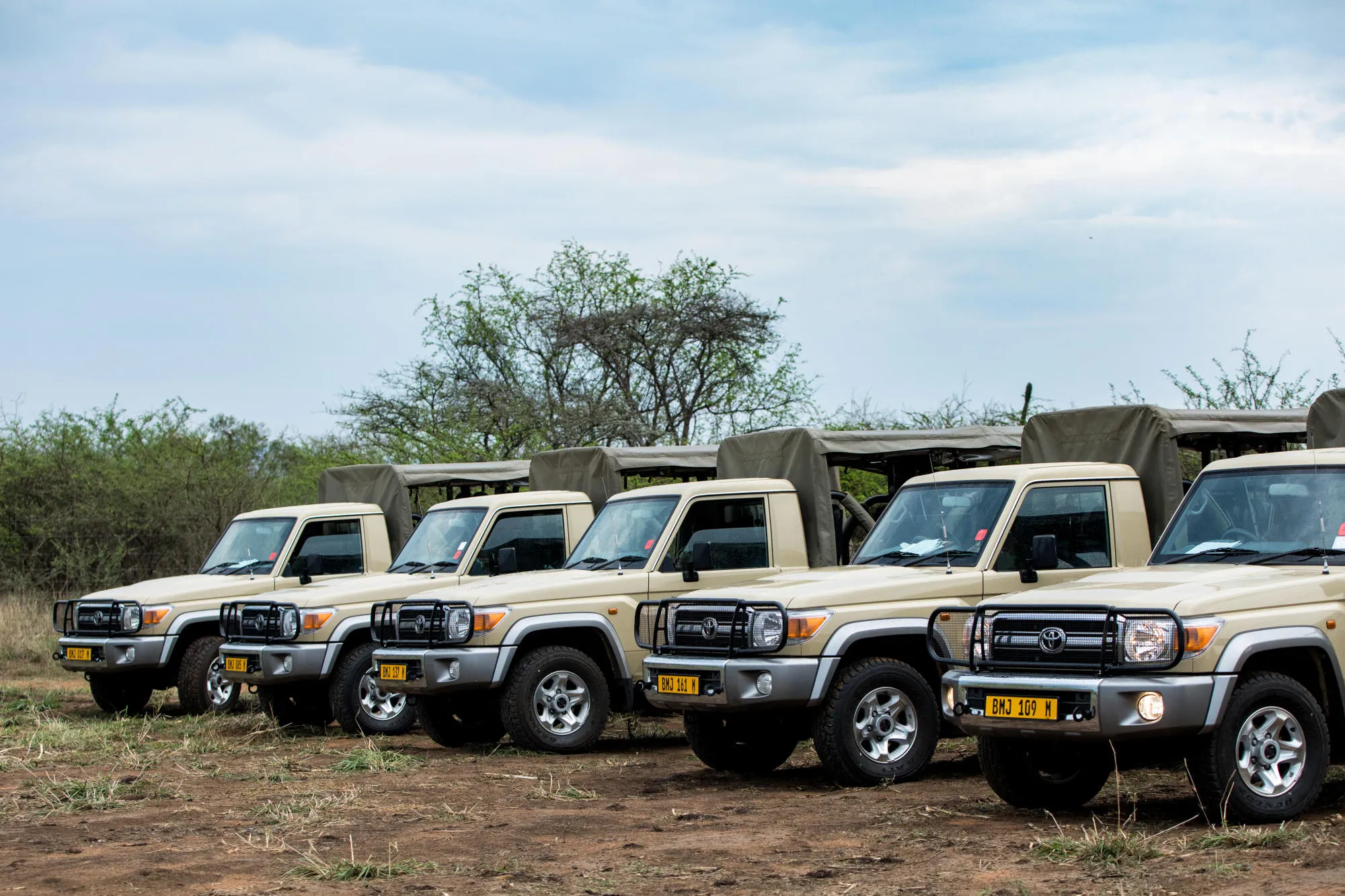
Optimal mobility solutions necessitates an understanding of the operational requirement, the terrain to be covered, and vehicle suitability. Often, cost factors require that existing vehicles be adapted for new uses. In such cases, a standard vehicle becomes a mobile command centre, a troop carrier, an ambulance or a supplies platform. The outcomes have to ensure a balance between safe and effective mobility solutions and relative comfort and ease of handling. The CSIR has designed breakthrough protective concepts for military and cash-in-transit vehicles that are still in use today.
Contact information:
Our capabilities
Independent research into vehicle mobility, includes the following:
Vehicle dynamics and mobility modelling
Roll-over stability of protected military vehicles
Tyre other vehicle sub-systems characterisation and modelling
Terrain data capturing and modelling
Controllable suspension research
Ride comfort and handling compromise
Dynamic control of autonomous vehicles
Hybrid electric drivelines technologies
Our research
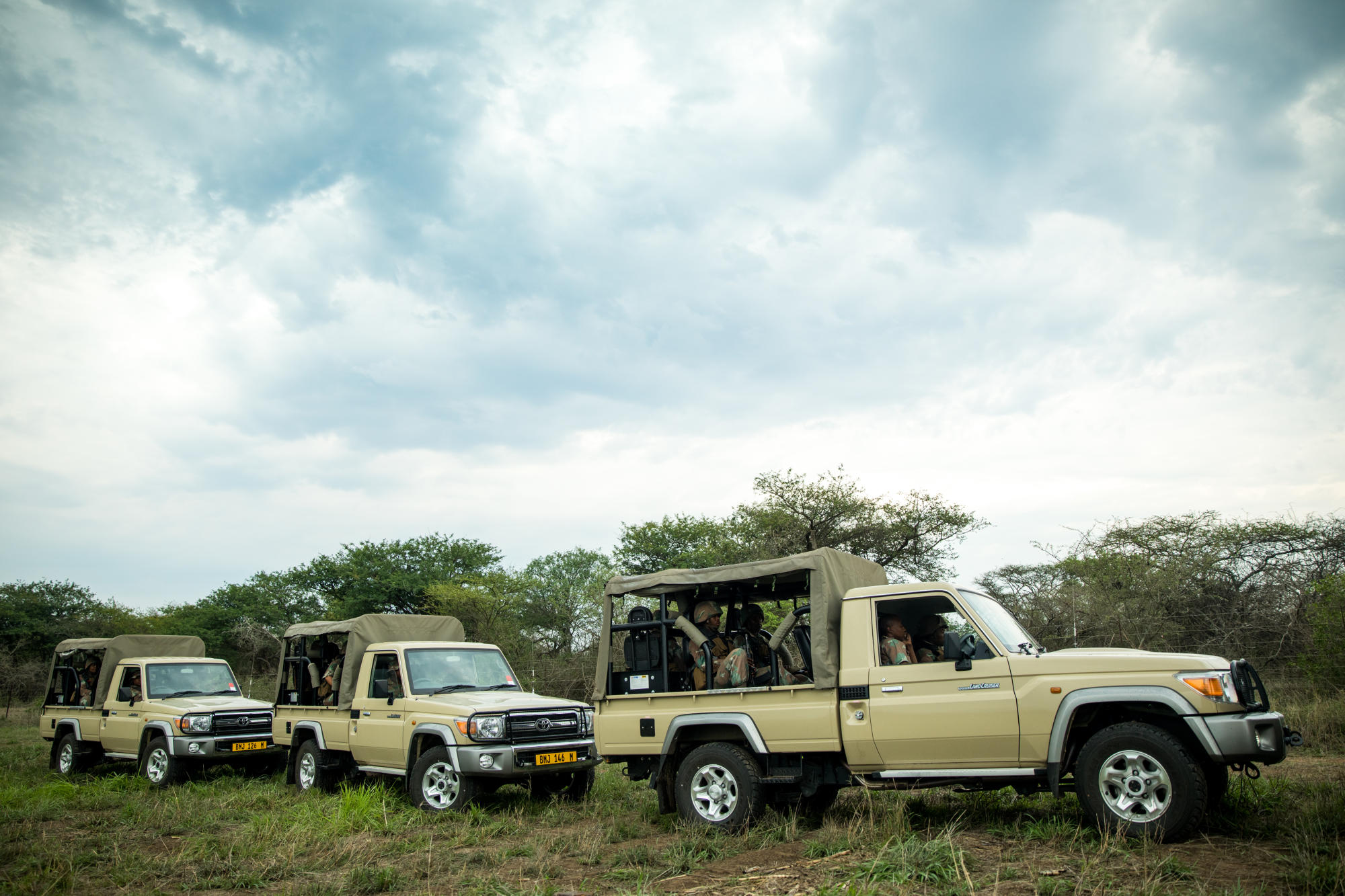
In vehicle mobility, the requirement goes beyond conventional combat use, including duties such as patrolling, command and troop carrier configurations and support to humanitarian operations, disaster relief, peacekeeping and border security. Aside from the challenges of distance and speed or the roughness of terrain, vehicle mobility cannot come at too high a price in terms of custom design, energy use, pollution or environmental impact.
Our offerings
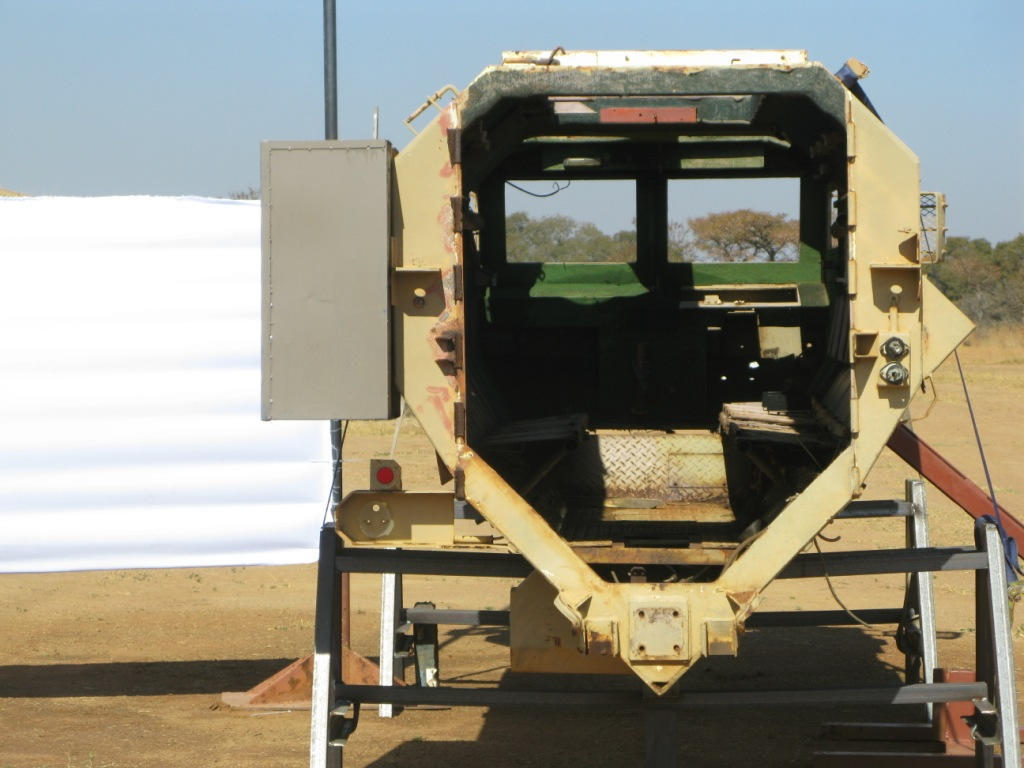
Add-on technology adds security but not weight
Many protection solutions have a high aerial density, adding weight, reducing mobility and limiting payload capacity. Our side-impact protection package for explosive devices offers the same level of protection as 50 mm thick conventional steel armour without reducing mobility. The package consists of two distinct and separate technologies that, when combined, deliver the desired protective capability. It has been used by security forces during peacekeeping missions.
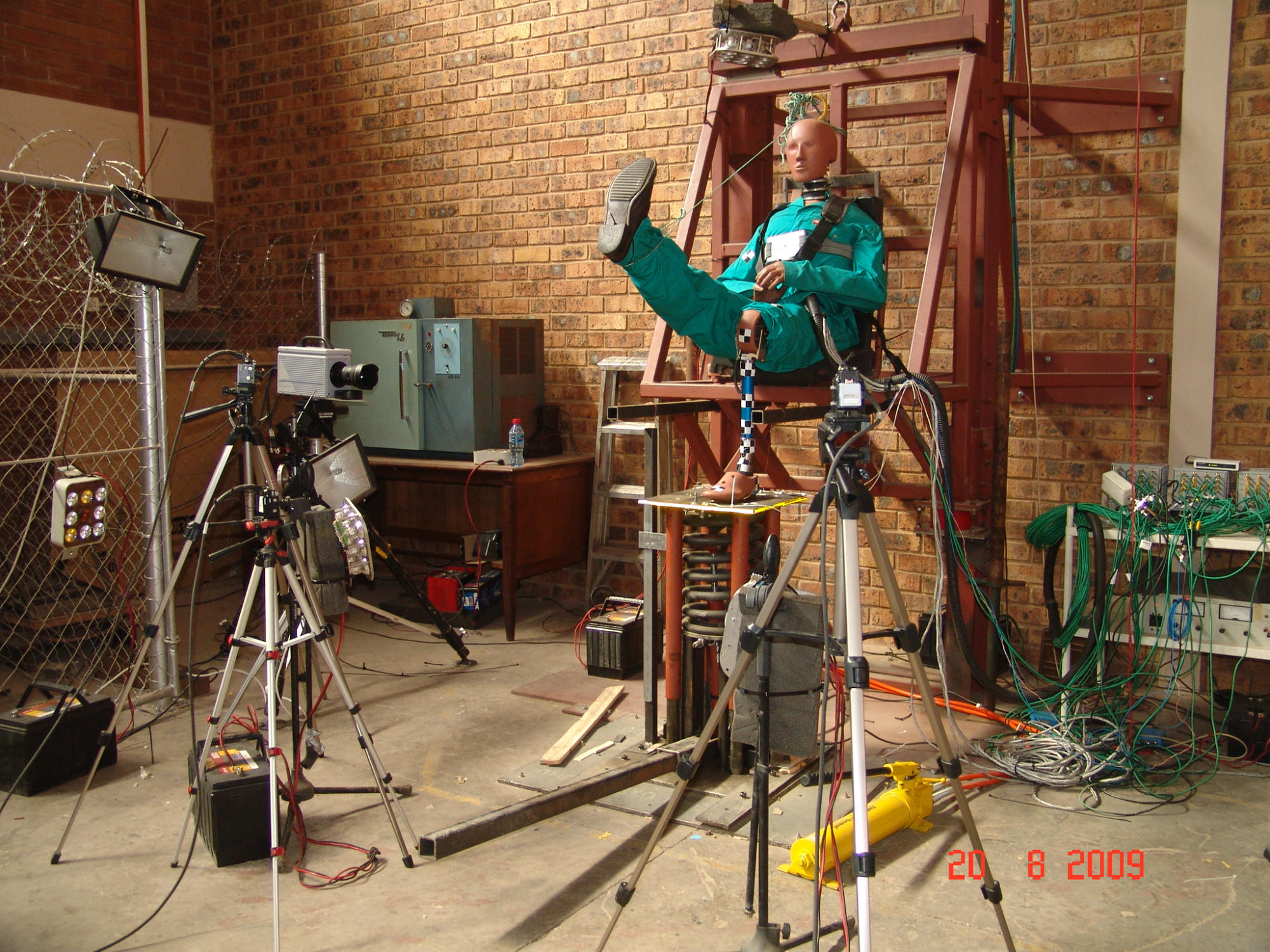
Human response protected seat research
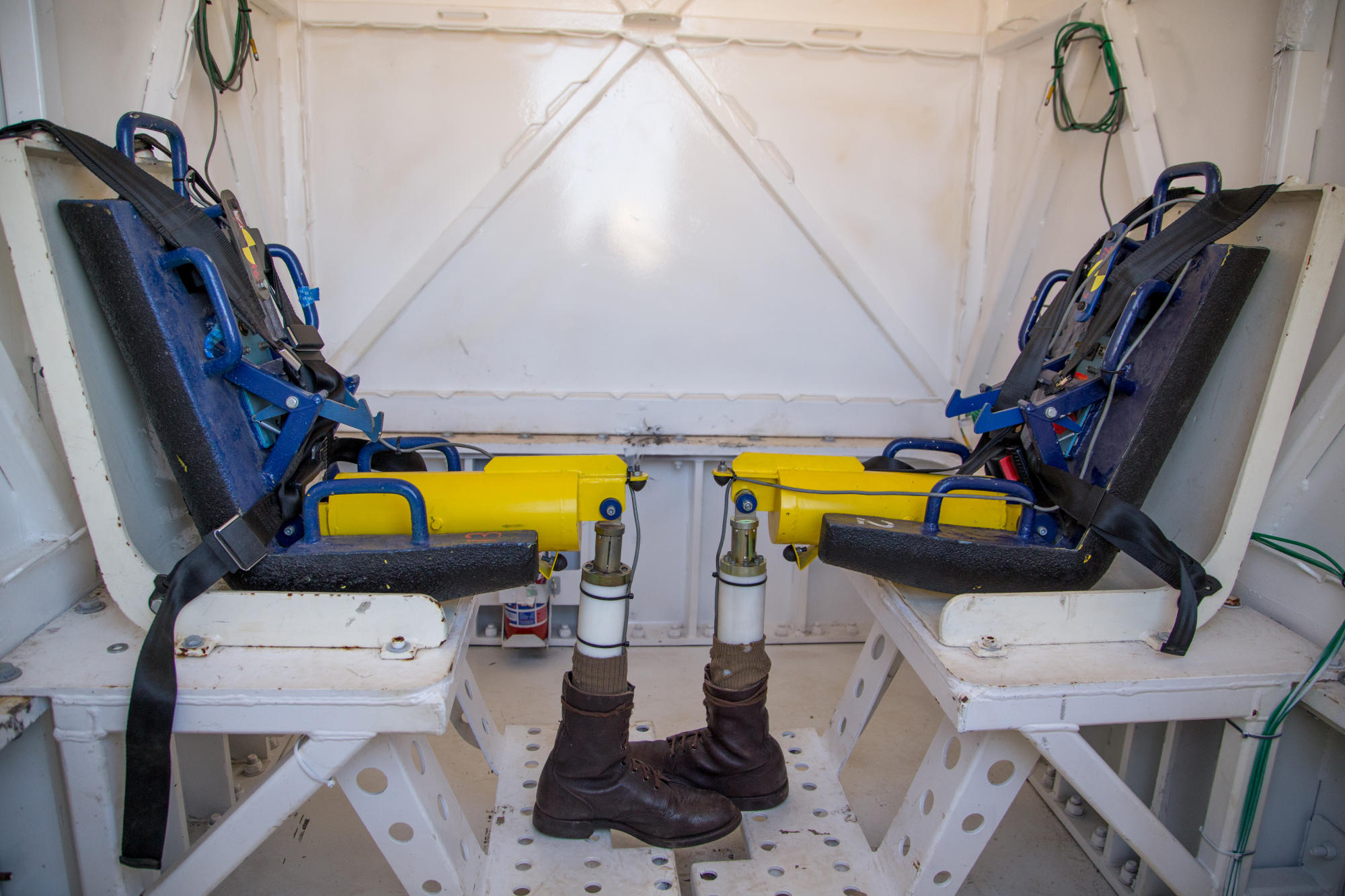
Our work led to the development of a hydraulic test methodology to accurately represent blast loading of a seat in a laboratory environment, in repeated tests. Although the primary concern is soldier protection, this methodology can also assist in improving ergonomics and ride comfort, which are seldom heeded in current seat design.
Science that informs vehicle design
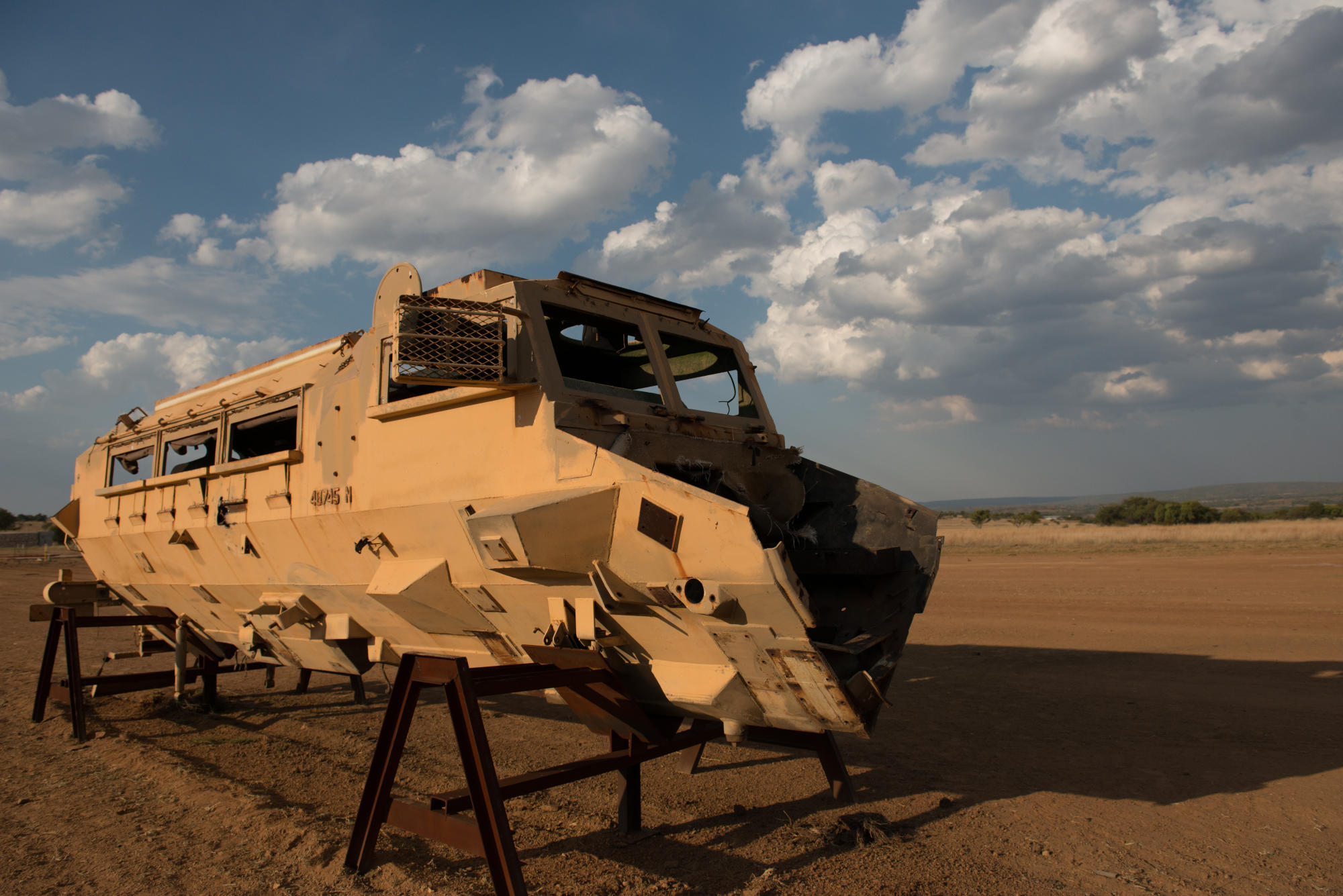
Much of the focus in vehicle design is on the vehicle hull – such as optimal ground clearance, the V-shaped hull, widened axle length and blast deflectors (in the wheel arches). To improve the protection of occupants, the choice of seats and footrests is also receiving attention. Our team monitors new threats with a view to developing new protection concepts. Commercially available mobility technology is also increasingly assessed for the military domain.
Demonstration platform for mobility packages
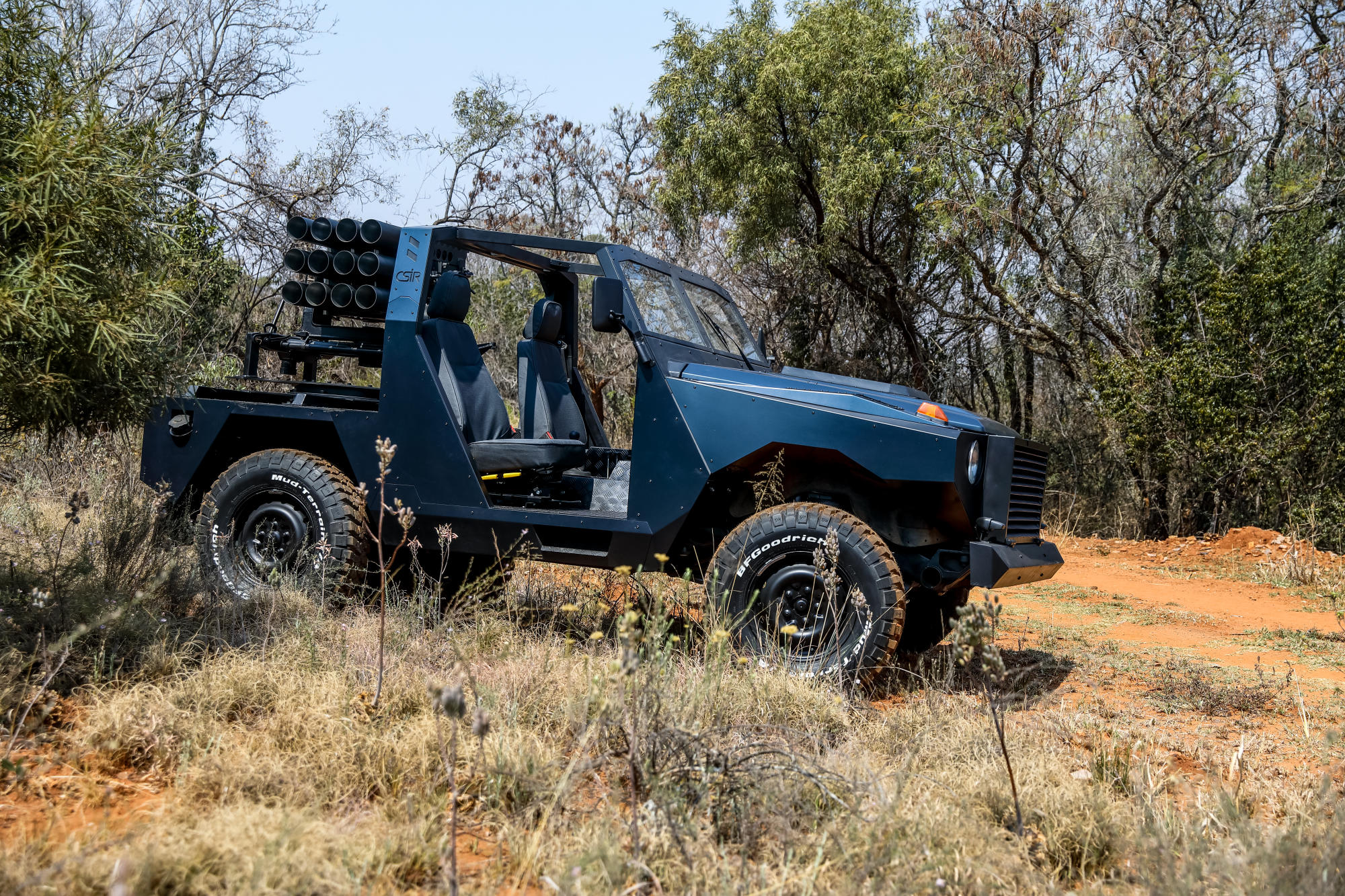
To accurately demonstrate technology outputs and their value on the battlefield, we created a test-bed military vehicle to showcase different technologies. The demonstrator platform is based on existing vehicle technologies and is built on a six- to eight-ton military vehicle, allowing the South African National Defence Force to easily assimilate and evaluate different technologies. This includes technologies to enhance mobility, firepower, protection and autonomous transport.
Crew safety and survivability
Several international standards have been published to specify the criteria for the safety of armoured vehicles. These standards specify injury criteria based on measured forces and accelerations. During testing, these forces are captured by anthropomorphic test devices (dummies), which are placed inside the vehicle. Our research into human response inside landmine-protected vehicles specifically focus on injury criteria, impact on lower limbs and protective seats. Tools such as computational modelling, simulation and infrared or high-speed photography are used to capture and analyse the dynamic response of vehicles and crew during explosive events.
Our facilities
Mechanical workshop
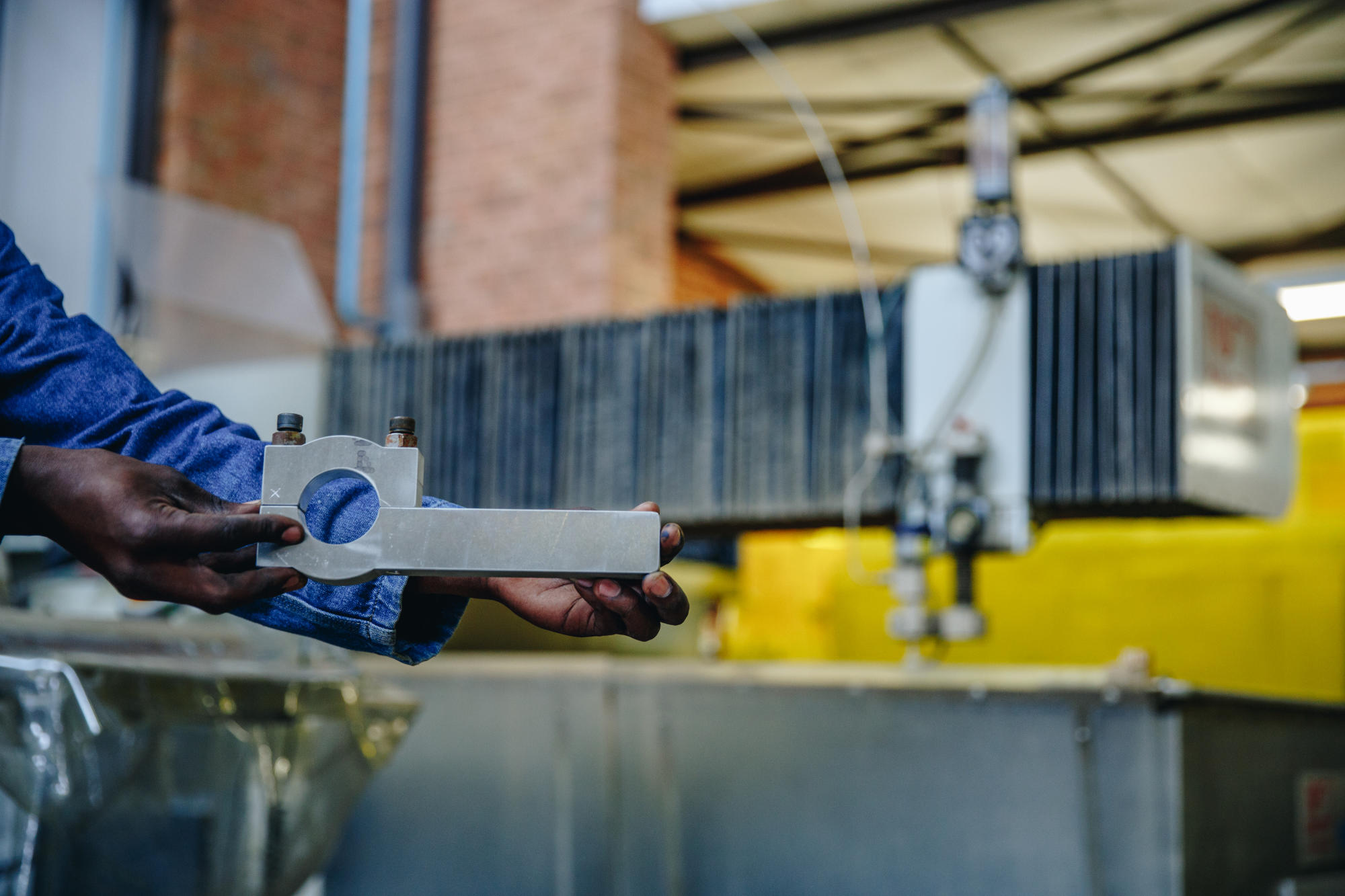
Our mechanical workshop is where concepts are tested, experimented with and refined to product design phase. Having a prototype for field testing takes the guesswork out of developing solutions to operational needs. Technical staff have access to equipment for advanced prototype manufacturing, metal cutting and fabrication machinery, welding bays, an abrasive water-jet cutter and sophisticated vertical and horizontal computer numerical control machining centres.