Photonic sensor systems
Our team develops sensors and measurement techniques to detect a wide range of pathogens and to characterise organic components across various industries. This includes point-of-care devices to detect tuberculosis (TB), the human immunodeficiency virus (HIV) and diabetes, as well as spectroscopy techniques to characterise contaminated food, water and counterfeit medicines.
Contact information:
Highlights
Finding what is under the surface
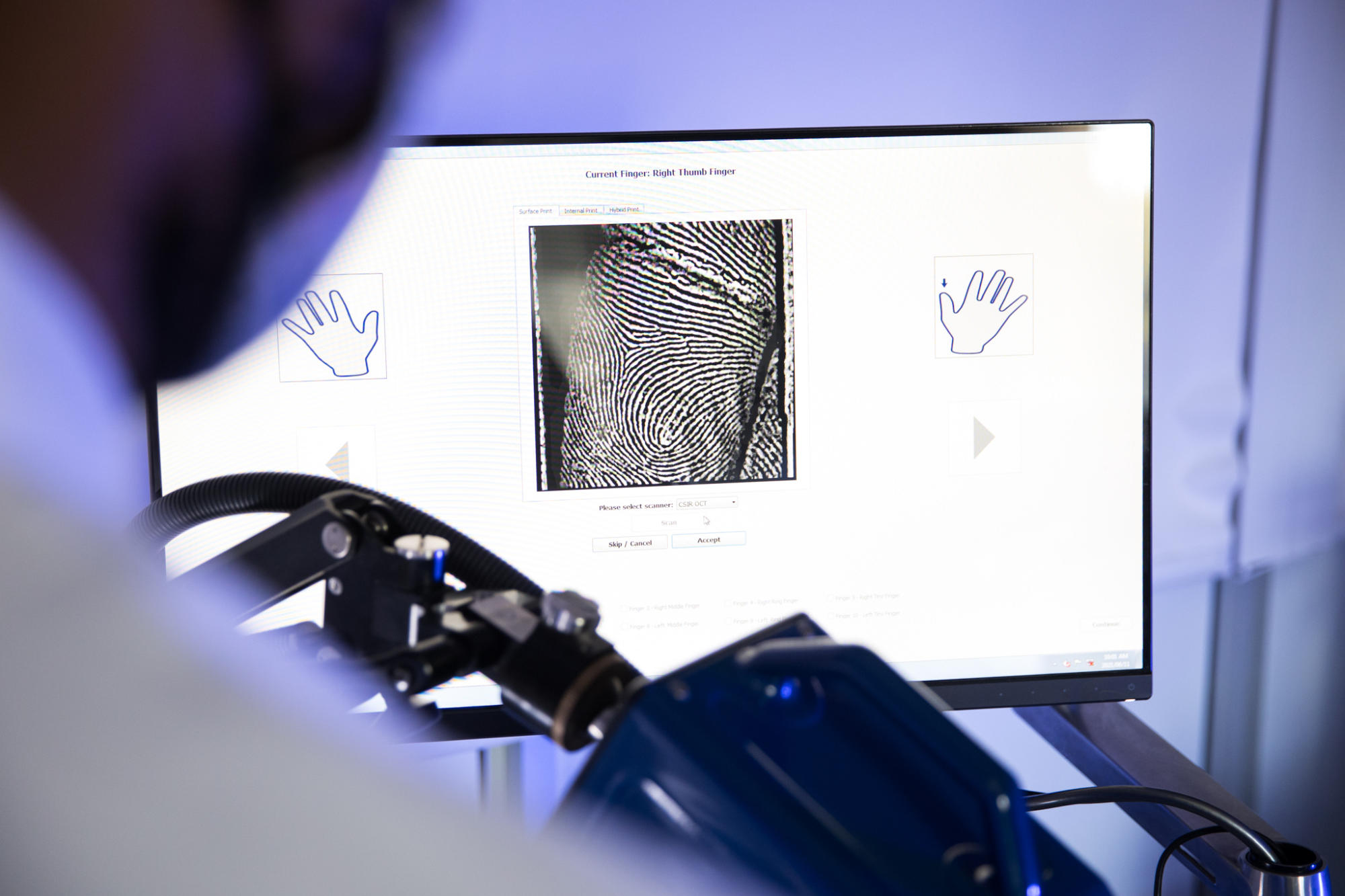
As part of our work in optical coherence tomography (OCT), we developed a system that detects fingerprints beneath the surface of the skin. OCT is a non-invasive, light-based imaging technique used to obtain sub-surface images of translucent or semi-transparent materials. It is effectively the optical equivalent to ultrasound. OCT is applied in dermatology, security and biometrics, the food and beverage industry, additive manufacturing and gemstones classification. The laser output is low, posing no risk of eye damage and the sample itself is also unlikely to be damaged.
The optics of HIV, Covid-19, tuberculosis detection using smartphone tech
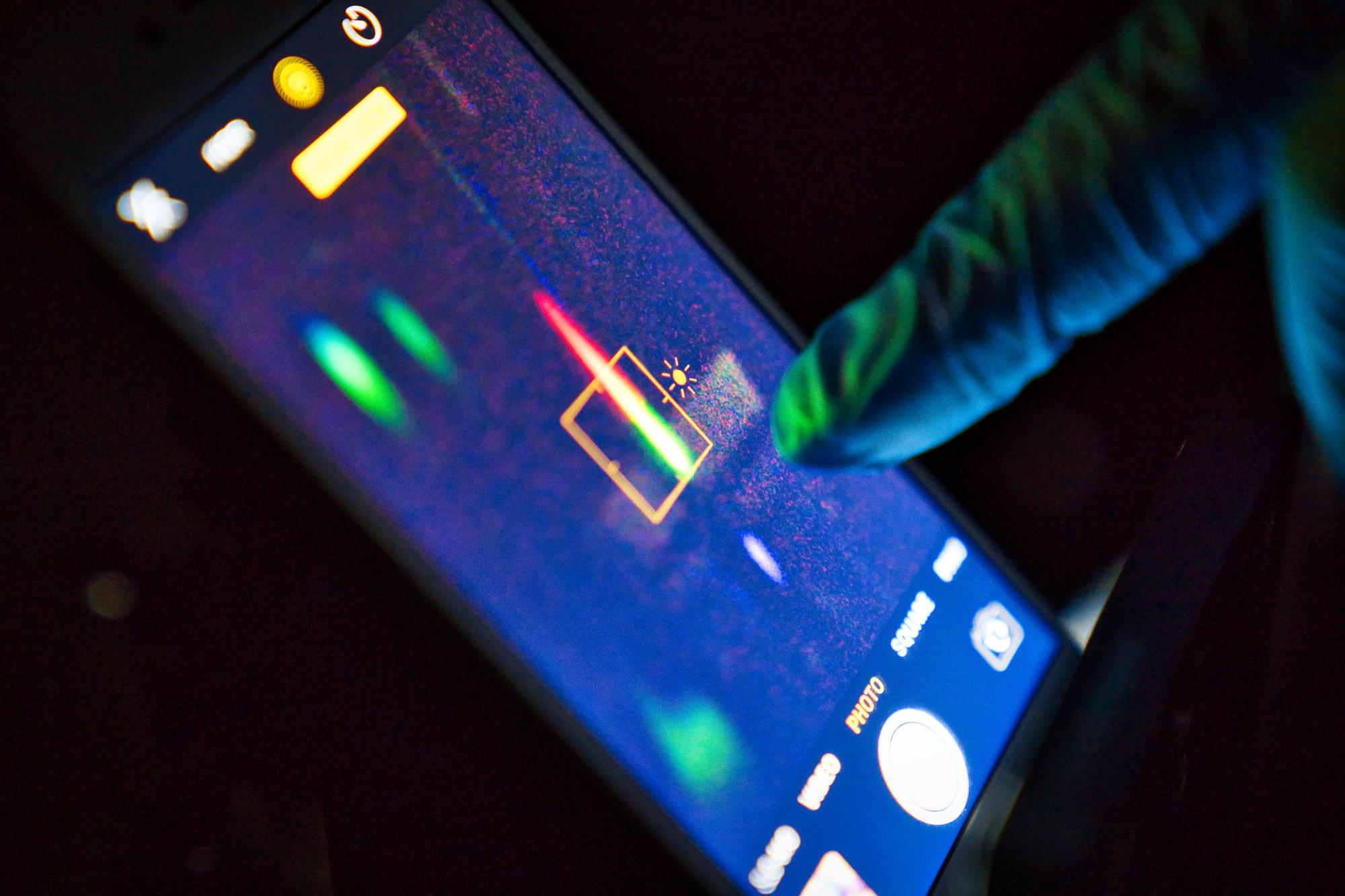
Spectroscopic measurements are used to detect illnesses in bodily fluid samples such as urine, saliva and blood. To make this capability accessible to nurses in small clinics far from sophisticated medical facilities, the CSIR developed a tool that can be operated via a smartphone to diagnose illnesses such as HIV, SARS-CoV-2 and TB, as well as non-communicable diseases including high blood pressure and type two diabetes. The technology measures the level of light absorbed by different samples to detect and distinguish between various classes of pathogens. By fitting the technology onto a disk the size of a South African ten-cent coin, it can be built into any smartphone, making it accessible to clinics and healthcare workers in remote areas across the country and continent. This product is at a mature stage and ready for an investment partner to roll out.
Our capabilities
Optical biosensors
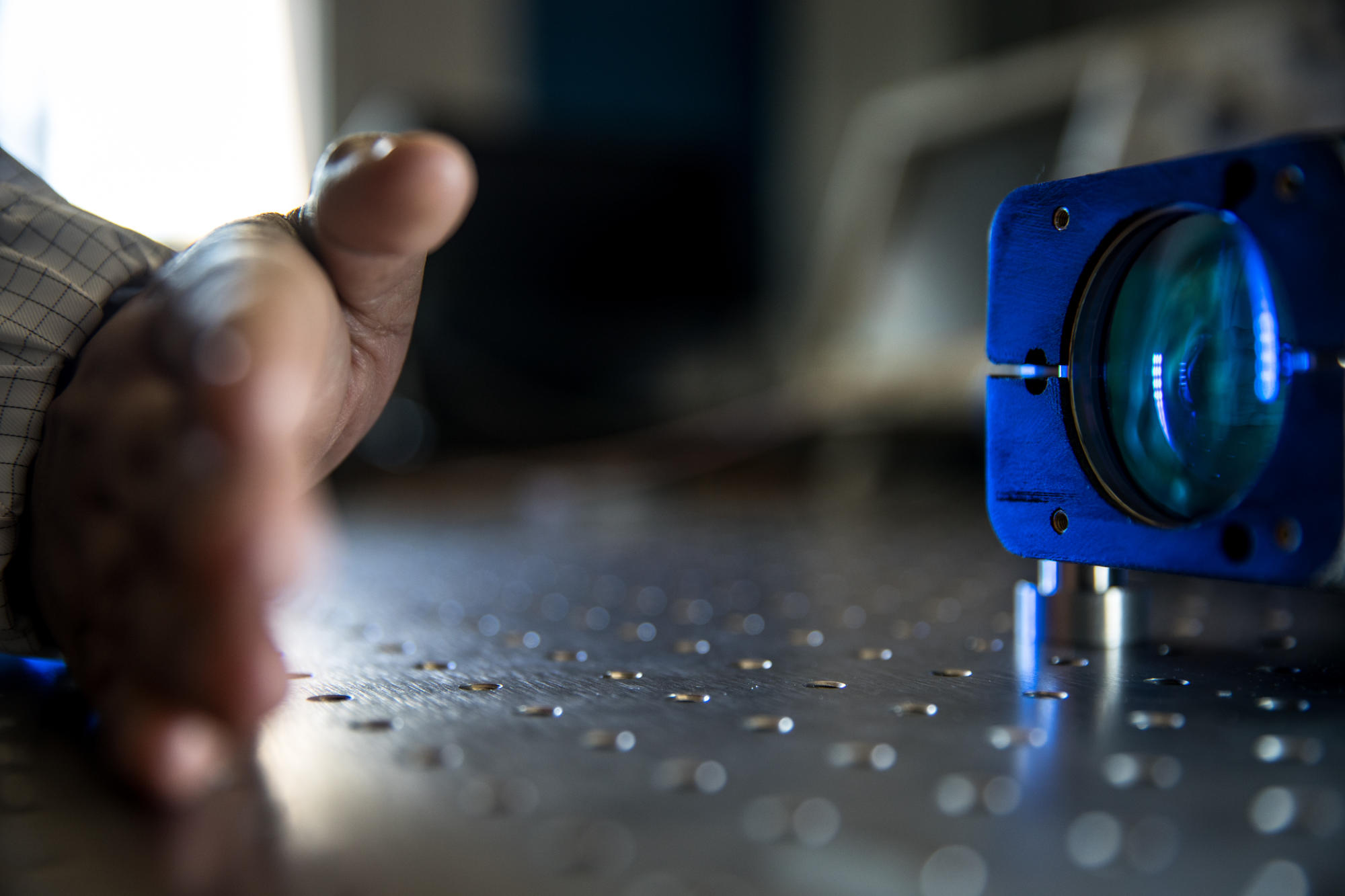
Our biophotonics experts use optical biosensing techniques such as surface plasmon resonance, localised surface plasmon resonance and transmission spectroscopy (photonic crystals). These are used for the detection of antigens – including viruses like HIV and SARS-CoV-2 and bacteria such as Mycobacterium tuberculosis – as well as for detecting drug resistance mutations and conducting quantitative analyses to determine analyte levels in each sample, such as HIV viral load. These techniques detect the interaction between light, the analyte and a bioreceptor by measuring changes in light properties influenced by the refractive index of the sample.
Quantum-based biosensing devices
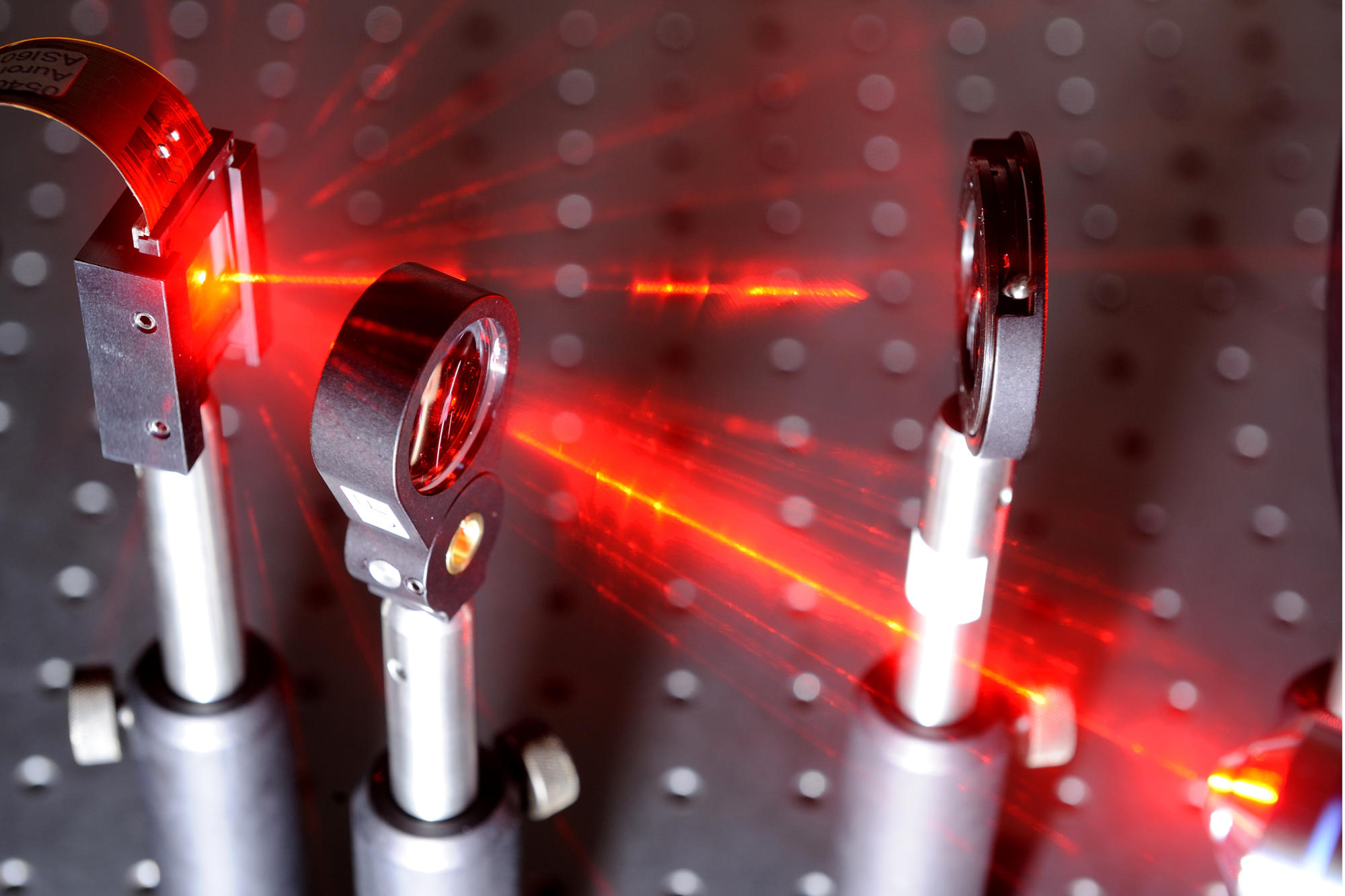
Quantum biosensing uses systems such as superposition, entanglement and quantum coherence to achieve ultra-sensitive detection of biological and chemical signals. For example, entangled photon pairs are generated through spontaneous parametric down-conversion (SPDC), a nonlinear optical process in which a single high-energy photon is split into two lower-energy photons that are quantum entangled. These entangled photons can be used in interferometric setups to detect tiny changes in refractive index, molecular binding or other biosensing events with precision beyond classical limits. By exploiting quantum correlations, SPDC-based biosensors offer enhanced phase sensitivity and noise resilience, making them ideal for label-free diagnostics, environmental monitoring and single-molecule detection.
Microcontroller-based biosensing devices
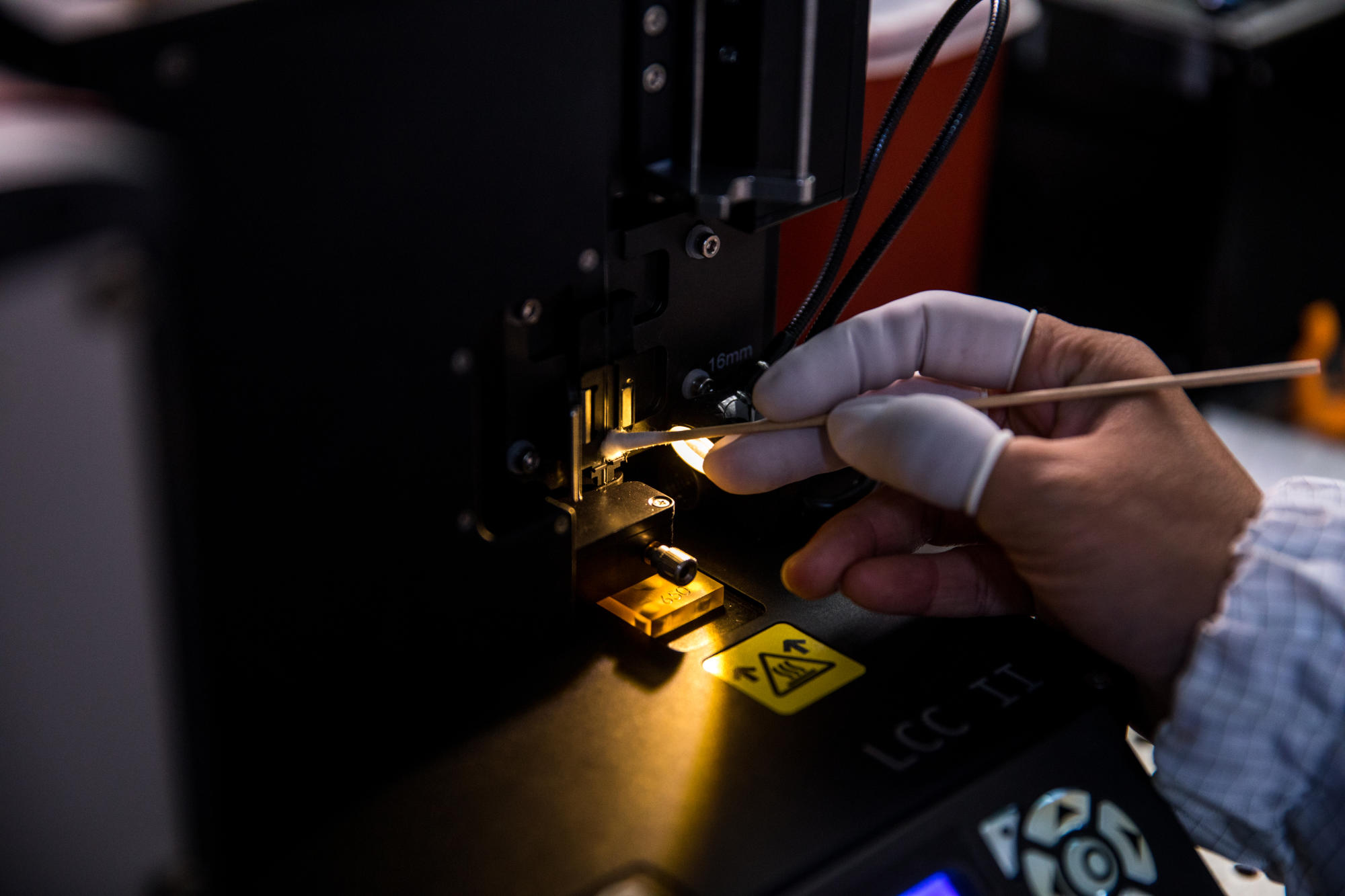
Microcontroller-based biosensing setups integrate compact, programmable hardware platforms such as Arduino, Raspberry Pi or ESP32, with biosensing components for low-cost, portable and real-time biological detection. These systems typically interface with sensors (optical, electrochemical or thermal), control signal acquisition and processing and often include modules for data display, storage or wireless communication. Their modularity and flexibility make them ideal for point-of-care diagnostics, environmental monitoring and educational tools, especially in resource-limited settings. By combining automation, miniaturisation and programmability, microcontroller-based biosensors facilitate rapid prototyping and deployment of intelligent, field-deployable diagnostic platforms.
Machine learning for point-of-care diagnostics
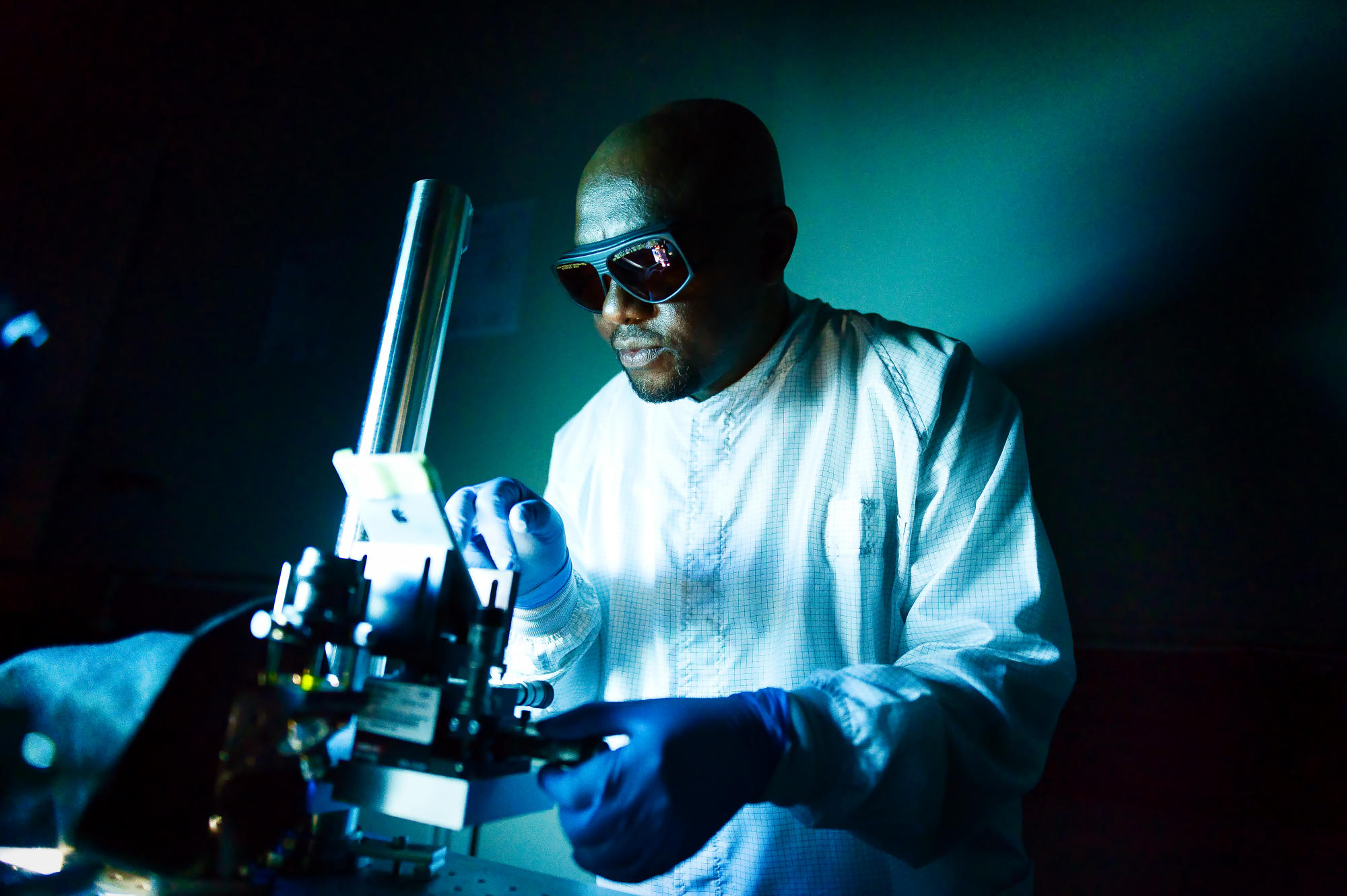
The integration of machine learning into point-of-care diagnostics is revolutionising how health data is analysed and interpreted at the patient’s side. By embedding intelligent algorithms into portable diagnostic devices, it enables real-time data processing, pattern recognition and predictive analytics from minimal, noisy or incomplete biosensing data. This allows for rapid and accurate disease detection using low-cost platforms such as microcontrollers, smartphones and 3D-printed lab-on-chip systems. It also enhances diagnostic precision by continuously learning from large datasets, adapting to local population health profiles and reducing false positives or negatives, ultimately improving clinical decision-making in urban and remote or under-resourced settings.
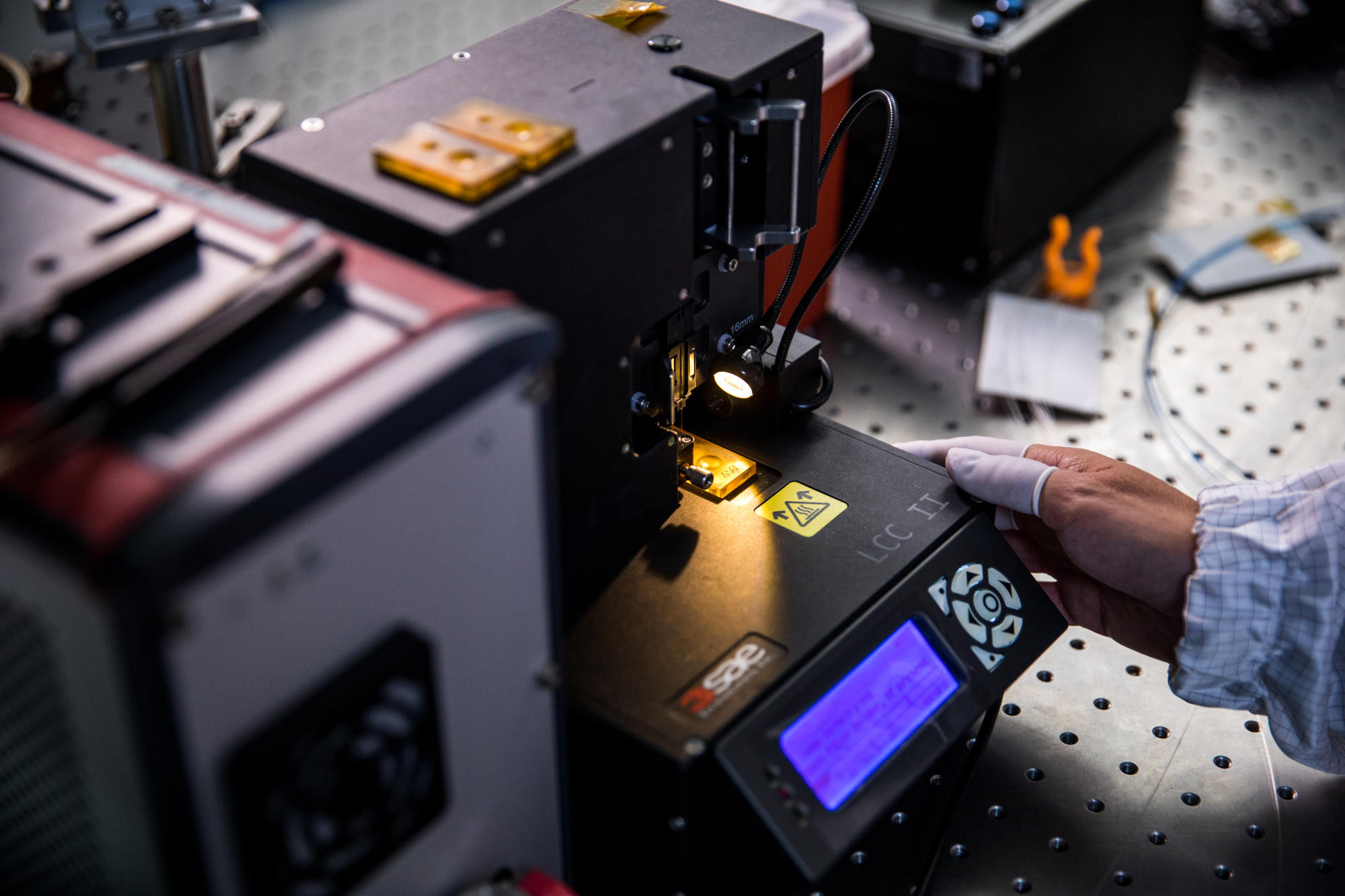
Our facilities
At our biophotonics laboratory, we use lasers of different regimes to optically micro-manipulate embryonic stem cells for tissue engineering investigations through cell sorting or separating. This includes neuroblastoma cells for neurodegenerative studies, HIV-1-infected cells for targeted antiretroviral drug delivery and cancerous cells to study intricate bioprocesses at the single-cell level. This work supports the development of point-of-care diagnostic devices that enable early disease diagnosis and can be used in resource-limited settings. The use of light and optics offersmany advantages due to the multi-dimensional data that can be collected and analysed. Raman spectroscopy is one of the main diagnostic techniques in analytical chemistry and has become an important method in biology and medicine as a real-time clinical diagnostic tool for disease identification and the evaluation of living cells and tissues.