Coastal engineering and port infrastructure
We house the largest physical hydraulics laboratory in the southern hemisphere, featuring some of the largest basins in the world. Our capabilities enable us to measure movements with sub-millimeter accuracy in our small-scale model setups. Our models mainly focus on marine engineering projects, including setups for infrastructural assessments, wave agitation and ship motion measurements. We also maintain a comprehensive suite of software for navigation and moored ship studies and we offer a wide range of metocean data collection capabilities.
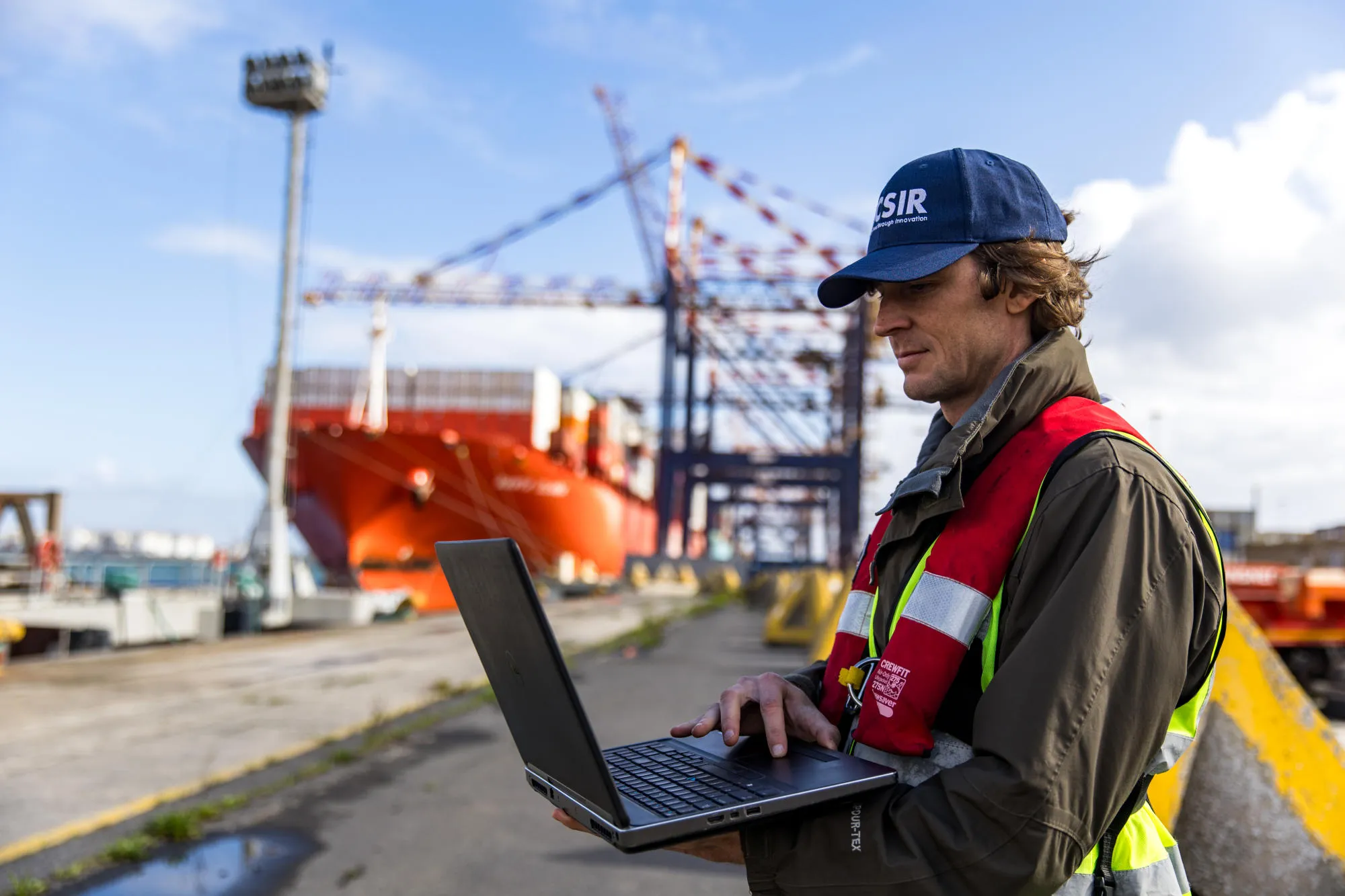
Contact information:
Highlights
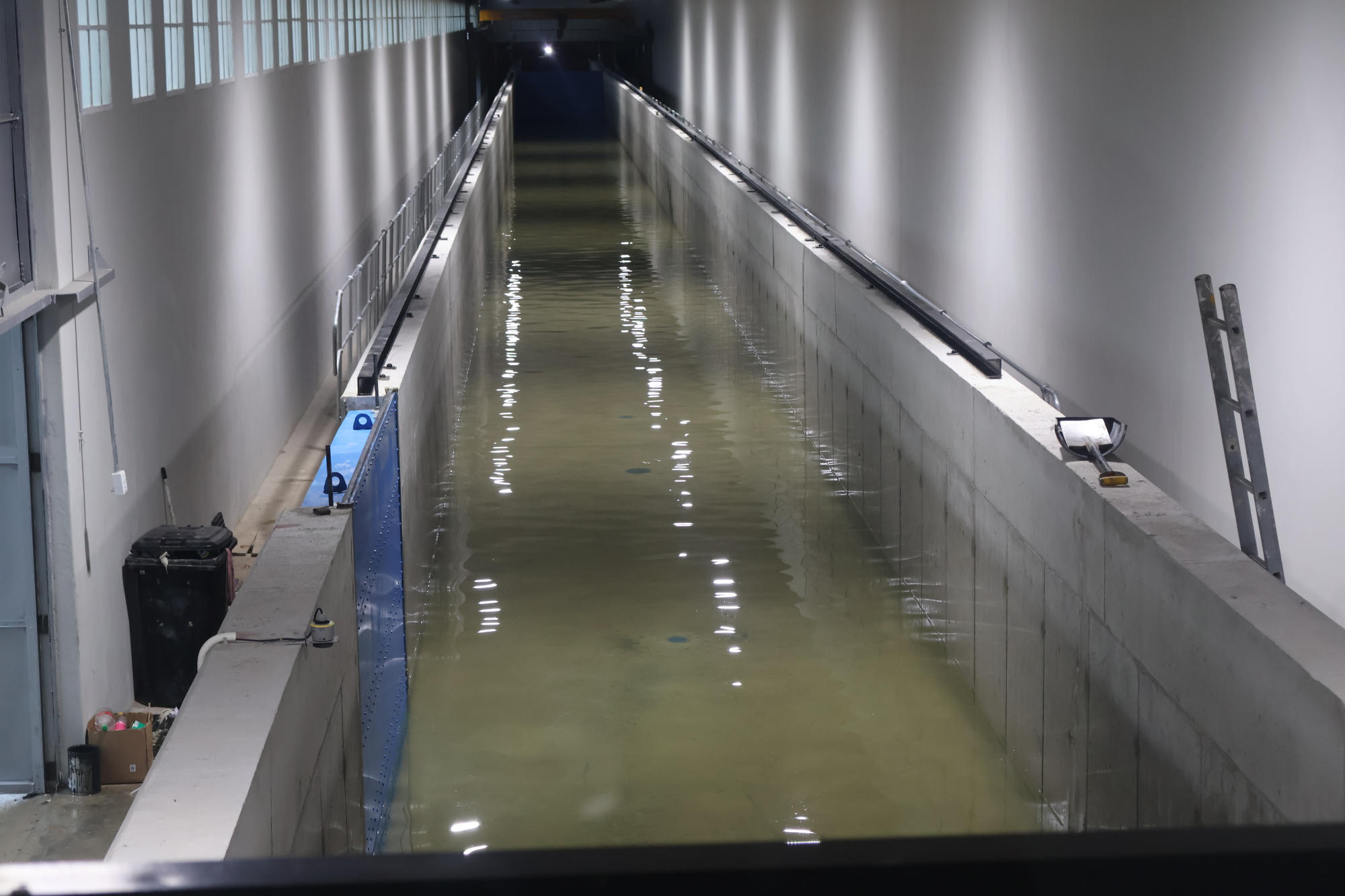
The CSIR now boasts the longest 2D wave flume facility in the southern hemisphere. These wave facilities are used to generate predefined wave conditions to study wave-structure interactions and the performance of coastal structures under design and extreme storm conditions. Through the Department of Science, Technology and Innovation this project was made possible with funding received from the National Treasury’s (NT) ring-fenced Research Infrastructure programme. An investment of nearly R14 million by the NT programme enabled the CSIR’s Coastal Hydraulics laboratory to design, procure and construct the necessary wave flume infrastructure.
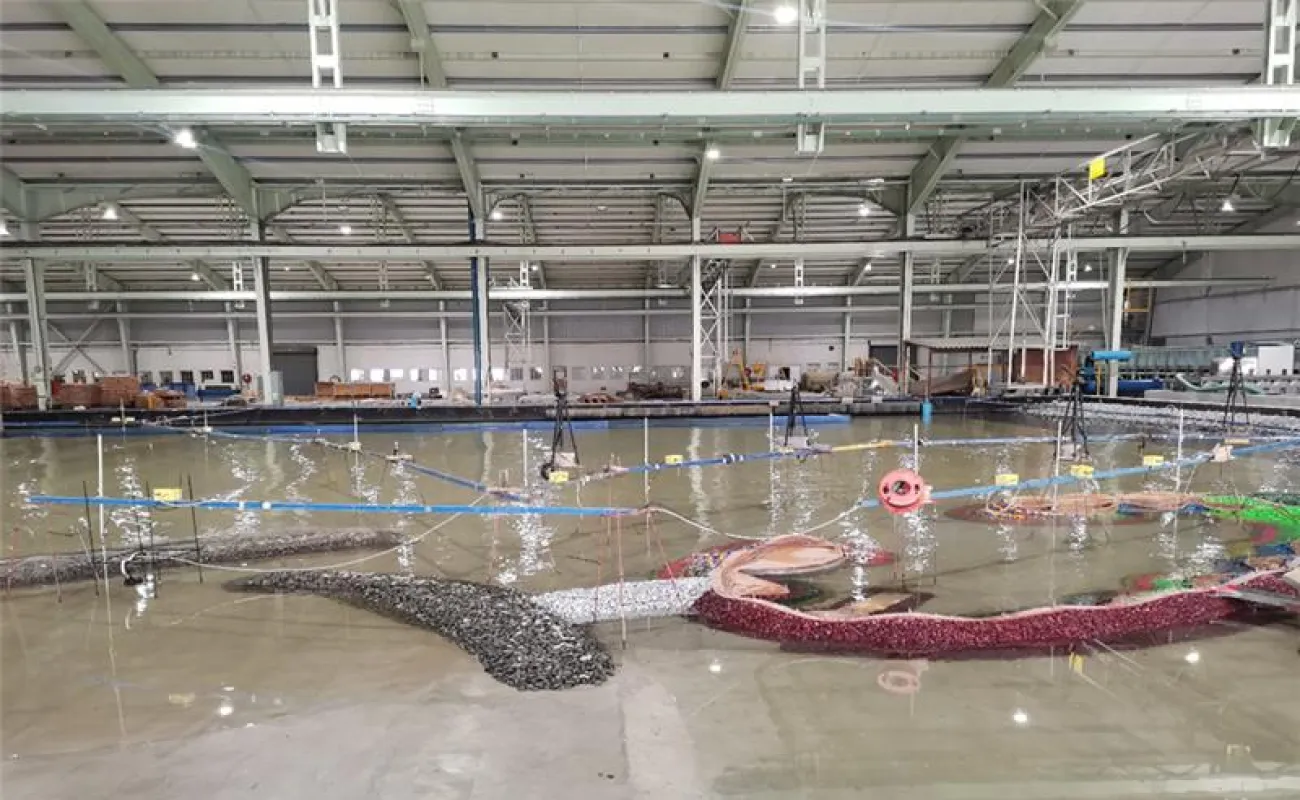
Upgraded small-wave measurement technology debuts for Waterfront development
The CSIR deployed a new version of its small-wave measurement system to verify wave heights for a new development project for V&A Waterfront Holdings (Pty) Ltd in Cape Town. Originally introduced over two decades ago, the Keofloat System transformed the measurement of small wave heights in hydraulic model basins. It was widely used for harbour model wave condition studies and model ship motion analysis. The upgraded Keofloat System retains the original wave measurement principles while incorporating modern, easily obtainable hardware and user-friendly software. It offers significant improvements in usability, including simplified setup, deployment and post-data analysis.
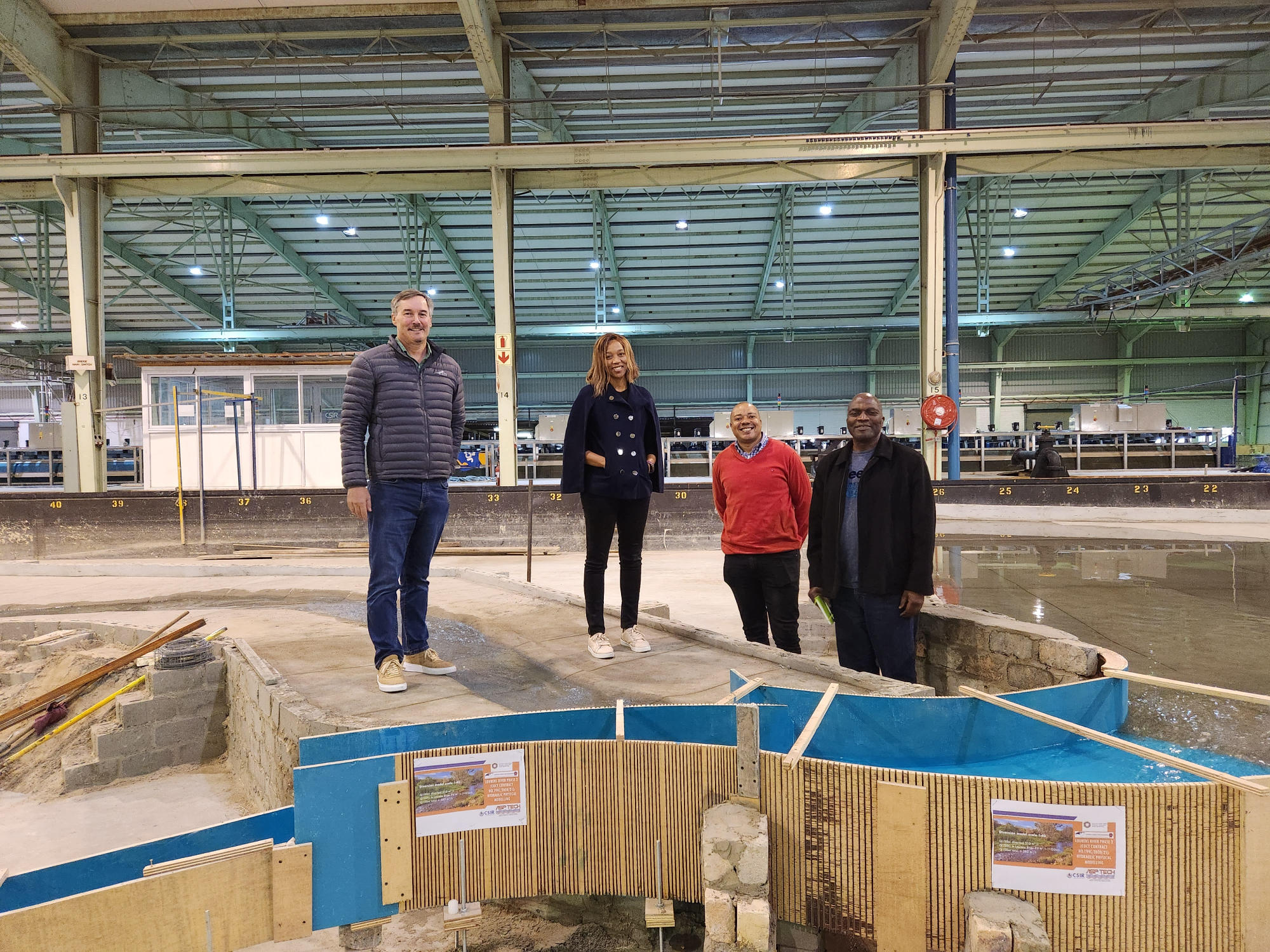
Model built at CSIR to test how to minimise flood damage from the Lourens River
The Lourens River in the Western Cape is prone to flooding, severely impacting the communities of Somerset West and Strand. The CSIR, in collaboration with engineering consultants from small business ASP Technology, completed a modelling study to assist the City of Cape Town in constructing a stormwater canal and floodplain walls to divert floodwaters. This project demonstrates how the specialised equipment and expertise at the CSIR Coastal and Hydraulics Laboratory can support small, medium and micro enterprises.
Read moreCSIR innovation for smart ports
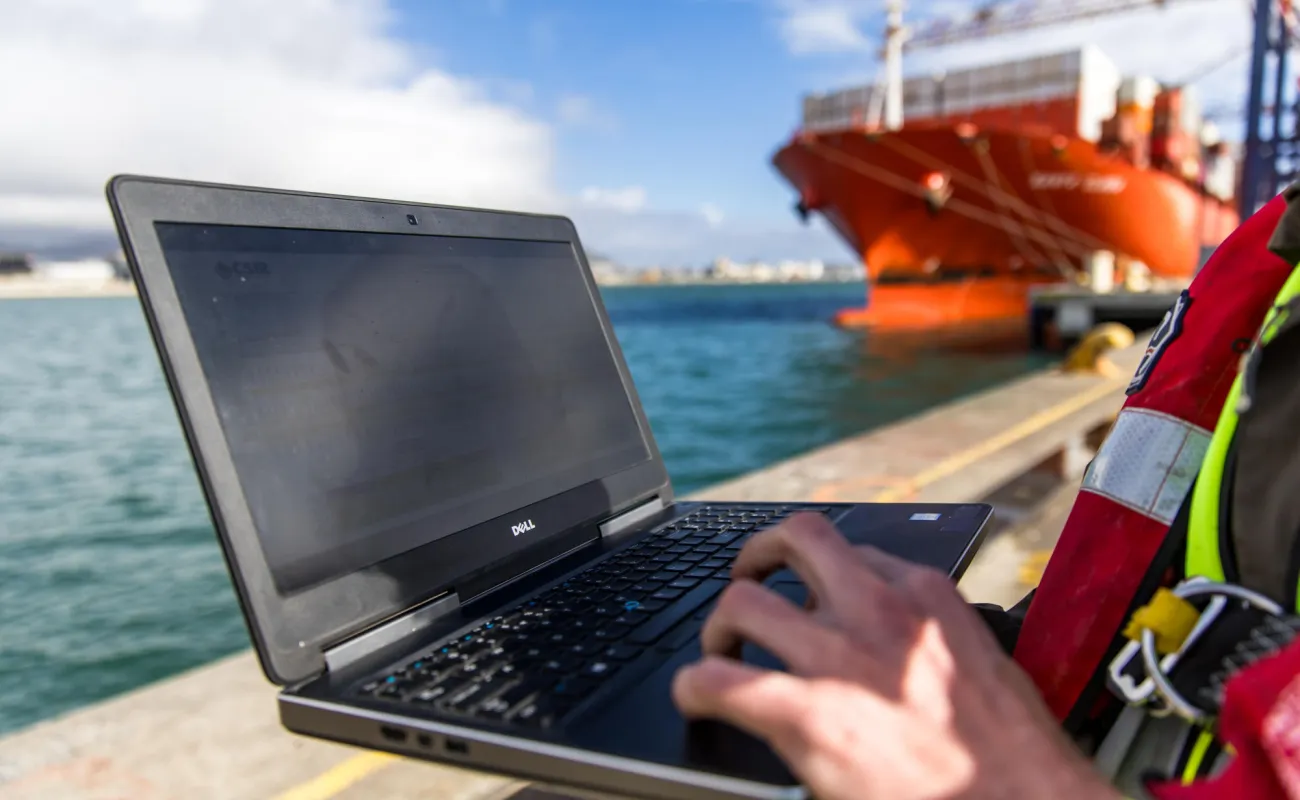
The CSIR is assisting the maritime sector in operating safe and efficient ports. The team collects data to inform decision-making by port authorities, conducts physical modelling to optimise marine structures and applies numerical modelling for port layouts and ship simulations.
WatchOur capabilities
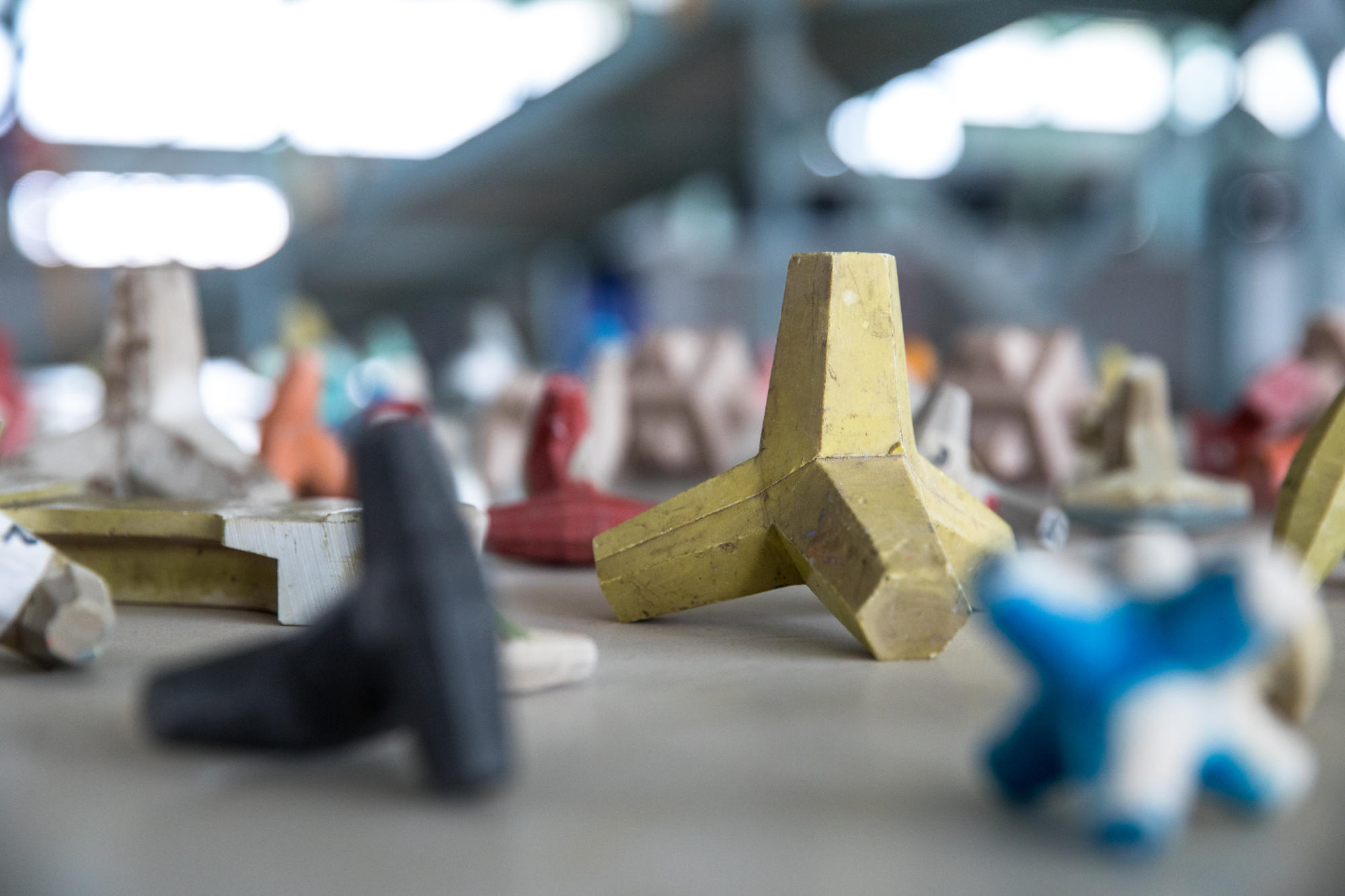
Physical modelling:
- Stability testing
- Agitation testing
- Ship motions and ship navigation
- Scour investigations
- Force measurements
- Overtopping
- Dam hydraulics
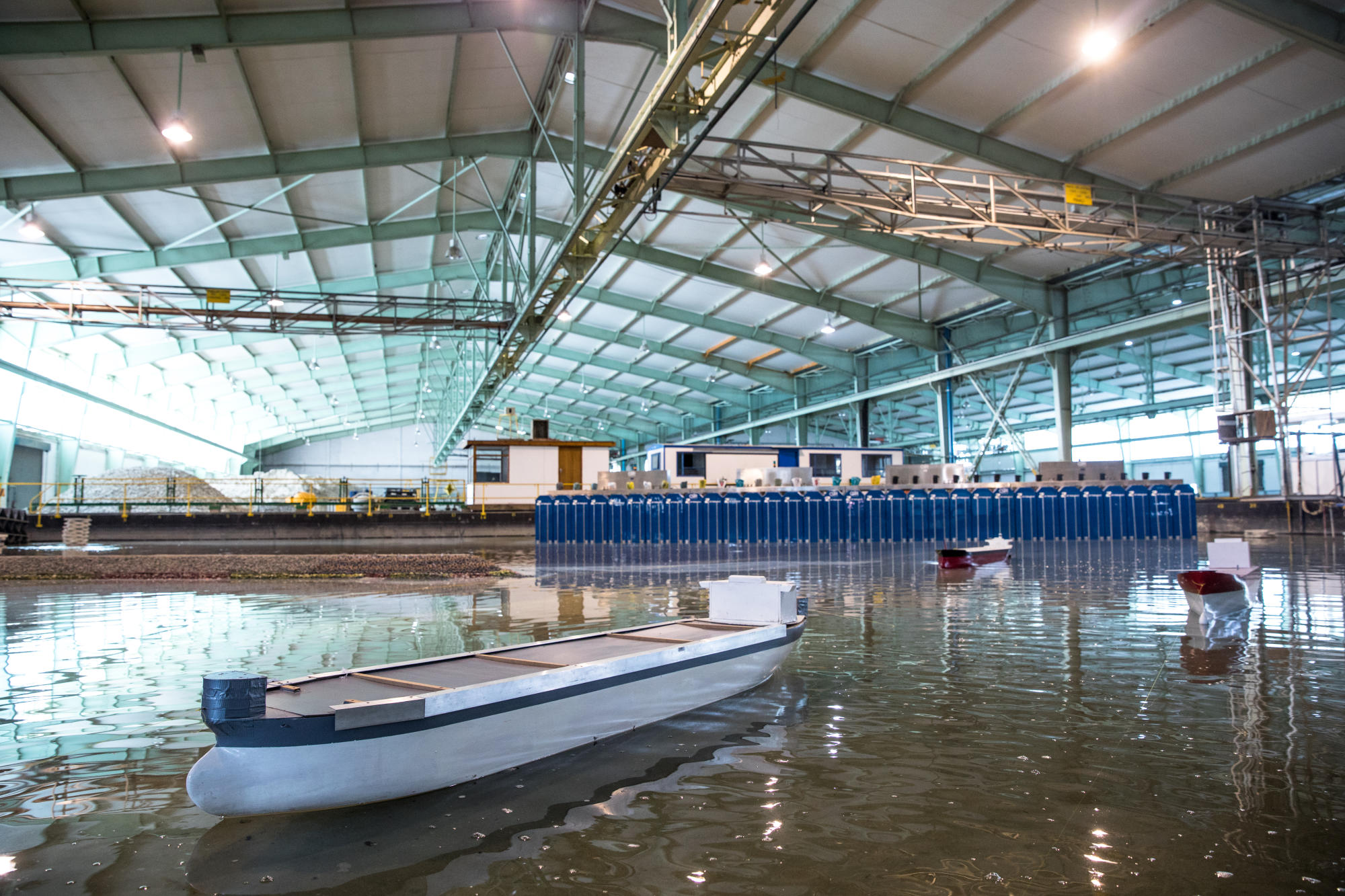
Numerical modelling:
- Ship motions (moored)
- Ship navigation and pilot training
- Nearshore hydrodynamics
- Port resonance
- Wave measurements
- Wind measurements
- Water level measurements
- Flow (current) measurements
- Water quality measurements
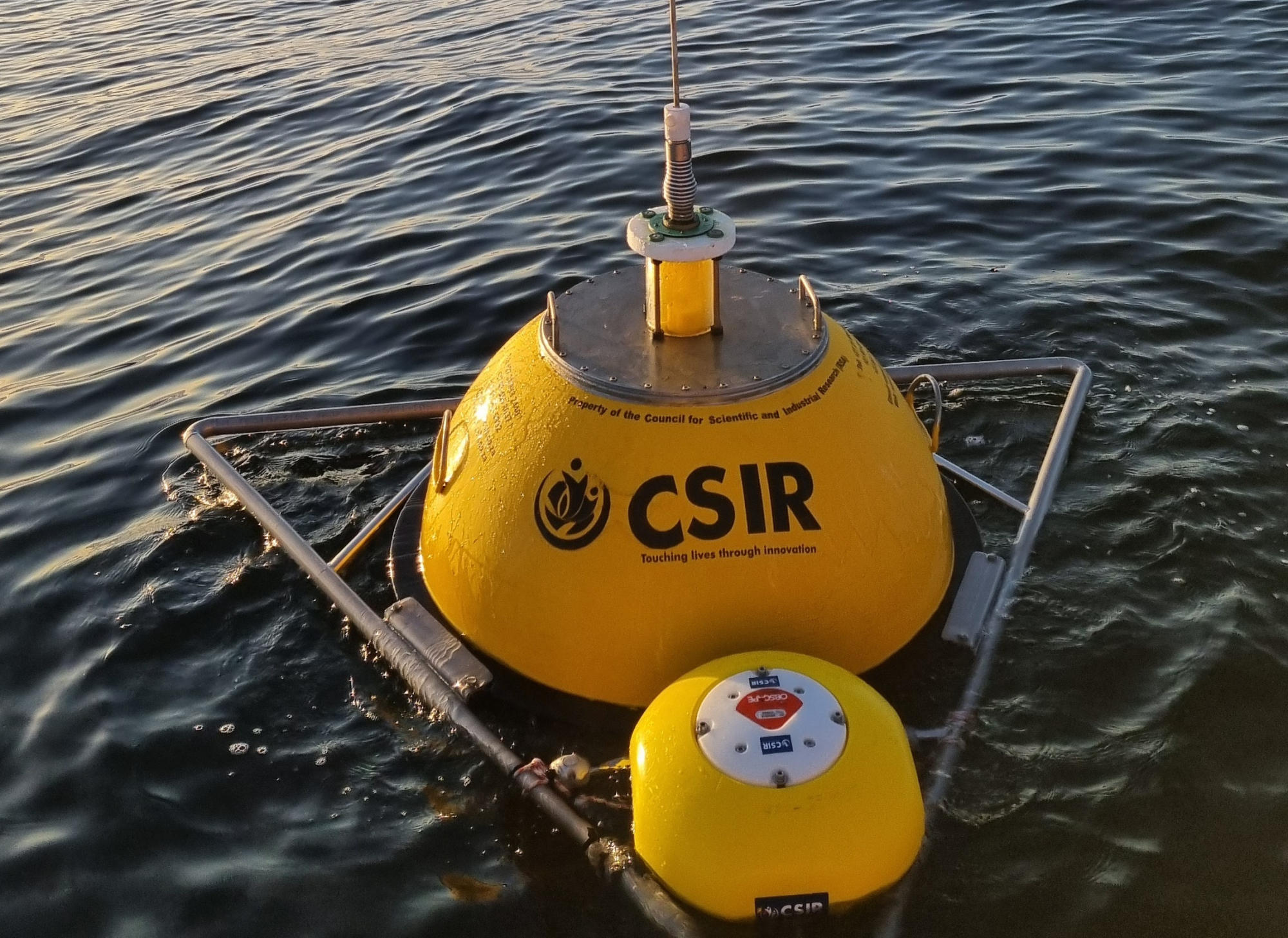
Data collection and decision support:
- Wave measurements
- Current profiles
- Weather (full suite)
- Water quality measurements
- Integrated Port Operations Support System
Careers in coastal and ports engineering
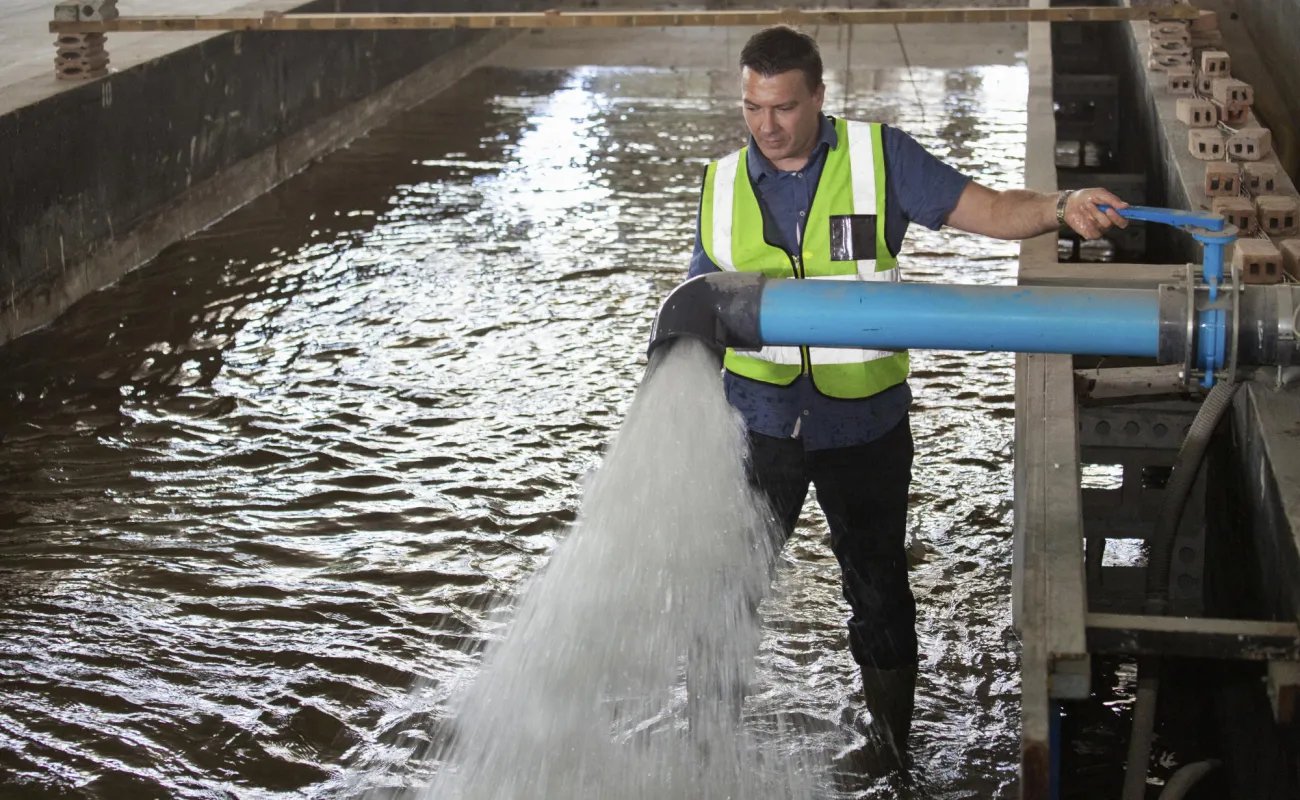
Making waves in port research and innovation
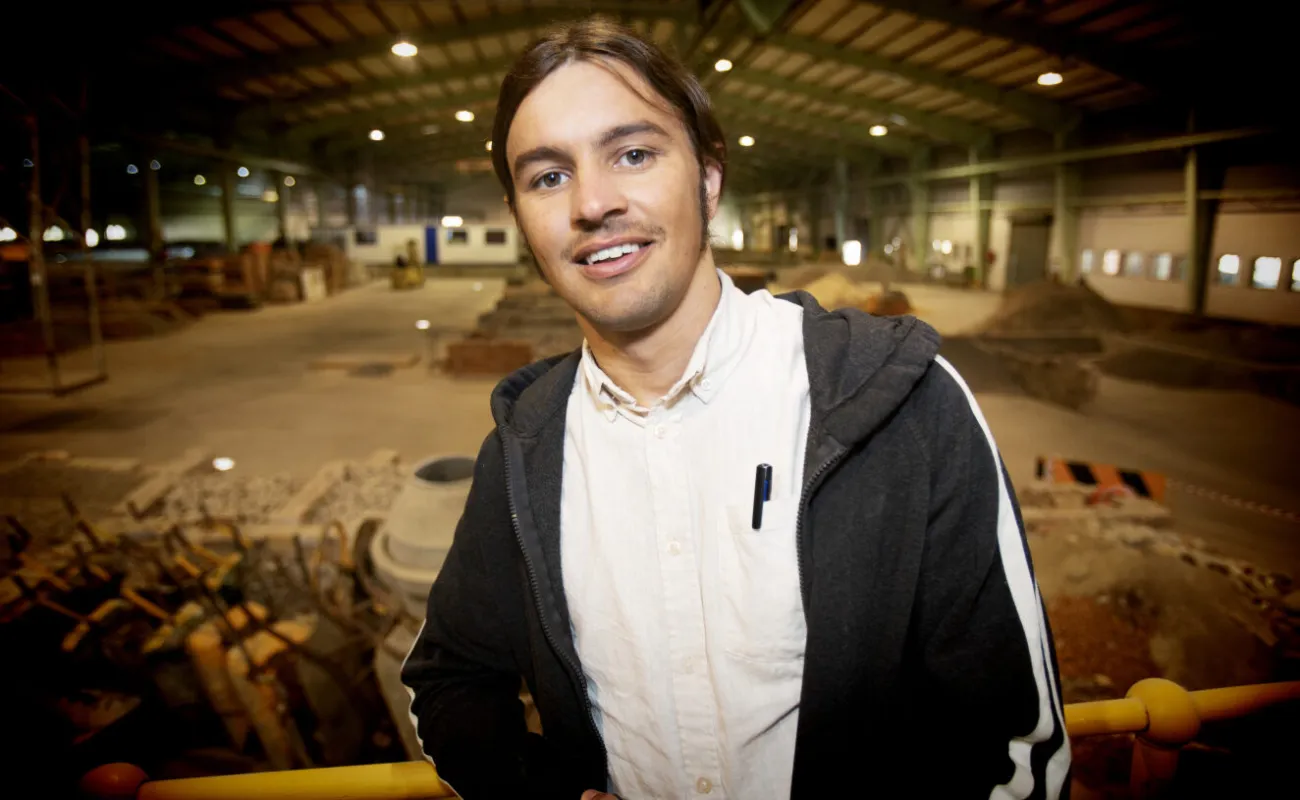
Carl Wehlitz is a senior port and coastal engineer with extensive experience in conducting 2D and 3D physical model studies for local and international clients. He manages the CSIR Hydraulics Laboratory in Stellenbosch, where the team investigates and validates the designs of coastal systems, marine infrastructure and port terminal layouts. The work involves constructing small-scale replicas of proposed designs and subjecting them to realistic storm events using state-of-the-art wave-generating equipment.
Read more
Modelling wave energy to transform our ports
Benjy Oliver completed his Master’s in physical oceanography at the University of Cape Town in 2021 and is now dedicated to finding methods to improve the wave forecast for South Africa’s major ports, with a view to improving operations at the ports. The young oceanographer applies mathematical modelling and numerical simulation to study the power of wave energy from the ocean and how it impacts the seaport and maritime industry.
Read more
Constructing physical models for port studies
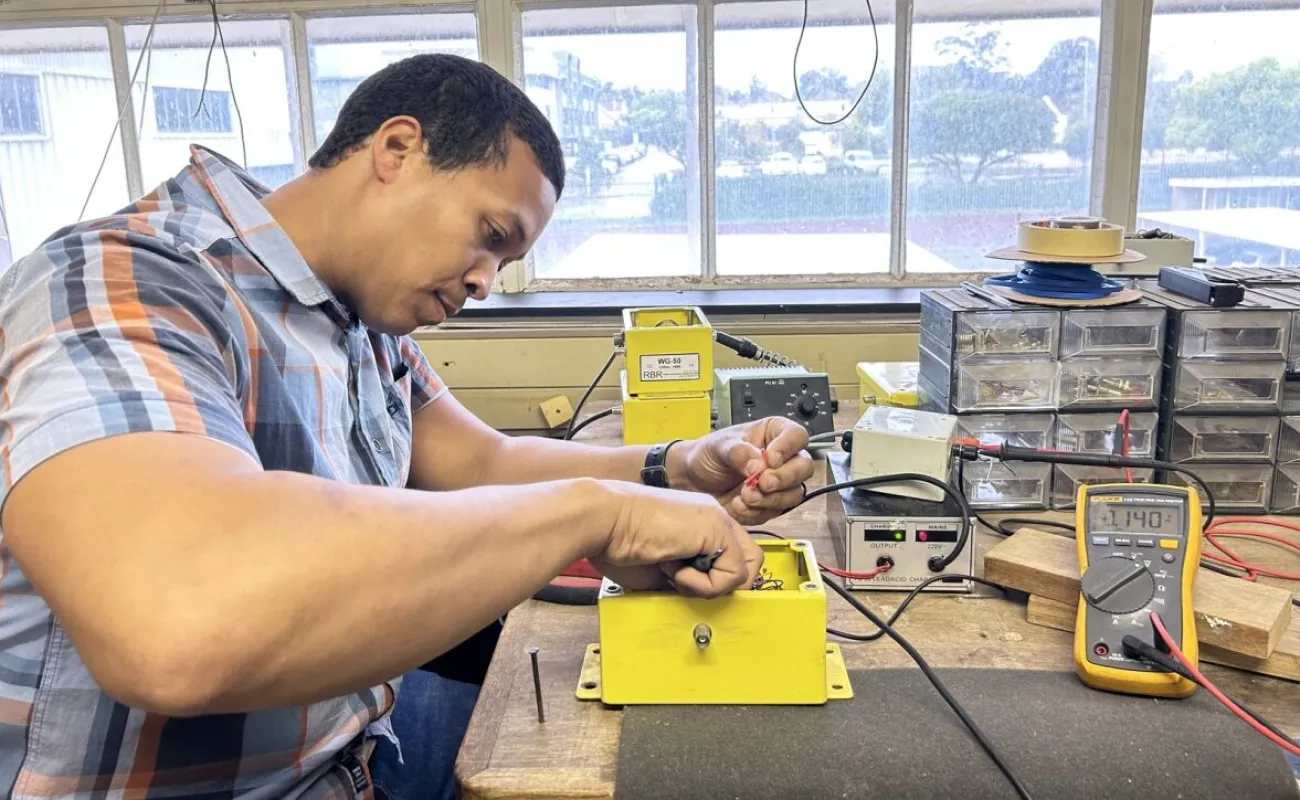
Meet Rosco Platen, who holds the view that the CSIR’s Coastal Engineering and Port Infrastructure Model Hall is as unpredictable as the weather in Cape Town. However, as a result, he finds himself learning something new every day. “Every project is unique, and while this presents its own challenges, it also means that one constantly learns to adapt,” he says.
Read more
Our research
Our research focuses on the port and coastal engineering domains. We undertake ocean and weather data collection in support of projects related to port operations and marine construction (ports and harbours, marinas and pipelines). This includes port layout and ship manoeuvering optimisation through physical and numerical modelling, the assessment of structures (breakwaters, quays, revetments and groynes) using the latest techniques and the development of decision-support systems to aid ports in operational efficiency and safety.
Our facilities
Coastal and hydraulics laboratory
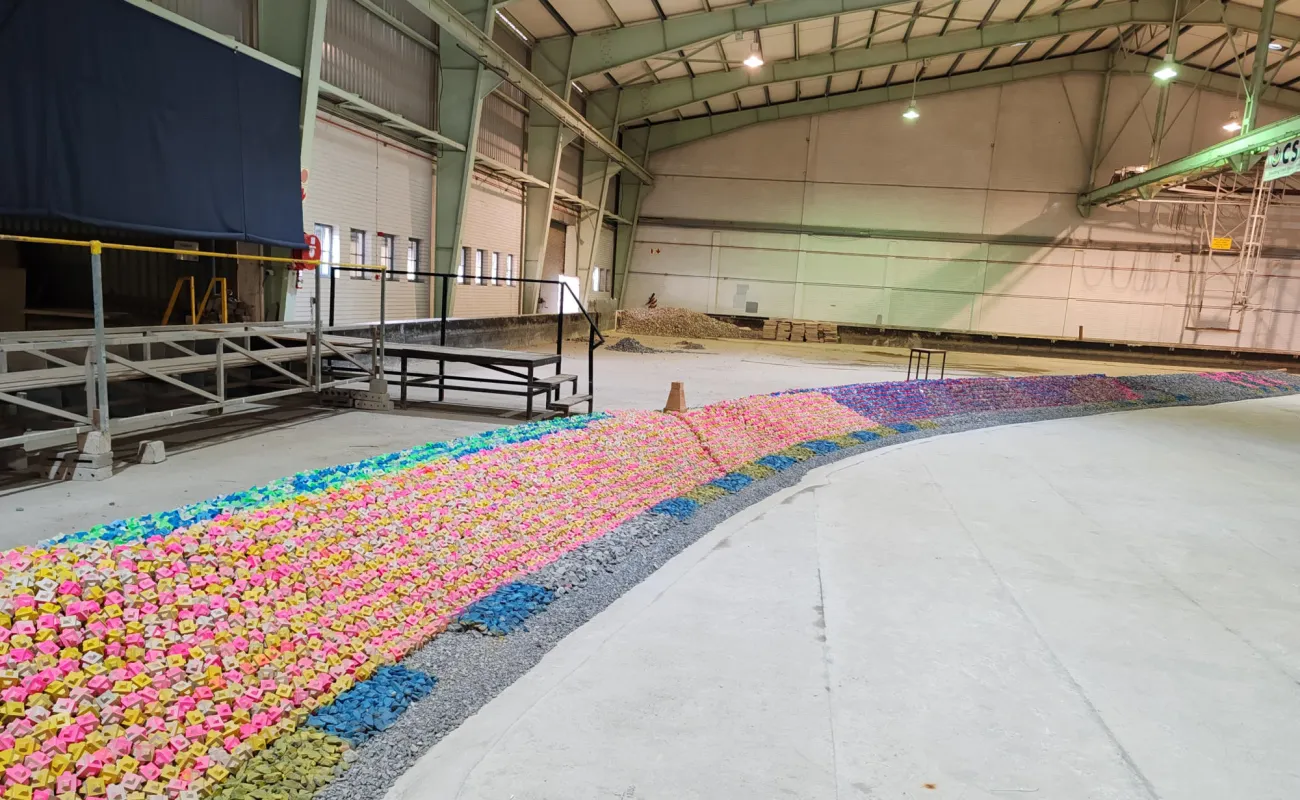
We have a world-class coastal and hydraulics laboratory for physical hydraulic model testing. It covers an area of 11 000 m² and comprises various wave flumes and wave basins for 2D and 3D tests. The wave generators used in 3D and quasi-3D physical model tests comprise a multi-element wave generator manufactured by HR Wallingford. A new addition to our capabilities is a large flume measuring 106 m in length, 3 m in width and 2 m in depth, where we can generate waves up to 0.8 m in height.