Climate services
We undertake climate change research to support sector-specific, integrated climate change responses with the aim of facilitating tangible impacts for climate-resilient, low-carbon industries that drive sustainable development across southern Africa.
Contact information:
Highlights
The CSIR leads G20 Energy Transition Working Group
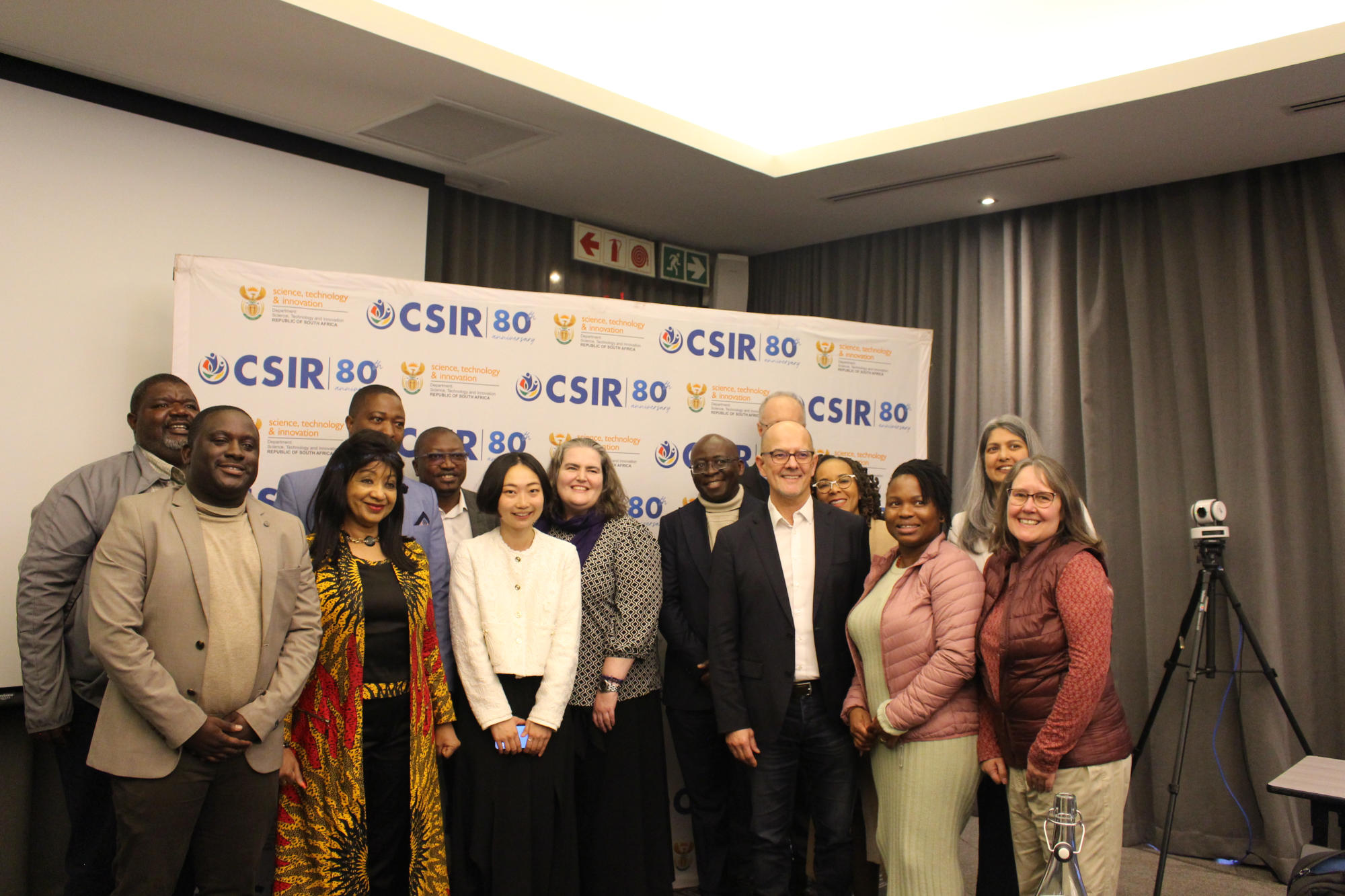
The CSIR is leading the G20 Energy Transition Work Group, which focuses on socioeconomic safeguards and local content for the Just Energy Transition. The organisation collaborates with international organisations such as the International Labour Organisation, United Nations Environment Programme, United Nations Industrial Development Organisation, as well as local partners including the Sam Tambani Research Institute and Institute for Economic Justice. The outcome seeks to promote the South African Presidency’s guiding framework and recommendations on socioeconomic safeguards for member states. A series of policy dialogues have been held as building blocks for this outcome.
Restore nature to earn carbon credits and biodiversity offsets
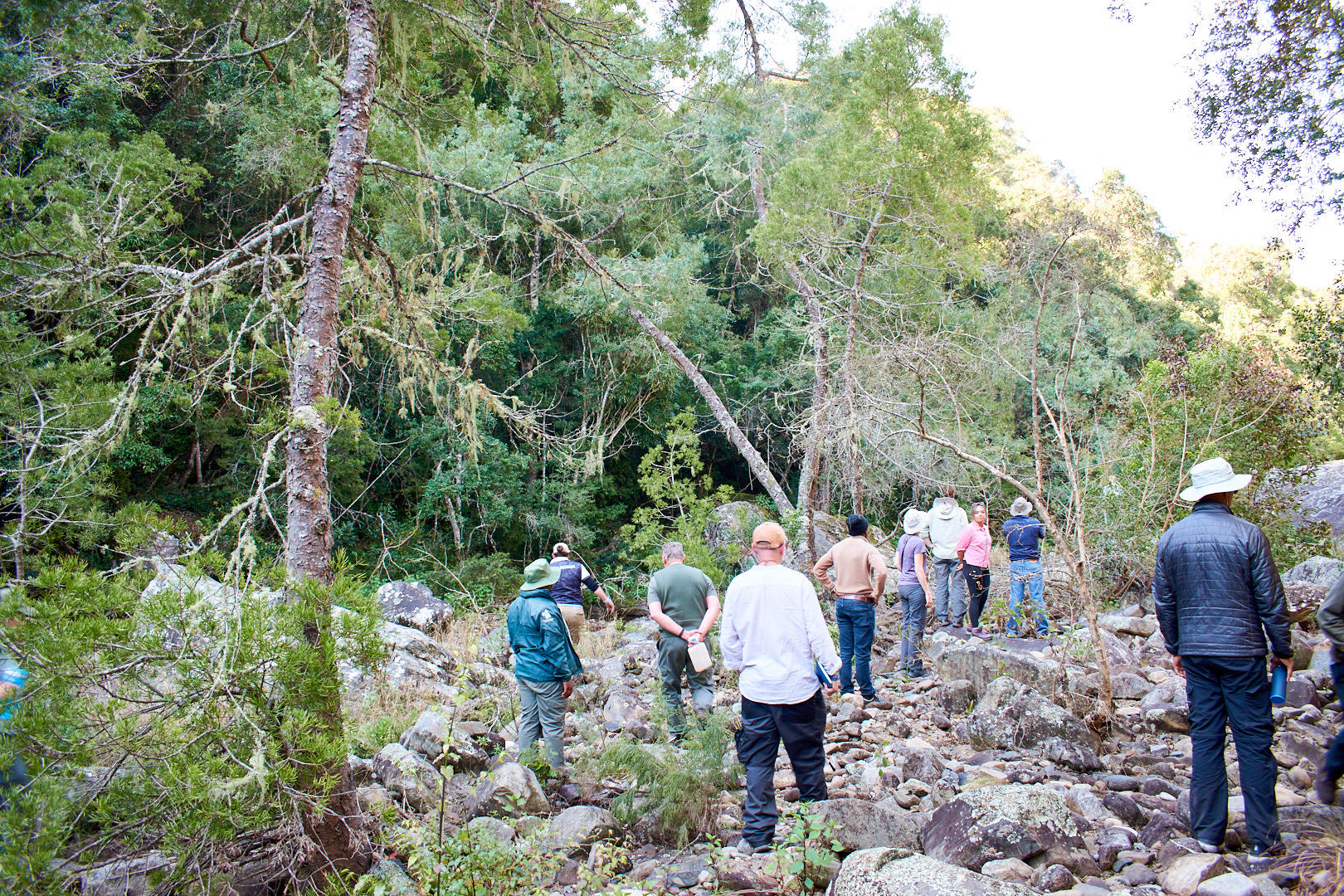
Researchers have set a target of restoring and realising the carbon capture potential of 100 000 hectares of degraded land in South Africa’s grasslands, savannas and thicket biomes through private sector investment. The CSIR is currently studying sites across the Northern Drakensberg, Wild Coast, Magaliesberg and other regions to help businesses calculate potential carbon credit and other returns. The CSIR is one of seven consortium and implementing partners applying innovative nature-based solutions for landscape restoration as part of the Restoring Landscapes in South Africa research project, funded by the International Climate Initiative.
Read more
Net Zero Guideline for Gauteng
The CSIR completed the development of the Net Zero Guideline for Gauteng in partnership with the Gauteng Department of Agriculture, Rural Development and Environment. It provides a framework to guide the province towards achieving net zero carbon emissions by 2050. The guideline sets clear targets, prioritises interventions and encourages collaboration among government, industry and communities to drive a just and inclusive transition to a low-carbon economy in Gauteng. Climate experts applied greenhouse gas emission inventory capabilities to develop mitigation scenarios that outline pathways for achieving net zero key sectors such as energy, transport, industry and the built environment.
Our capabilities
We use decision-support tools and information and communication technologies such as spatial information systems, geographical information systems, web mapping systems, dynamics and remote sensing by working with various sectors, processes and product applications.
Our capabilities include:
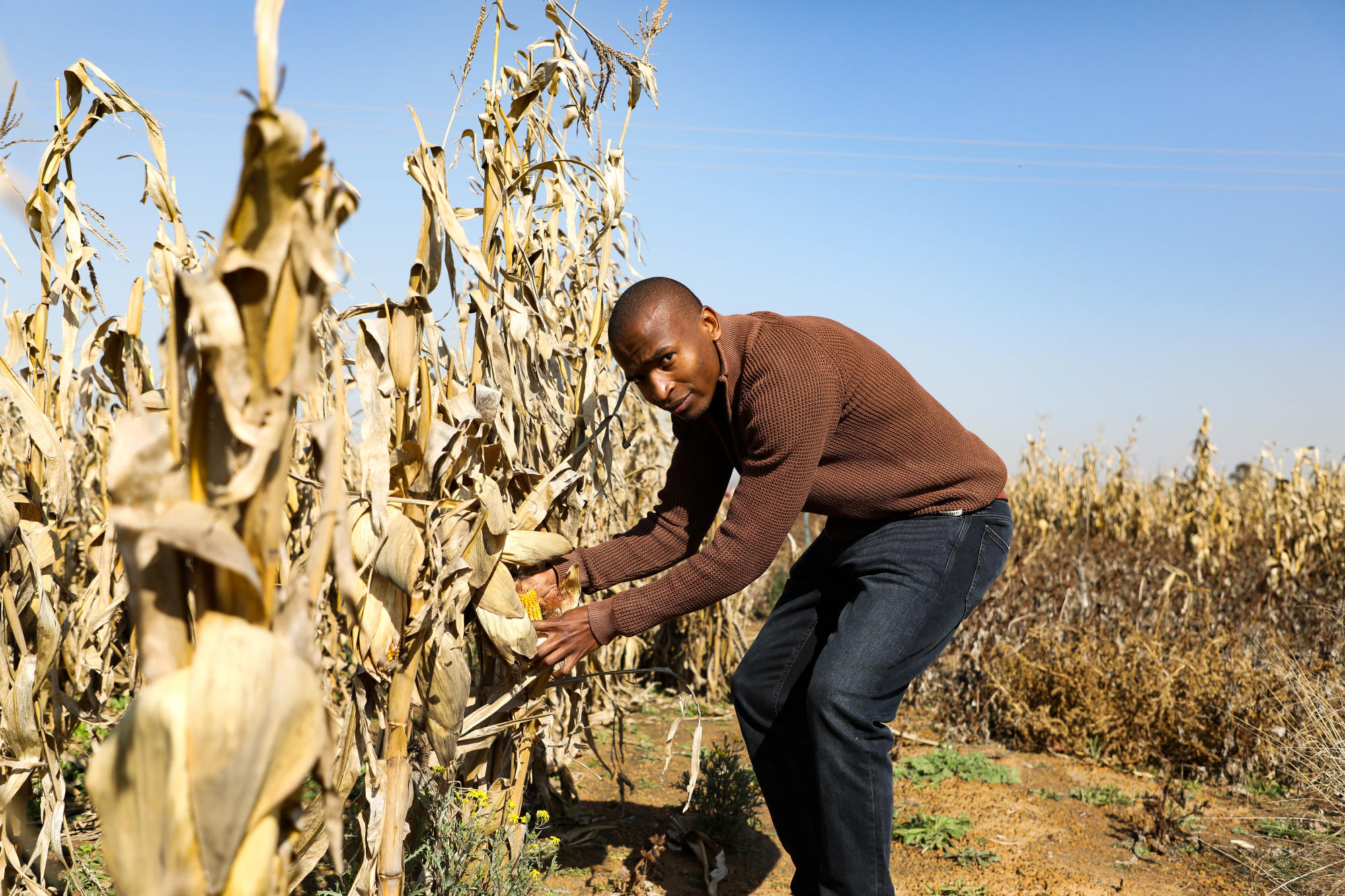
Climate change impact studies for industries and key socioeconomic sectors
Greenhouse gas emission inventories and carbon modelling
Climate change co-benefits, including adaptation and mitigation
Climate change response and implementation plans
Monitoring and reporting of climate change interventions
Climate policy and transparency reporting
Nexus planning – modelling and simulation through decision-support tools/frameworks , (i.e., climate, water, energy and food)
Crop and hydrological modelling
Sector-specific climate risk vulnerability and resilience assessments
Resource economics, including cost- benefit analysis, systems modelling and technology prioritisation
Geospatial analysis: Geographic information systems and remote sensing applications for environmental modelling and management
Our facilities
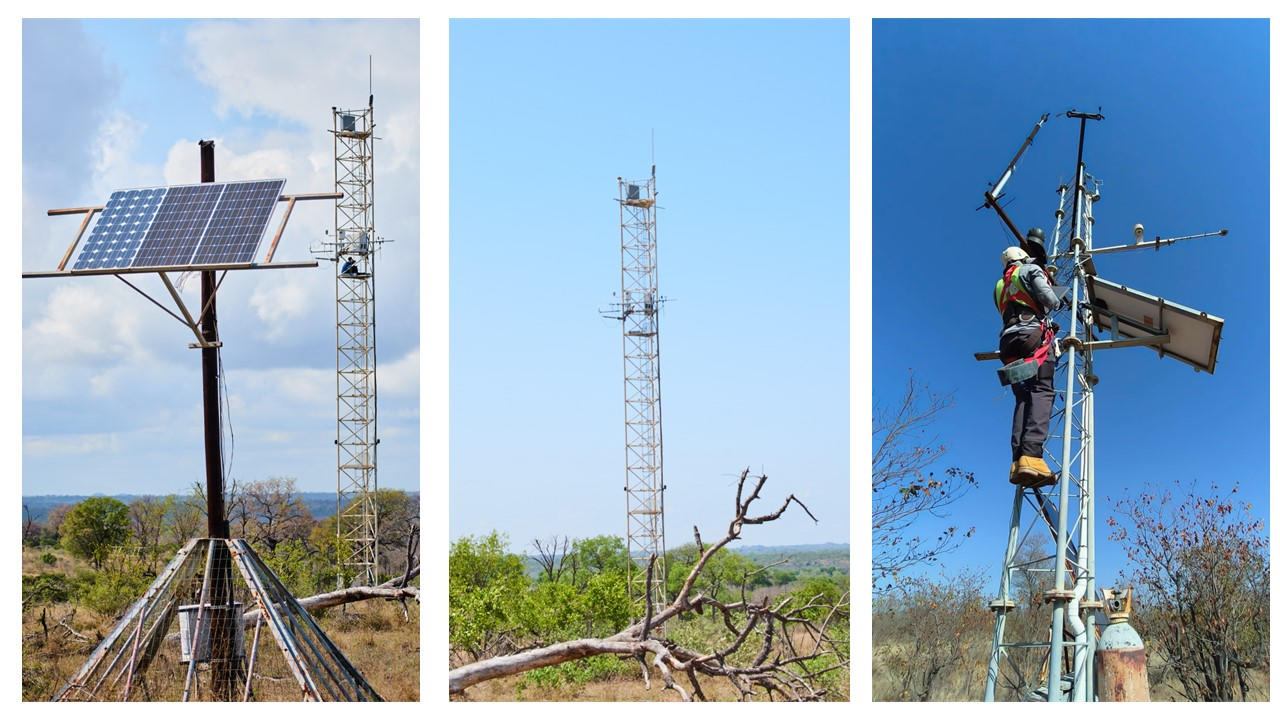
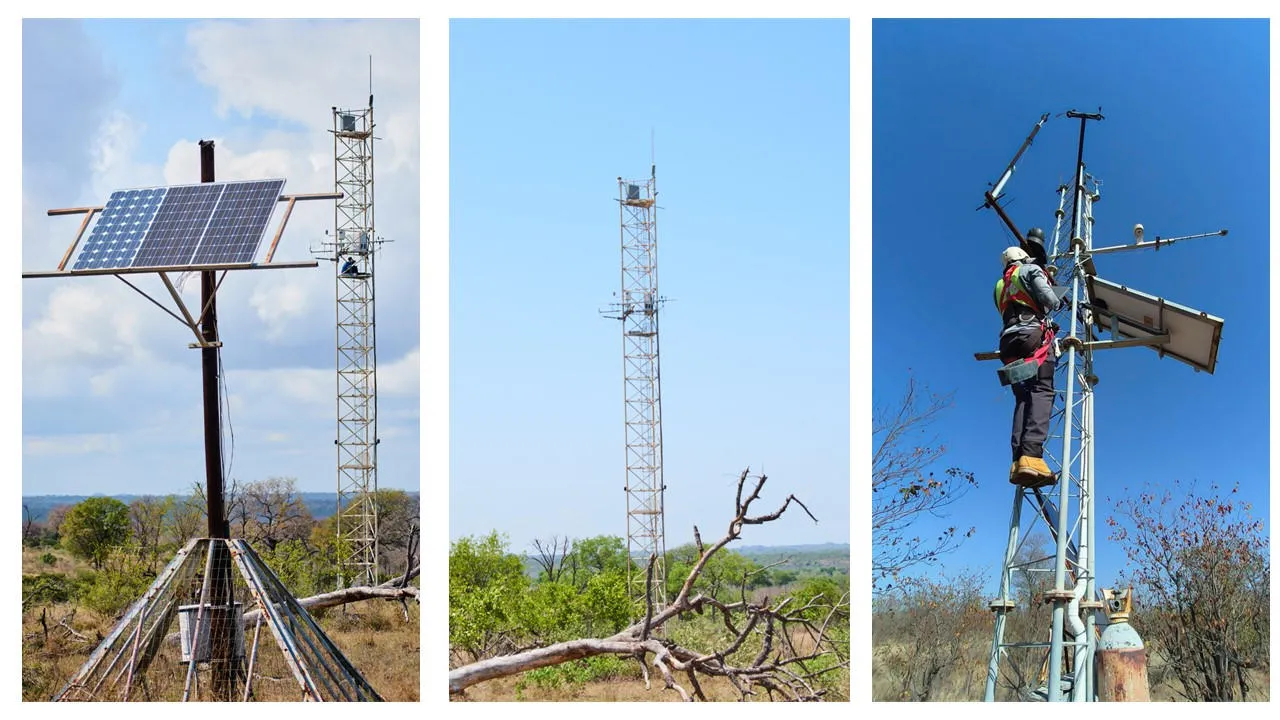
Flux tower infrastructure for carbon observation and restoration monitoring
We host Africa’s longest-standing flux tower infrastructure. The Skukuza Tower and the Malopeni Flux Tower are situated in the southern section of the Kruger National Park. These towers provide continuous data on carbon, water, energy and radiation fluxes, as well as key soil and meteorological conditions. The Skukuza Tower is Africa’s longest-running eddy covariance site, with over 25 years of data, making it vital for model validation and understanding savanna dynamics, while the Malopeni Tower provides insights from a drier savanna system. The Agincourt site captures fluxes from human-impacted landscapes. Together, these sites offer critical information on how savannas respond to climate change, extreme events and land-use pressures.
Through the South Africa Carbon Observation and Restoration project, the CSIR is advancing research on the southern hemisphere carbon cycle, climate-carbon feedback and the impacts of seasonal and long-term changes on ecosystems and society at large. This flagship project relies on three eddy covariance flux sites, namely Skukuza and Malopeni towers within the Kruger National Park and the neighbouring Agincourt communal area.