Ocean systems and climate
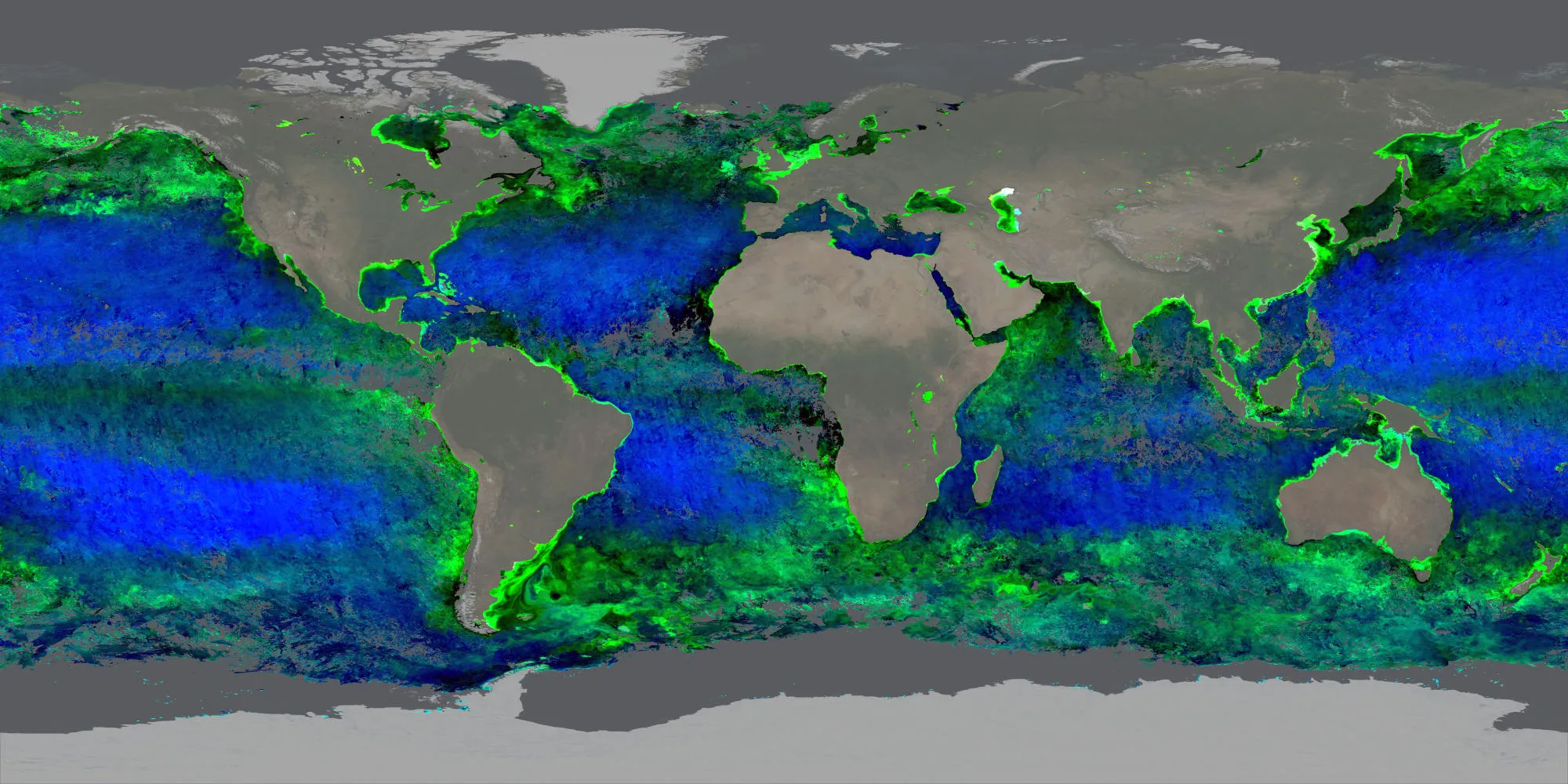
We conduct world-class research, capacity building and training using cutting-edge observational and modelling techniques to better understand the oceans’ role in climate regulation through our flagship programme, the Department of Science, Technology and Innovation-funded Southern Ocean Carbon-Climate Observatory (SOCCO) programme.
Contact information:
Highlights
Continued global warming headlines “State of the Climate in 2024” report
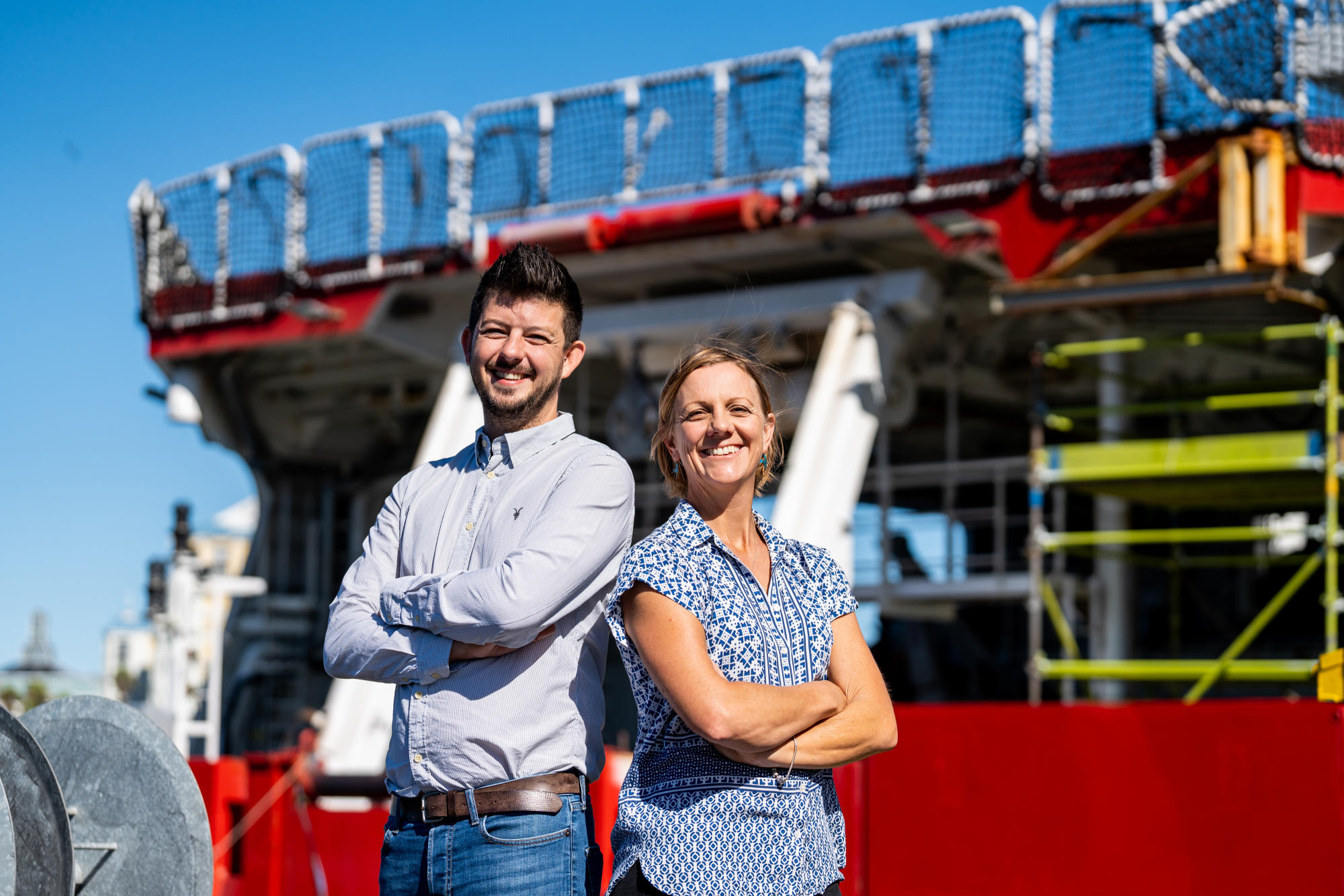
The latest information on the global climate state has been released in the publication The State of the Climate 2024, which features contributions from scientists worldwide, including the CSIR’s Dr Sandy Thomalla and affiliate Dr Tommy Ryan-Keogh. Their work is among the, the top scientific findings, highlighting the continuation of global warming trends. Focusing on the ocean's ability to absorb heat and carbon, their findings emphasise the Southern Ocean’s disproportionately large role in regulating Earth’s climate due to ongoing and evolving atmospheric-ocean dynamics.
CSIR ocean expert to serve on seventh Intergovernmental Panel on Climate Change
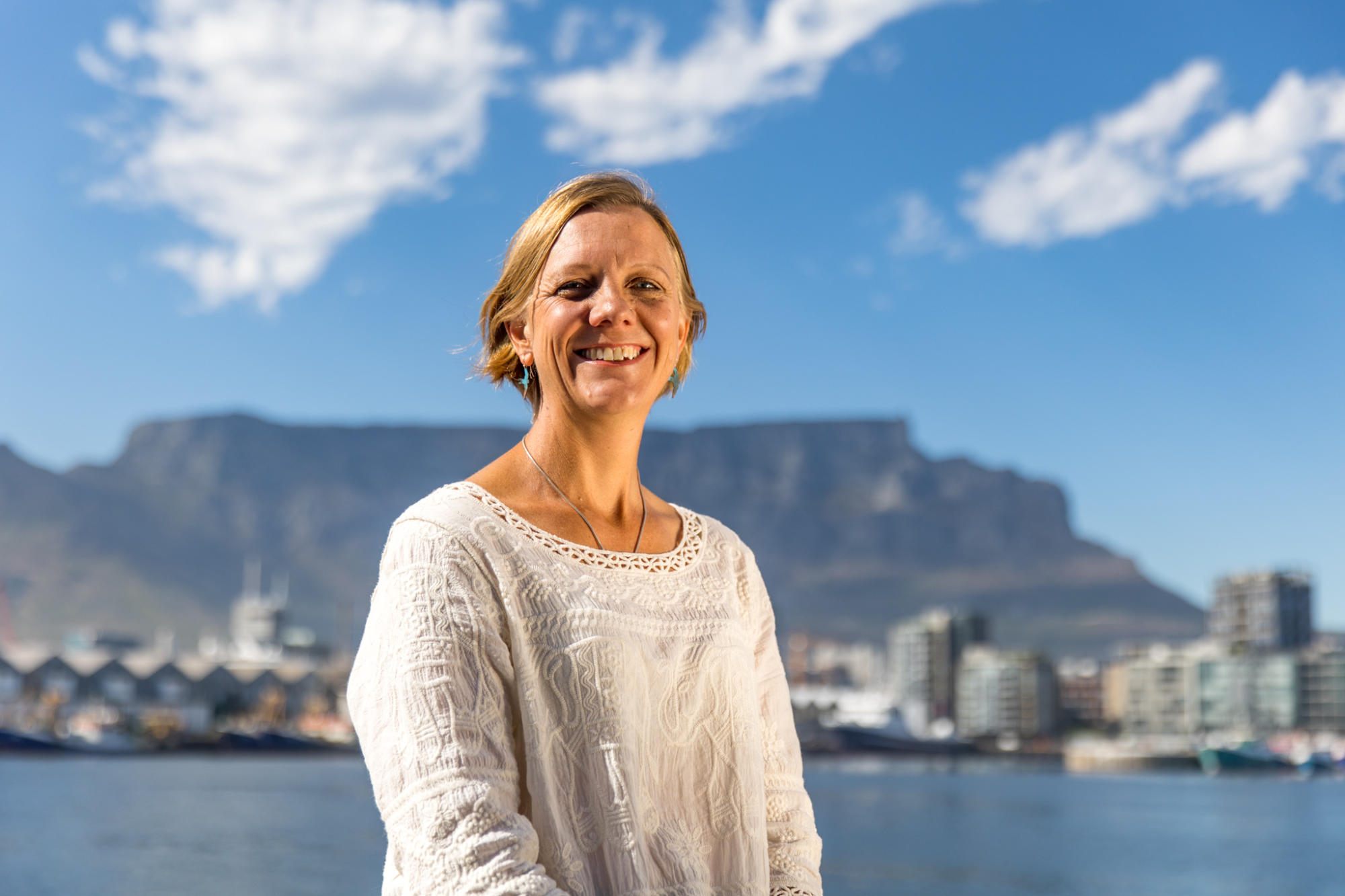
The CSIR’s Dr Sandy Thomalla has been selected as a lead author on the seventh assessment report of the Intergovernmental Panel on Climate Change. She joins fellow lead authors from across the globe in a four-year voluntary process to produce the world’s most influential and respected climate policy document. Thomalla will co-author a section on the science of Earth system changes, under Chapter Four of the first working group of the panel.
CSIR experts share their knowledge on the Southern Ocean in book on Antarctica
CSIR researchers at the CSIR have contributed to the book “Antarctica in the Earth System”, which highlights the vulnerability of polar regions. This publication serves as a valuable resource for educators, students of studying polar sciences, policymakers shaping climate strategies and researchers working to protect the fragile ecosystems of Antarctica and the Southern Ocean. Contributors from the CSIR-hosted Southern Ocean Carbon-Climate Observatory include Dr Sandy Thomalla and Dr Sarah Nicholson, alongside CSIR alumni Dr Precious Mongwe and Dr Pedro Monteiro. The team co-authored a chapter titled “The Southern Ocean Coupled Carbon and Climate Feedback Links to the Earth System: The Present – the Past – the Future.”
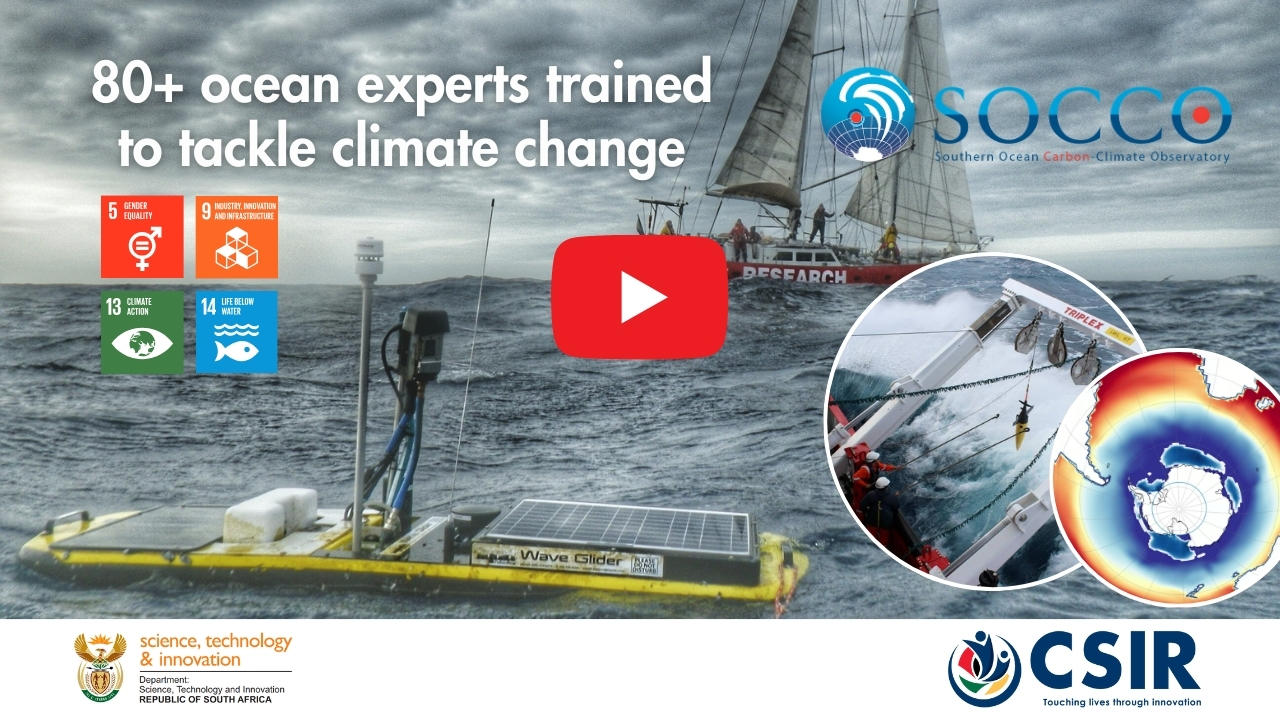
A new generation of ocean experts to tackle climate change
More than 80 ocean climate scientists, engineers and technicians have been trained in advanced robotics, modelling, satellite remote sensing, ocean chemistry and related fields, thanks to over a decade of investment in Southern Ocean climate research by the CSIR and the Department of Science, Technology and Innovation (DSTI). Watch video.
Our capabilities
Leveraging South Africa’s unique location bordering three oceans, the Southern Ocean Carbon-Climate Observatory (SOCCO) accesses critical data from a region central to Earth’s climate system. Our success is underpinned by extensive expertise in oceanographic research across multiple spheres and observational platforms, combined with advancements in high-resolution modelling, machine learning-driven data products and sensor-based technological innovations. This advanced, interdisciplinary approach to ocean-climate science plays a pivotal role in training the next generation of highly skilled scientists and informing effective adaptation and mitigation decisions. SOCCO aims to inform national and international policy frameworks, including the Intergovernmental Panel on Climate Change guidelines and Sustainable Development Goal targets, with a particular focus on carbon uptake, removal and climate resilience.
Our offerings
The Southern Ocean Carbon-Climate Observatory:
Produces long-term in situ observations, global machine learning-based observational products and in situ experiments , to advance understanding of ecosystem dynamics
Contributes to the development of the South African Earth System Model
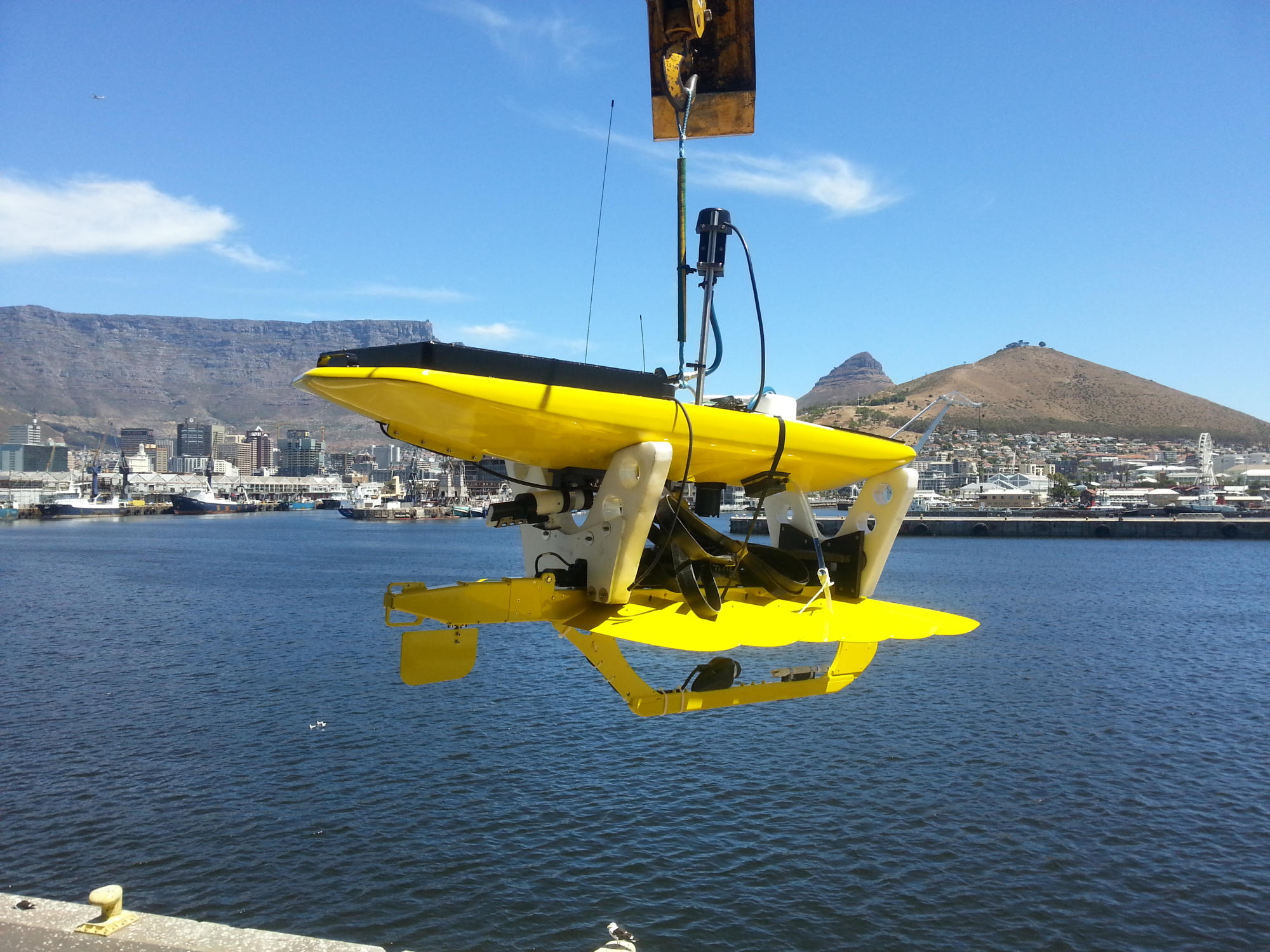
Provides continued technological leadership in ocean robotics, sensor development and commercialisation
Develops software tools, such as glider applications, to standardise the processing of glider data
Makes science-policy contributions at local and international levels on ocean and climate issues
Contributes to high-impact international publications
Undertakes human capital development to strengthen national science, engineering and technology capability
Supports the transition of PhD graduates into postdoctoral fellowships, enabling their absorption into government and the private sector