Coastal systems and Earth observation

Coastal systems and earth observation

We conduct research and provide consulting services to deliver science-based solutions for the optimal use and sustainable management of coastal and marine ecosystems, ensuring environmental, social and economic benefits for South Africa and beyond.
Image
People in a raft

Contact information:

Steven Weerts
Research Group Leader
@email

Cathy Maidi
Business Development and Commercialisation
@email

Highlights

Our capabilities

Coastal systems

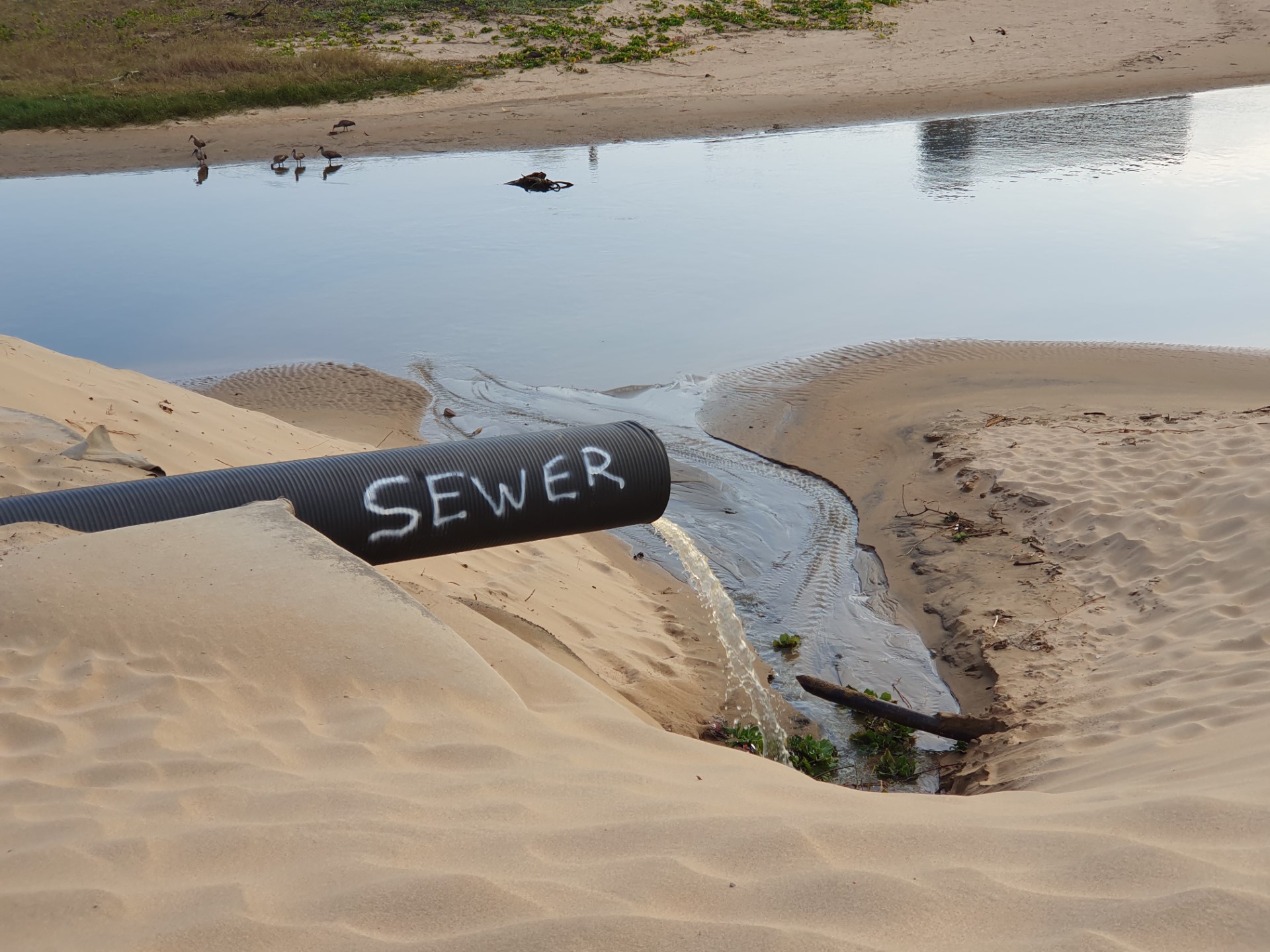
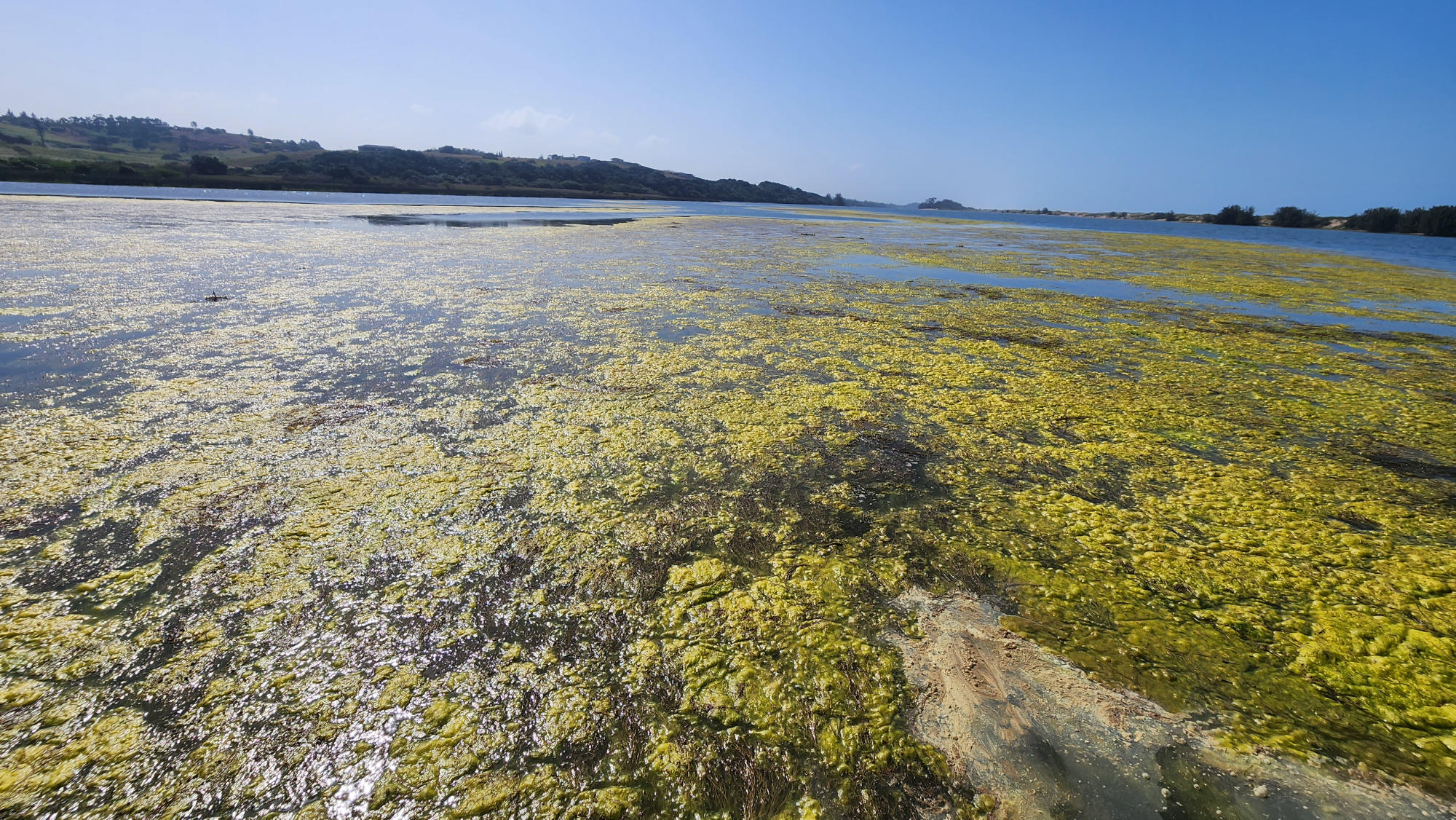
Pollution and waste

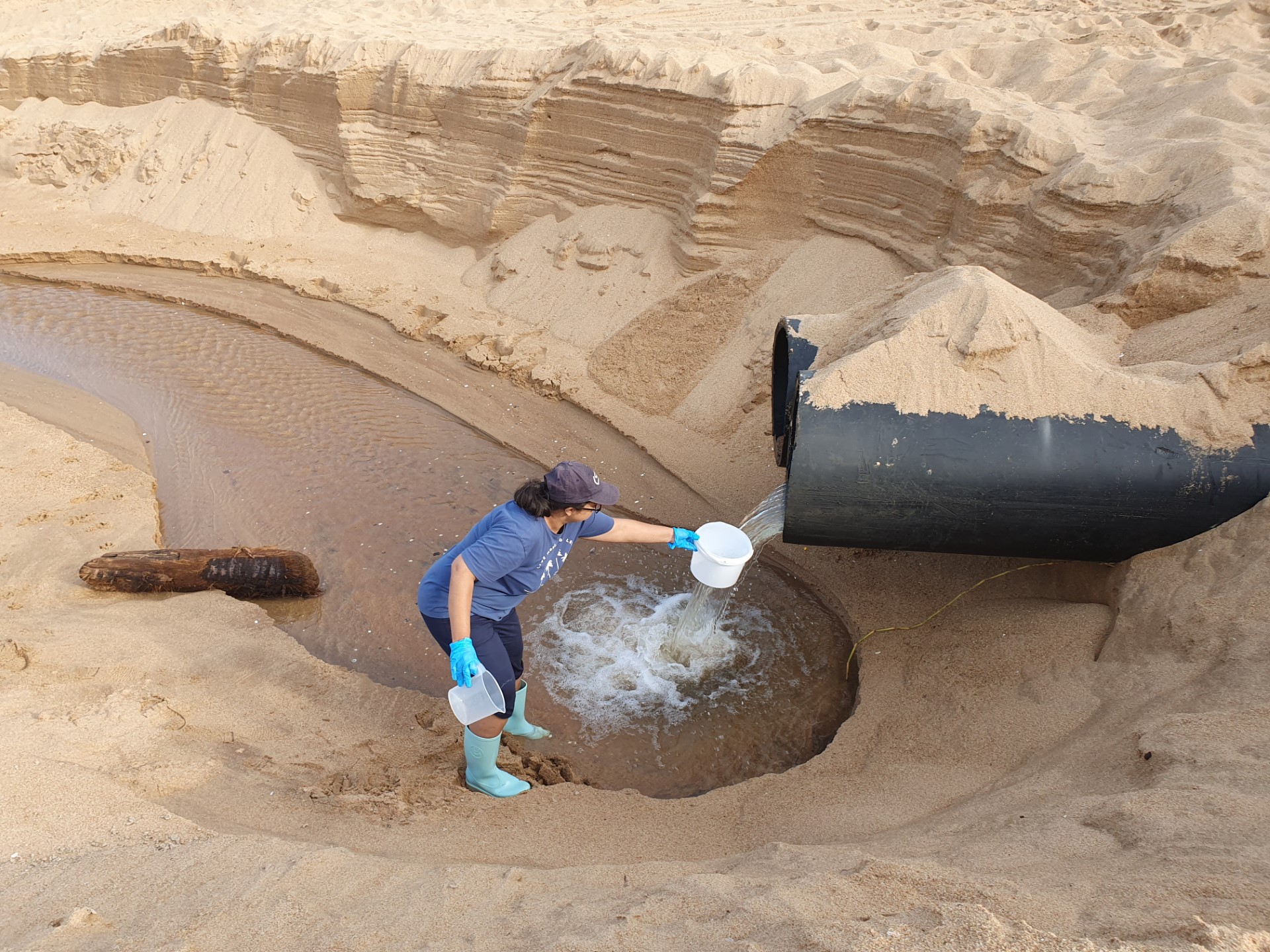
Monitoring, measuring and analysing pollution and its effect on coastal and marine ecosystems to inform management strategies for improved health and sustainability.

Environmental flows

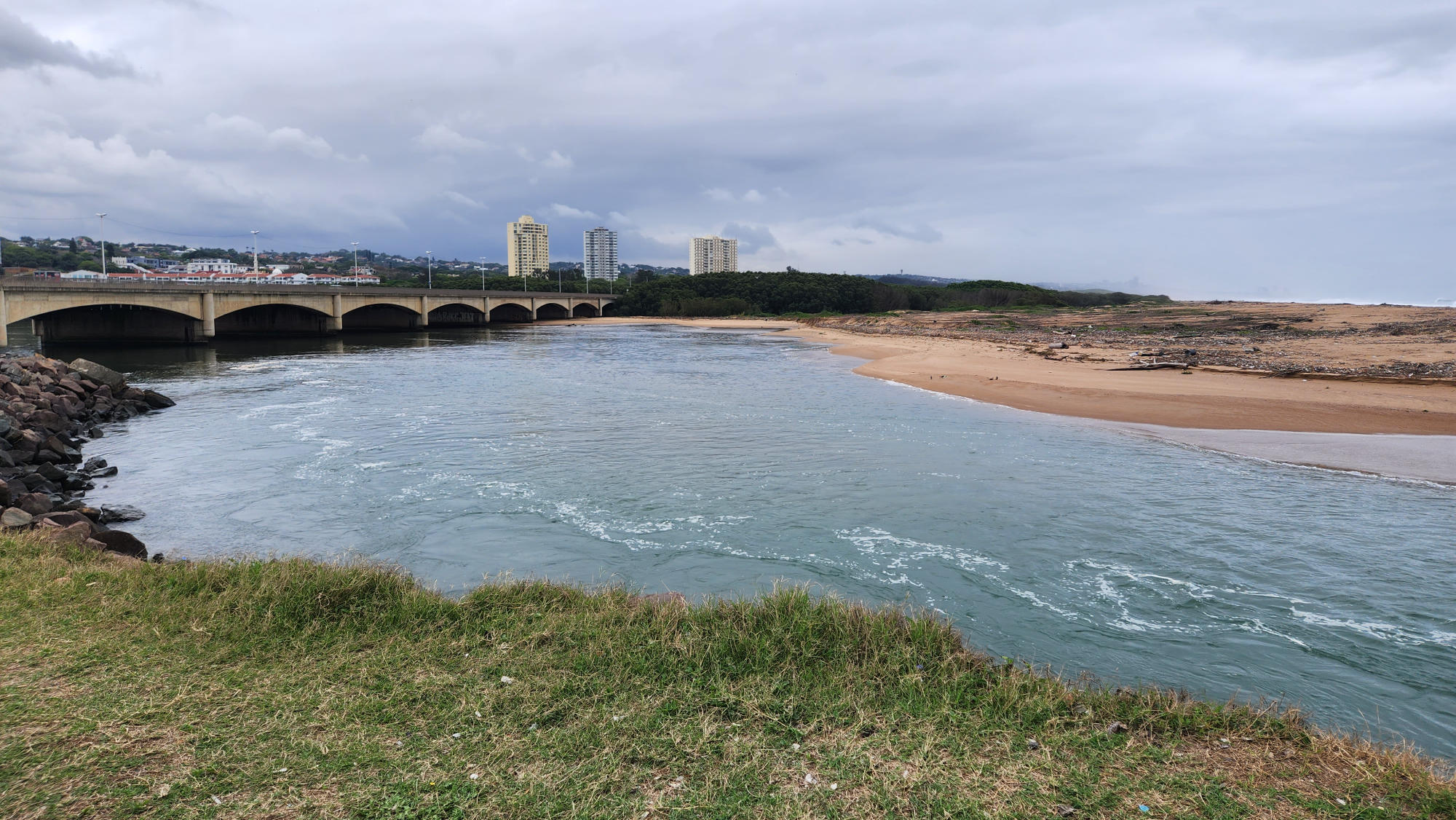
Evaluating estuarine flow requirements to maintain estuarine health and functionality.

Climate change

Examining and predicting the impacts of climate change on coastal and marine ecosystems and developing strategies for resilience and adaptation.

Environmental governance

Providing scientific support for effective policies and practices to ensure the sustainable use of coastal and marine resources.

Ecosystem rehabilitation and restoration

Identifying opportunities and approaches to restore degraded coastal and marine ecosystems to promote ecosystem services.

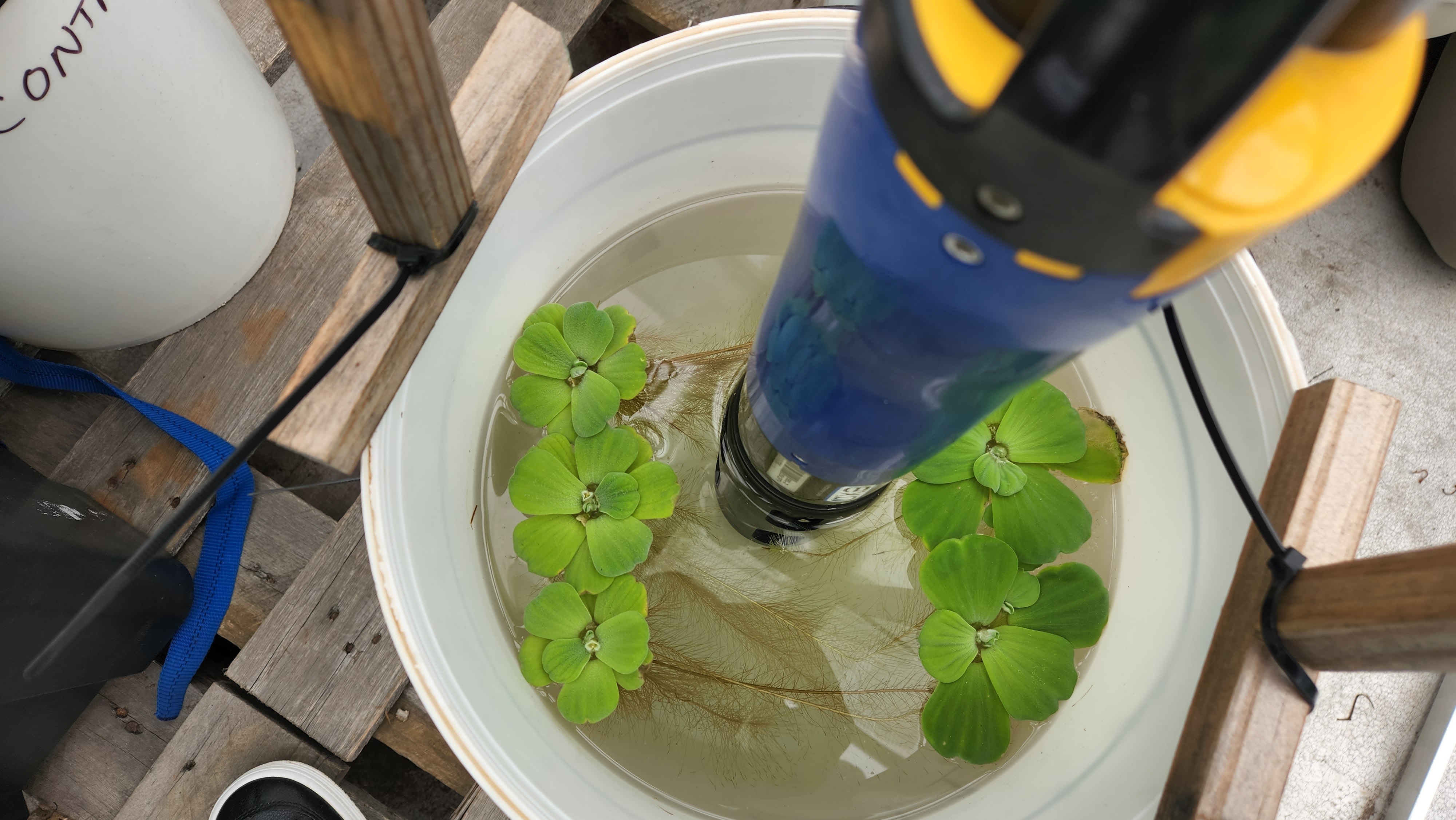
Hand holding a container with yellowish liquid

Earth observation

Sensor application development: Validating the performance of satellite sensors in aquatic environments.

Developing algorithms: Development algorithms for satellite-derived freshwater, coastal and marine indicators.

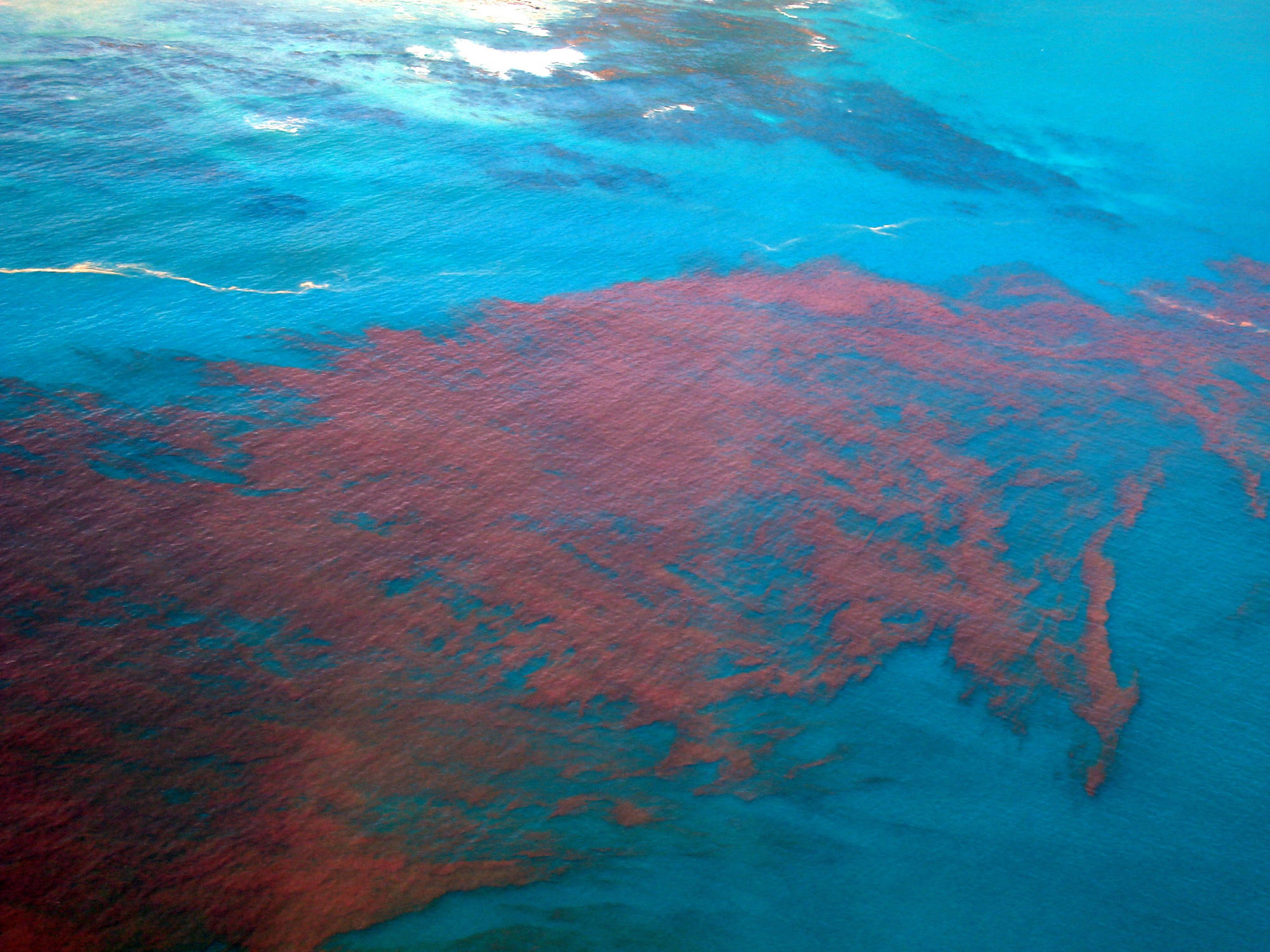
Model validation: Creating algorithms to identify phytoplankton types and harmful algal blooms.

Freshwater ecosystem analysis: Using geographical information systems and remote sensing to monitor freshwater biodiversity and water quality.

Our research

Some of our ongoing and past projects are outlined below
State of coast and pollution monitoring

Regional and national pollution status reporting and development of long-term monitoring protocols for Western Indian Ocean countries.

National guidance on disposal of land-based wastewater to marine environment

This national protocol was developed in 2004 for the Department of Water Affairs and later revised into the National Guideline for Coastal Effluent Discharges in 2014.

Marine outfall discharge impact monitoring

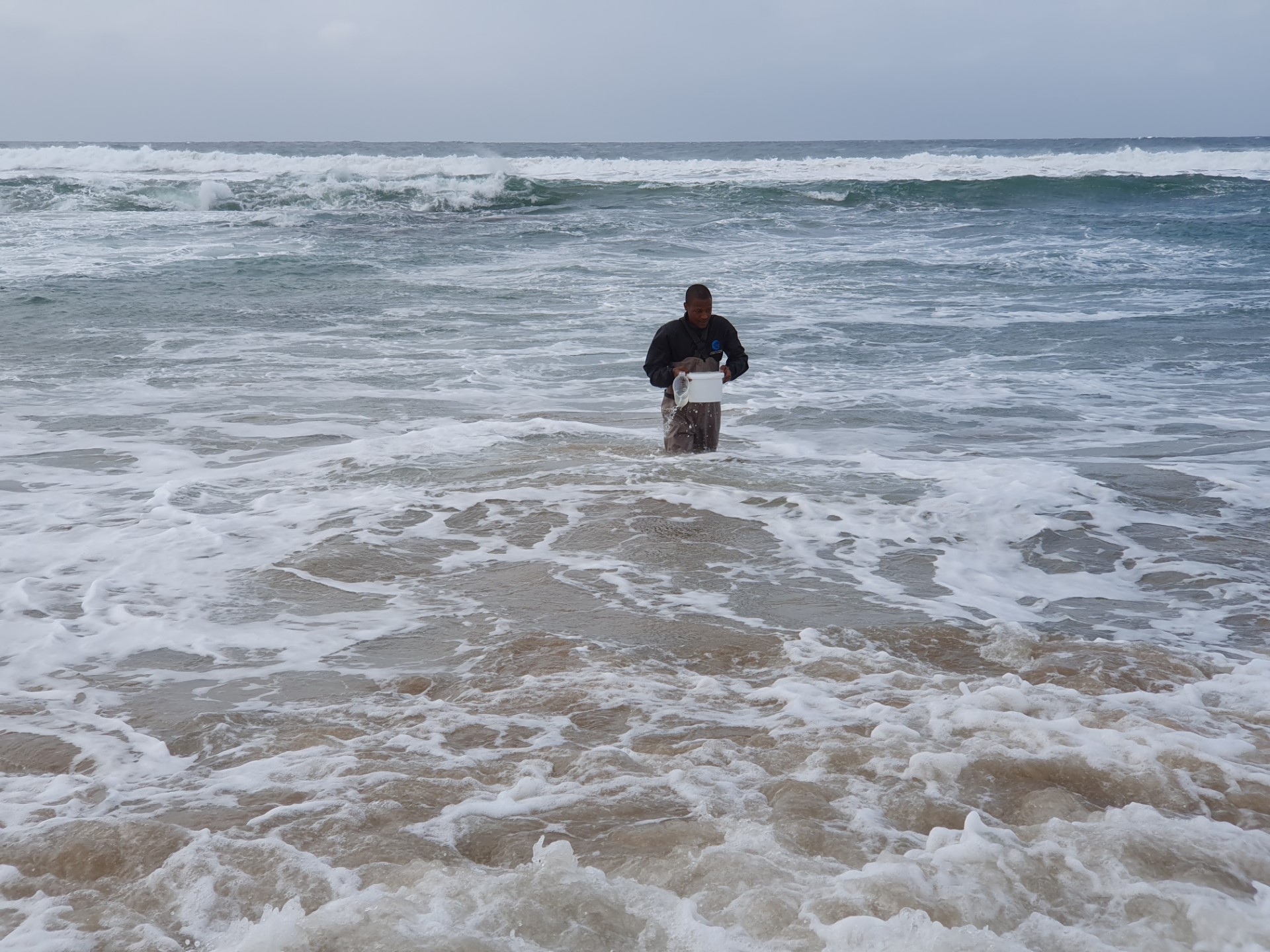
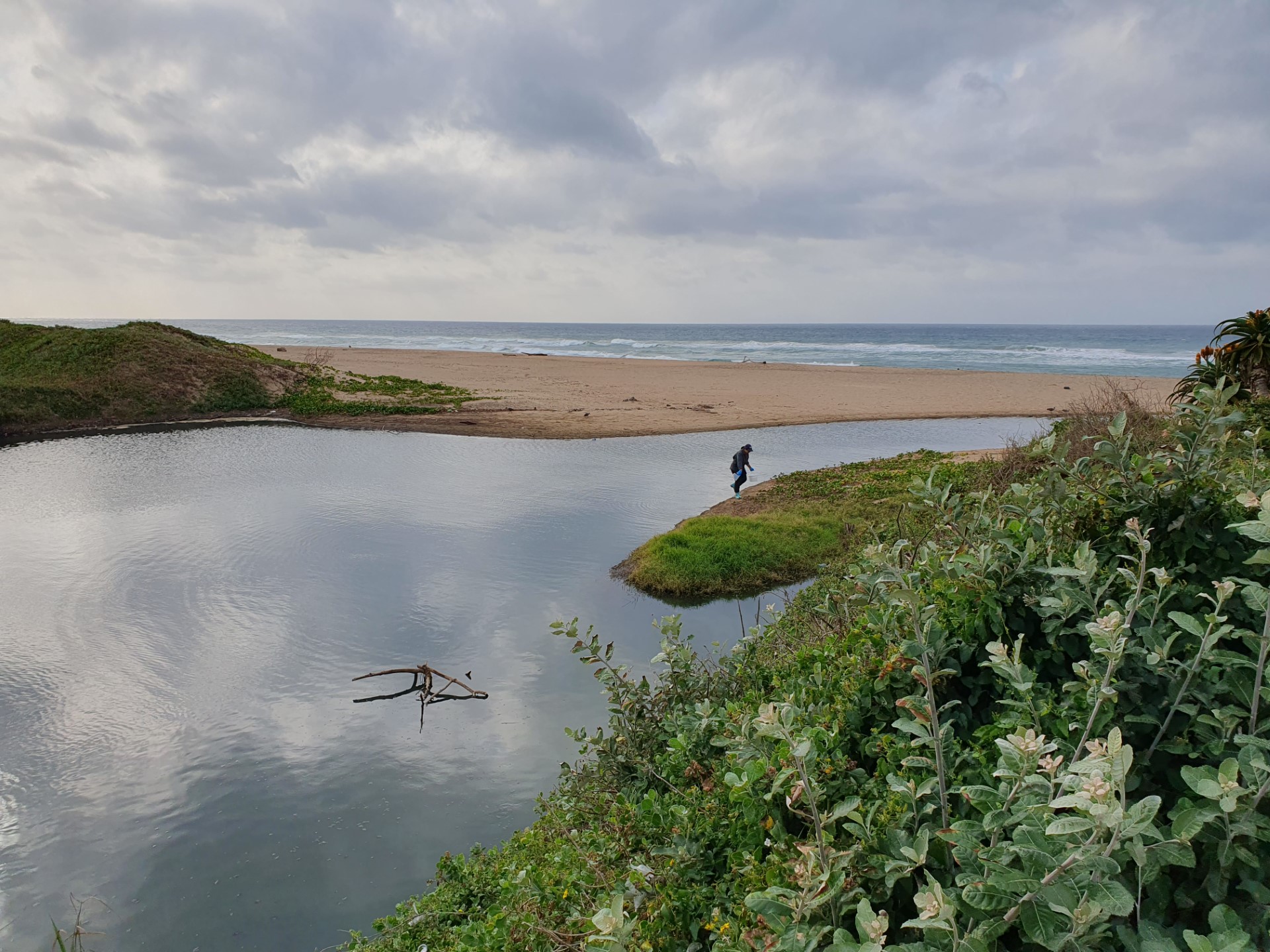
Surveys of wastewater and seawater desalination brine discharges into coastal ecosystems. Clients include the eThekwini Municipality (Durban), Cape Town Municipality, uMngeni-uThukela Water (formerly, Mhlathuze Water, (Richards Bay), Sappi Saiccor (Umkomaas). Illovo Downstream Products (Sezela), Astron (Cape Town) and, PetroSA (Vleesbaai).

Mussel watch

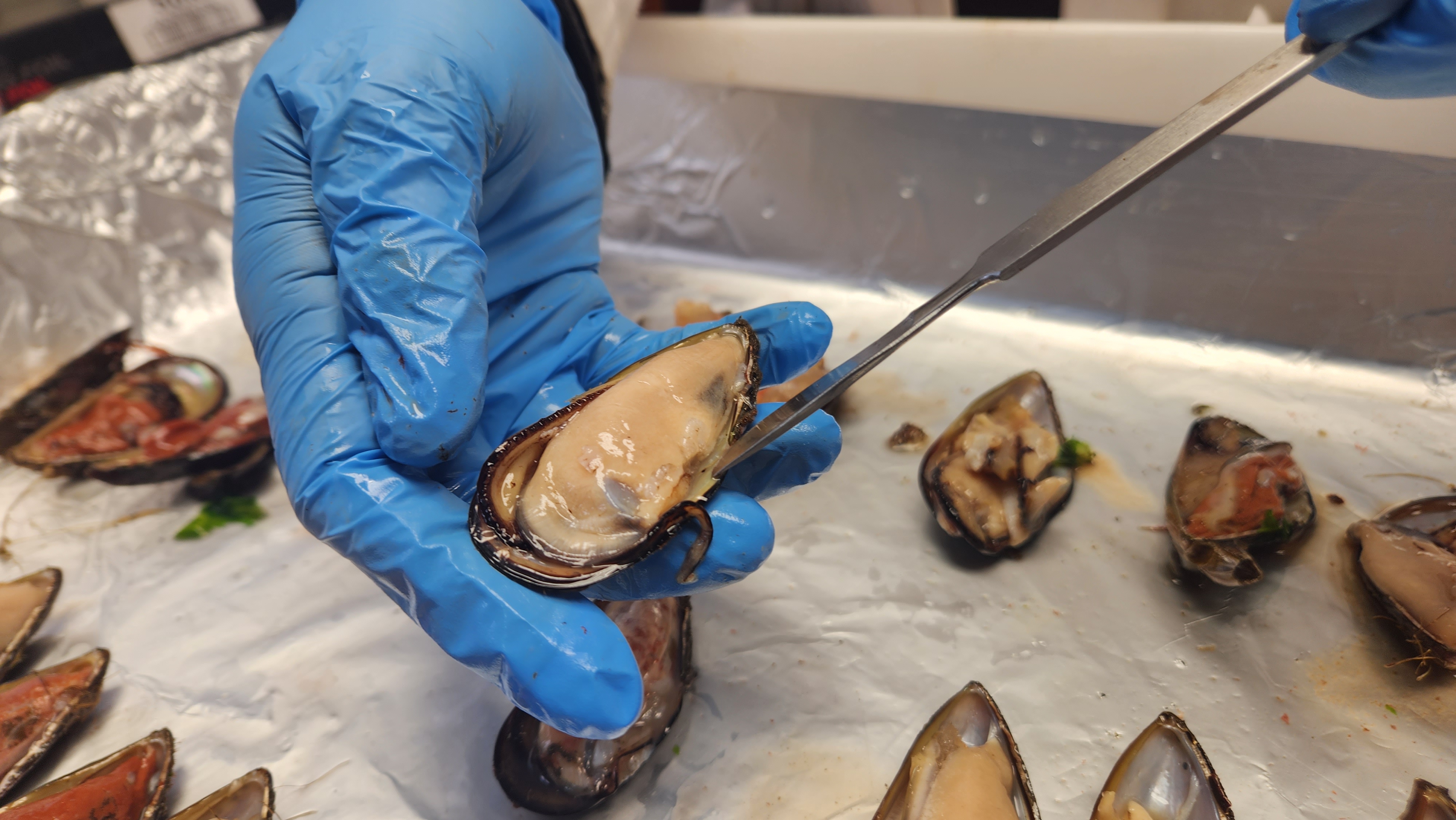
Water quality and human health risk monitoring using mussels as bioindicators in coastal and port environments, including transplant studies.

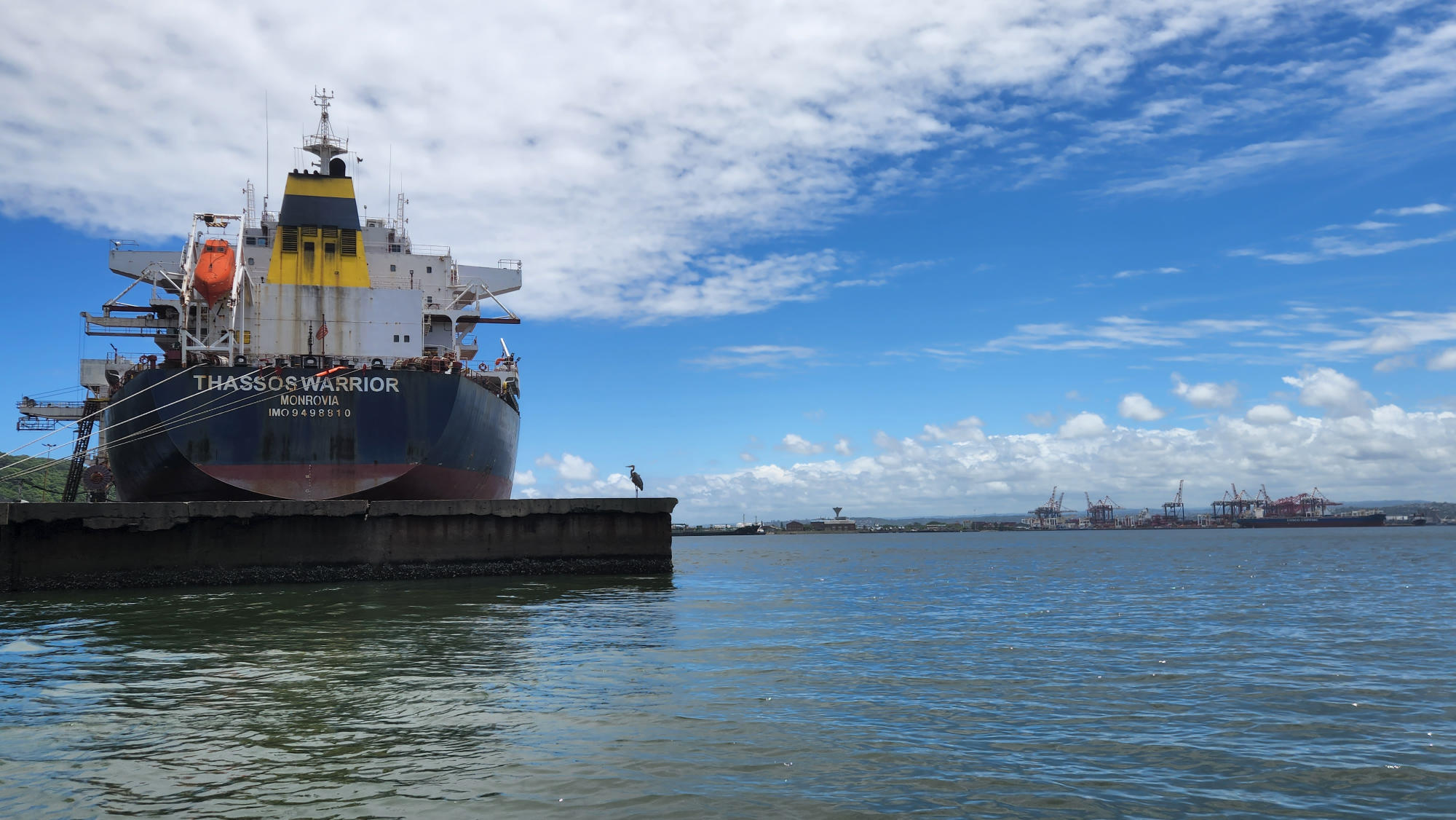
Port environmental health monitoring

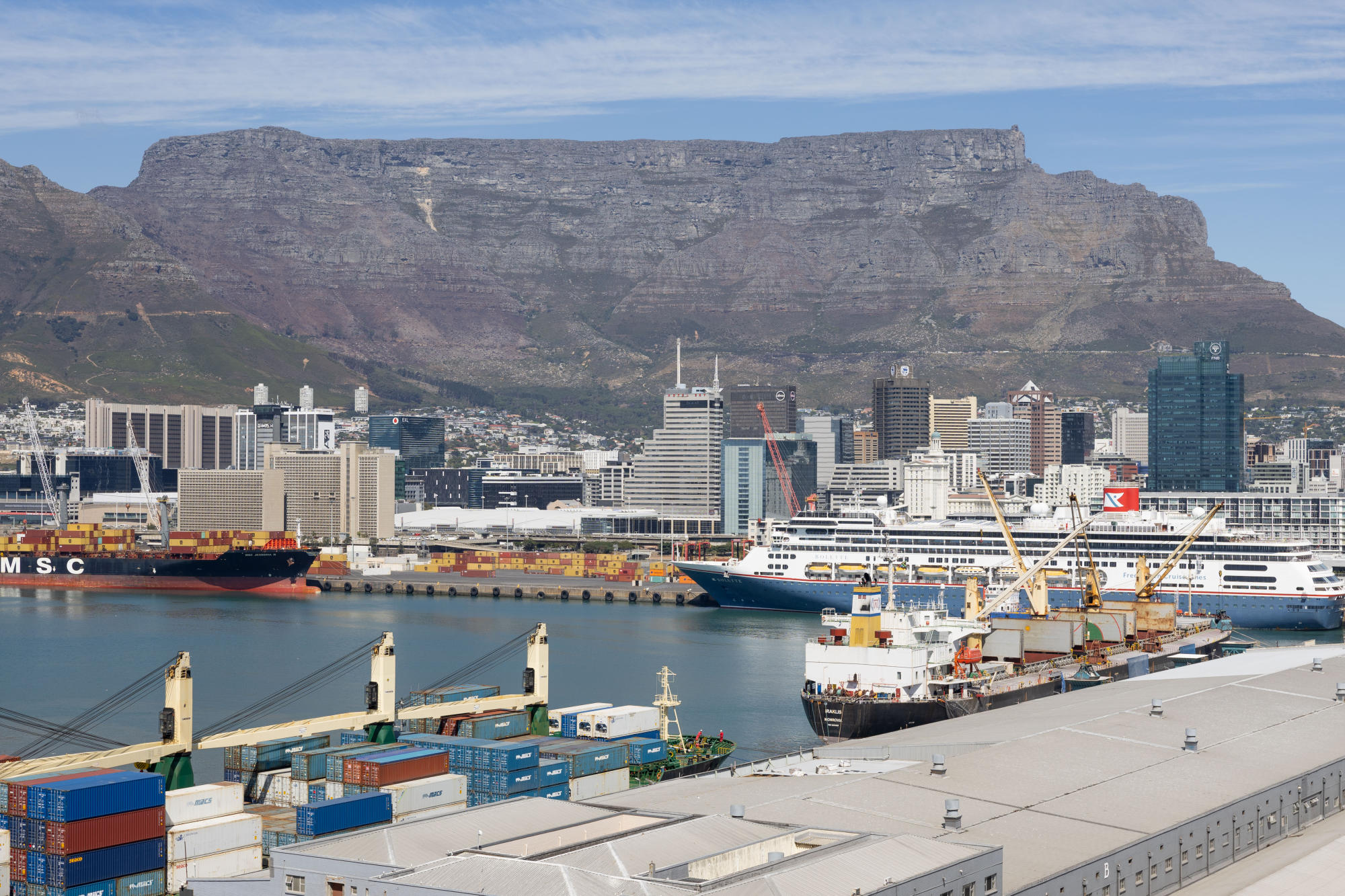
Assessment of water and sediment quality, biological community health and shellfish and fish bioaccumulation in ports.

Sustainable port planning

The Green Port Toolkit supports blue economic development and port sustainability monitoring.

Dredging surveys and monitoring

Sediment quality surveys for dredged material disposal permitting and, dredging and disposal environmental impact monitoring.

Estuarine freshwater flow requirements

The CSIR in developed protocols for evaluating the freshwater flow requirements of estuaries.

Estuarine management plans

The CSIR was instrumental in developing protocols for estuarine management plans for various clients.

National Biodiversity Assessment

The National Biodiversity Assessment is South Africa's leading tool for monitoring and reporting on the state of biodiversity. It informs national policies, strategies and actions to improve biodiversity conservation and management across various sectors.

Environmental quality guideline development

Studies on pharmaceuticals and personal care products, perfluorinated compounds ‘forever chemicals’, flame retardants and microplastics in coastal ecosystems.

Contaminants of emerging concern

Studies on pharmaceuticals and personal care products, perfluorinated compounds (‘forever chemicals’), flame retardants and microplastics in coastal ecosystems.

Environmental impact assessment studies

Estuarine and marine ecology specialist studies and impact assessments.

Marine and Coastal Operations for Southern Africa and the Indian Ocean

Led by the CSIR, the Marine and Coastal Operations for Southern Africa and the Indian Ocean project represents 12 organisations across eight coastal countries and Island states from Angola to Kenya. It supports policy development, capacity building and sustainable socioeconomic development by enhancing local institutional, human and technical capacities in the use of satellite-derived marine and coastal information.

National Oceans and Coastal Information Management

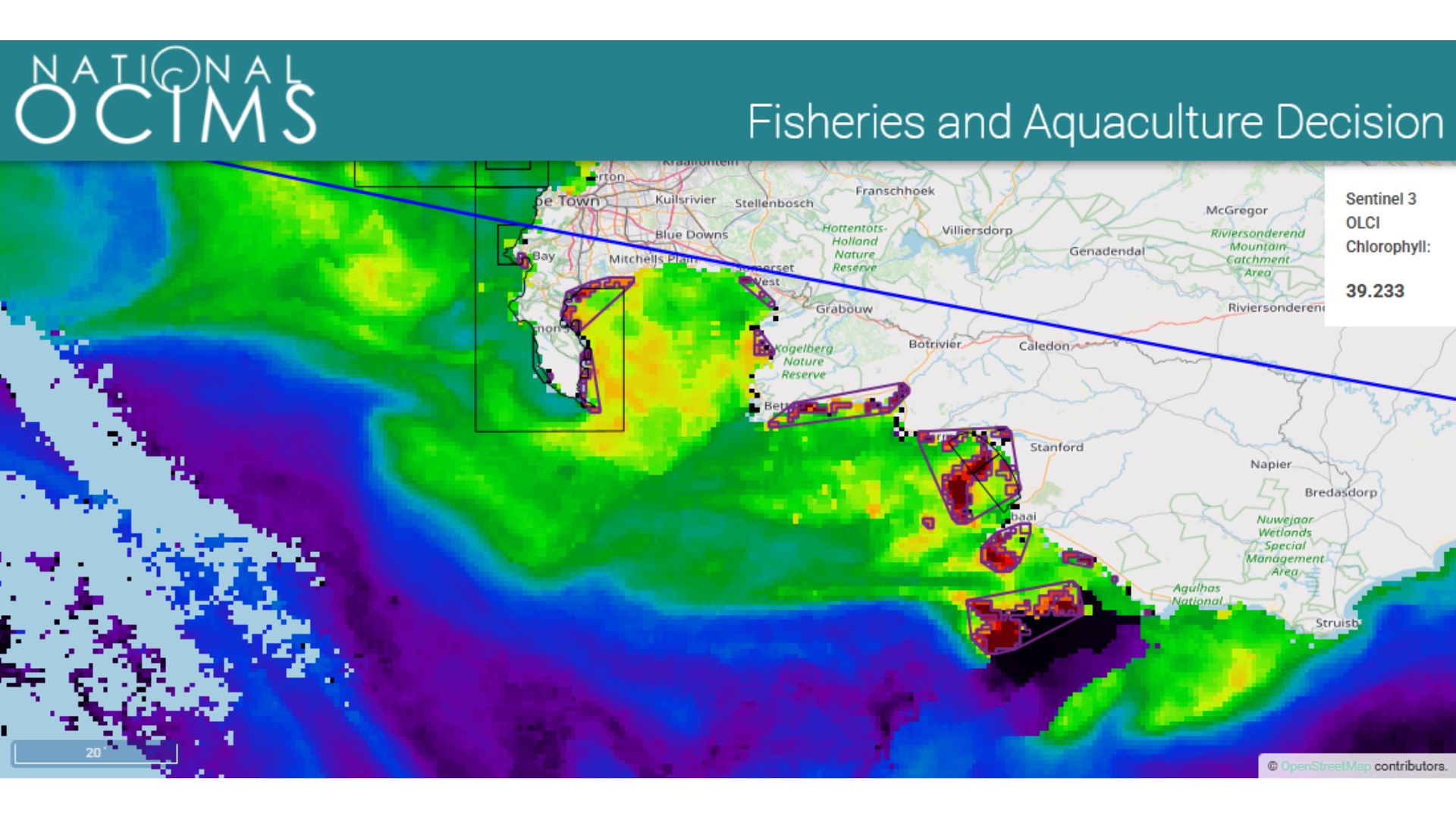
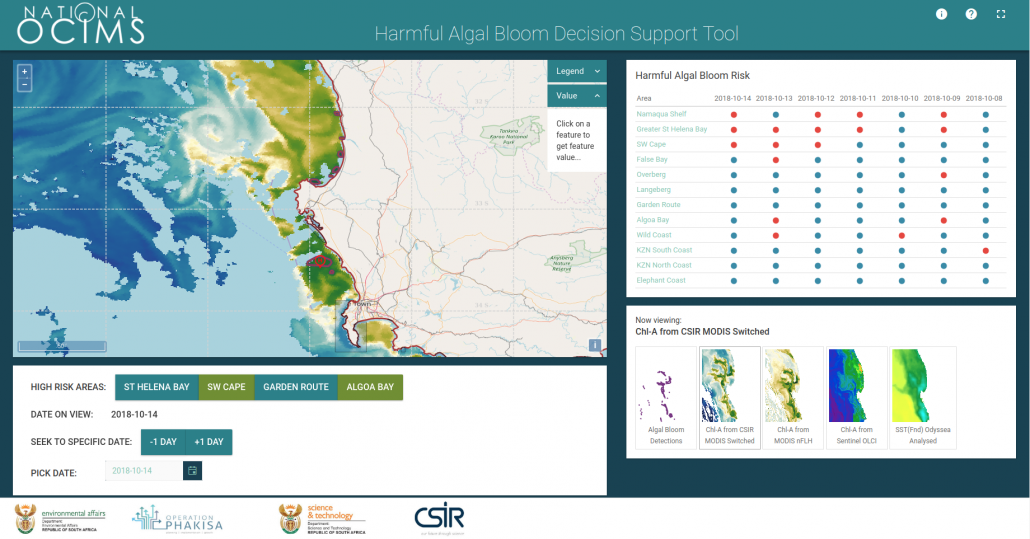
Developed through Operation Phakisa in partnership with the CSIR, the Department of Forestry, Fisheries and the Environment, South African Environmental Observation Network and South African Weather Service, OCIMS enhances earth observation capabilities to promote sustainable management and unlock the economic potential of South Africa’s marine resources.

All Atlantic Ocean Sustainable, Profitable and Resilient Aquaculture

The All Atlantic Ocean Sustainable, Profitable and Resilient Aquaculture project – is a European Union Horizon 2020 collaborative project – focuses on integrated multi-trophic aquaculture farming to define, support and promote this type of aquaculture production in the Atlantic area. The project applies new technologies to monitor environmental risks and support best practices towards zero waste.

Primary-Productivity in Upwelling Systems

This international multidisciplinary project aims to advance understanding of the link between net primary production and wind-forced upwelling in Atlantic Eastern Boundary Upwelling Systems. It combines Earth observation data obtained from satellite remote sensing, with climate indices, in-situ data and ocean circulation modelling.

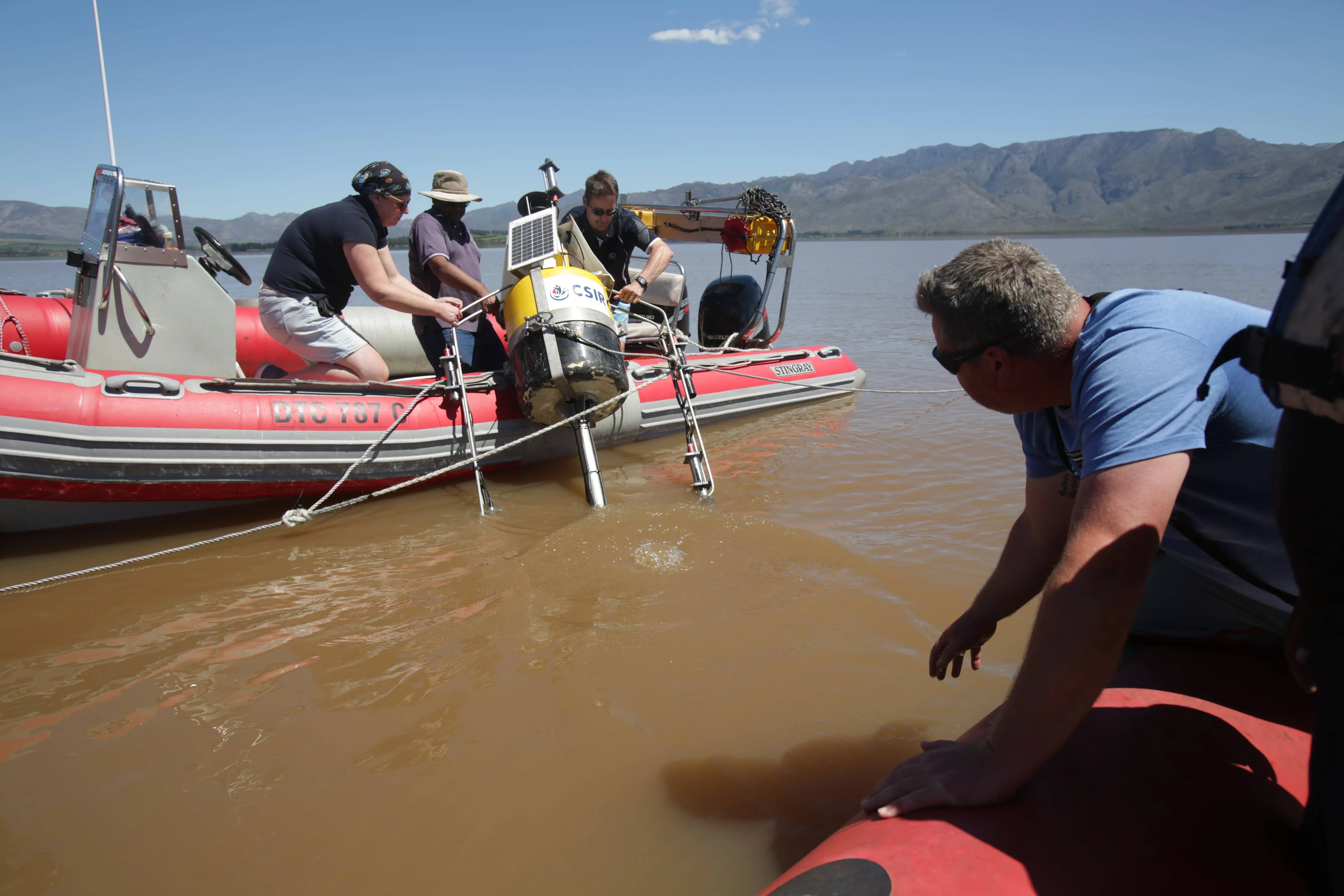
Sentinel-2 user-relevant water quality monitoring in Small Southern African Water Bodies

This project uses high resolution Sentinel-2 satellite imagery to monitor water quality in small inland water bodies in the Western Cape, South Africa.

Our facilities

Environmental chemistry laboratory

Our SANAS-accredited environmental chemistry laboratory provides comprehensive environmental sample testing capabilities.

Environmental ecotoxicology laboratory

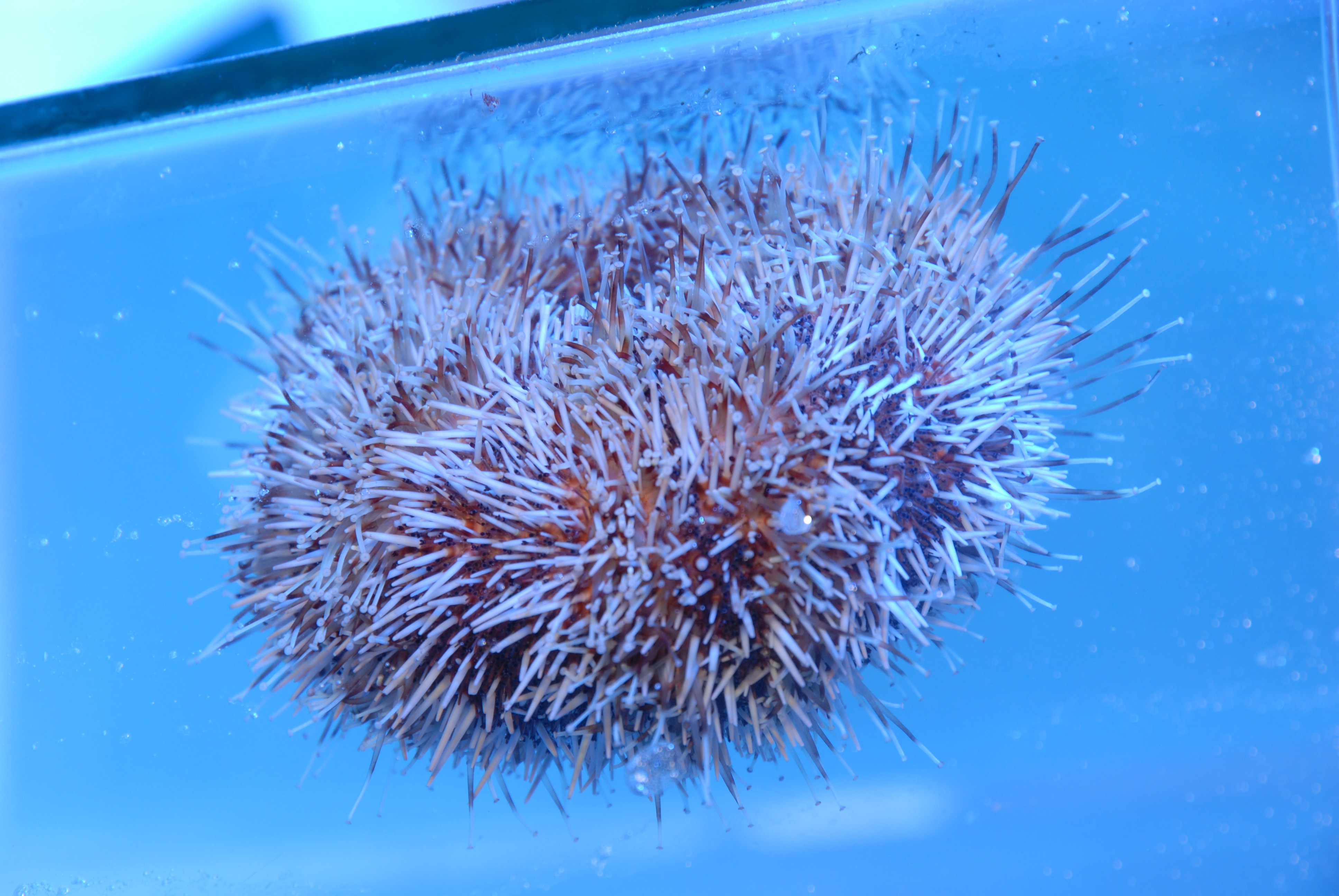
Our environmental ecotoxicology laboratory performs toxicity testing on wastewater, water and sediment using a range of tests that include sea urchin fertilisation testing, sea urchin embryo-larval testing and amphipod survival testing.

Field surveys and monitoring

We perform field surveys in coastal and marine ecosystems to assess ecological health and environmental impacts in support of sustainable management. This includes:

  • Various in situ water quality monitoring instruments capable of measurements at depths of up to 80m;

  • Moored monitoring instruments for continuous long-term measurement of water quality, waves and currents;

  • Sediment grabs of various types and sizes for shallow and deep- water deployment;

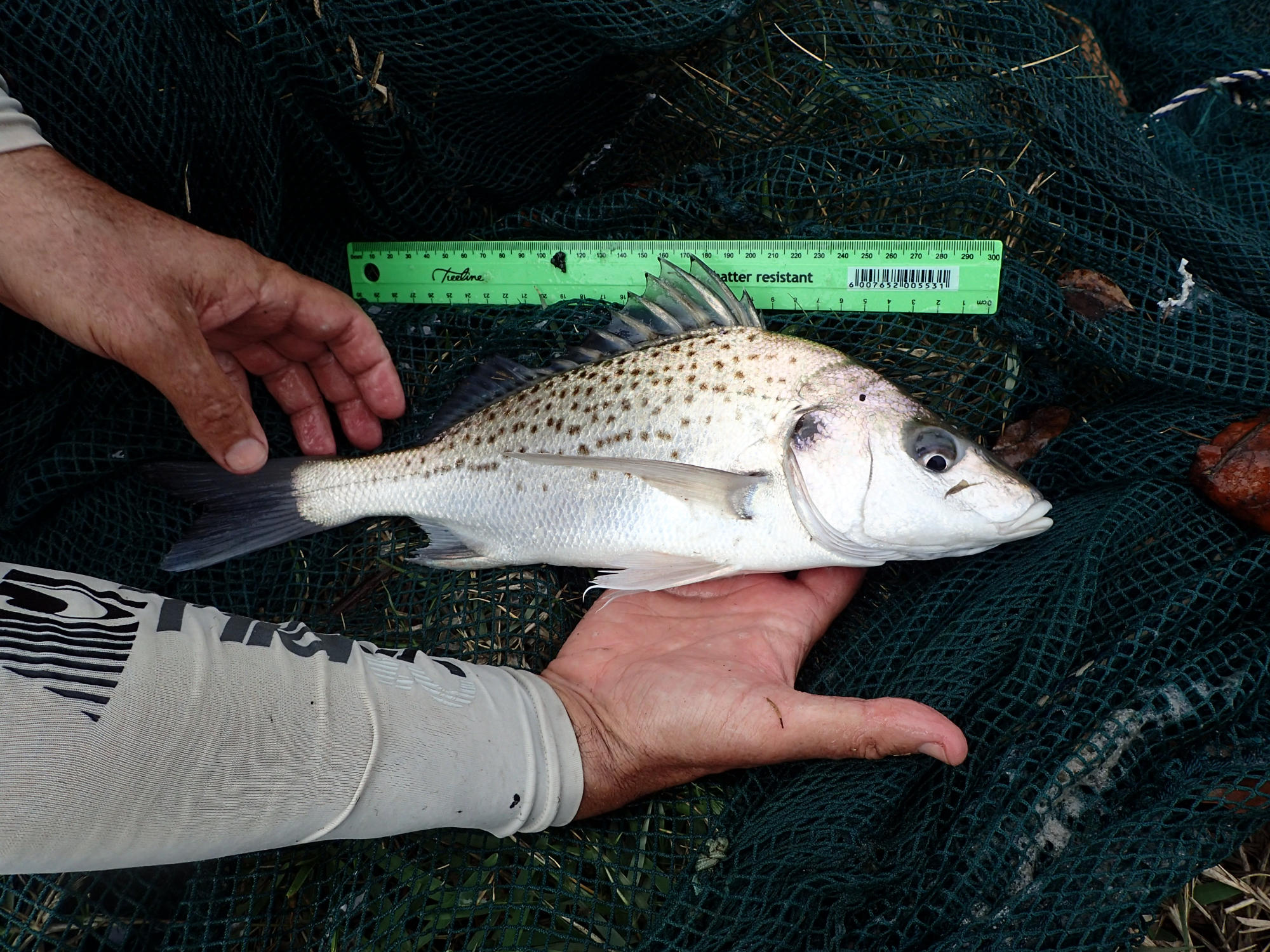
  • Fish survey gear, including beam and otter trawls, seine and fyke nets;

  • Phytoplankton and zooplankton nets; and

  • Survey vessels.

Resources

Long-term sustainability is imperative for ports – they are increasingly held responsible for wider ecosystem services. The CSIR plays an instrumental role in environmental impact assessments that can guide port expansions and development. Watch here.

A new tool assists abalone farmers along South Africa’s coast to use ocean colour maps to track marine algal blooms that could harm their export molluscs. Watch here.